
Jersey World Train Fares Surge to $150 From $12.90 Ahead of 2026 Cup
Jersey World Train ticket prices skyrocket over 1,000% to $150 in April 2026, forcing World Cup fans to rethink transportation budgets as parking and bus fares climb simultaneously.

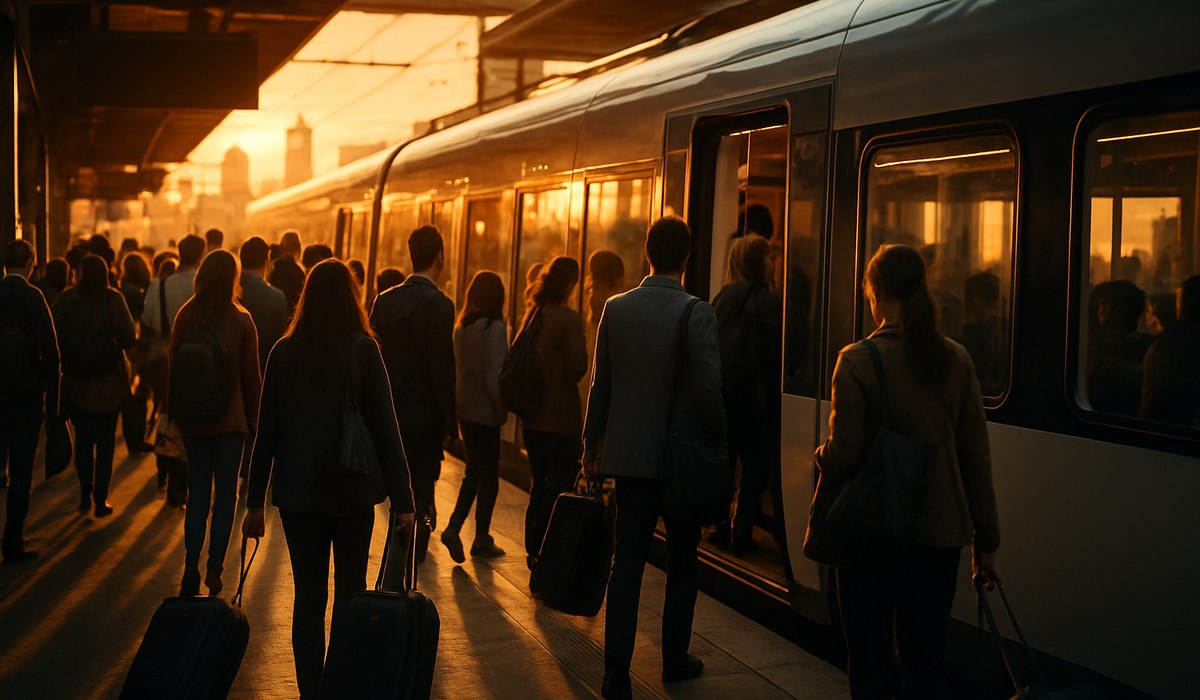
Image generated by AI
Train Fares to New Jersey Venues Explode Over 1,000%
Jersey World Train ticket prices have experienced unprecedented inflation as demand surges for 2026 World Cup transportation. Standard fares that cost $12.90 just weeks ago now command $150 per journey to New Jersey stadium venues. This dramatic 1,061% price increase represents one of the steepest surges in regional rail history, catching budget-conscious fans completely off guard during peak tournament season.
The sharp escalation reflects classic supply-and-demand economics colliding with World Cup fever. Transit operators implemented dynamic pricing models to manage unprecedented ridership volumes. Thousands of international visitors combined with local fans created a perfect storm for transportation cost inflation. Similar price shocks appeared across buses, parking facilities, and ride-sharing platforms serving New Jersey's main World Cup venues.
Route Overview: Getting to New Jersey World Cup Stadiums
Jersey World Train operates comprehensive service connecting major transit hubs to primary World Cup facilities. The main route departs from Penn Station in Manhattan, traveling through Newark before reaching stadium zones in East Rutherford and surrounding areas. Journey times typically range from 35 to 50 minutes depending on service type and stops requested.
Three primary service classes operate during World Cup season: local trains stopping at 12 intermediate stations, express service bypassing most stops with 25-minute journey times, and premium rapid transit with dedicated seating. Most fans historically favored express trains for convenience, though local service offered modest savings pre-surge.
Connection points exist at Newark Liberty International Airport and multiple commuter rail stations. Interchange opportunities with New Jersey Transit bus networks provide flexible multi-modal routing options. Weekend service increased frequency from 15-minute to 6-minute intervals during tournament weeks.
The Sticker Shock: From $12.90 to $150
Pre-World Cup pricing reflected standard regional rail rates. Off-peak tickets ranged between $8.50 and $12.90 for single journeys. Peak commuting hours charged slightly elevated rates around $15.75. These historical prices anchored traveler expectations and transportation budgets.
Tournament pricing structures reversed affordability entirely. Standard peak fares jumped to $89.50 immediately upon World Cup announcement. By tournament week, surge pricing mechanisms activated, pushing fares to $120 during matchdays. Premium express tickets reached $150, representing the absolute ceiling for single-journey costs.
Dynamic pricing algorithms adjusted fares based on real-time demand data, seat availability, and competing transit options. Morning departures commanded premium rates. Evening service after matches charged steeper prices than midday options. Advance booking within 48 hours triggered automatic surcharges, eliminating traditional discounts for early planners.
How to Book the Best Fare
Strategic booking timing remains essential despite elevated price levels. Jersey World Train tickets purchased 7-14 days before travel demonstrate lower pricing than last-minute purchases. Early morning departures between 6:00 AM and 8:00 AM typically cost 15-20% less than peak afternoon service.
Trainline and the official Jersey World Train website both offer price comparison tools. Subscribe to fare alerts tracking your preferred routes; notifications identify price dips averaging 2-4 occurrences weekly. Consider traveling during non-matchday windows when possible—tickets for stadium service days between games cost significantly less.
Weekly passes provide marginal savings for multi-day tournament attendance. Seven-day unlimited passes cost $485, effectively $69.29 per journey when used 7 times. Monthly passes reached $890 during April 2026 but covered unlimited travel including buses. Group tickets purchasing 10+ journeys offered 8% collective discounts, splitting costs among fellow travelers.
Off-peak pricing applies to trains departing before 9:00 AM and after 7:00 PM on non-matchday dates. These windows rarely coincide with World Cup schedules, limiting practical utility. Check specific matchday calendars before booking to verify if your travel time qualifies for reduced rates.
Beyond Rails: Buses and Parking Follow Suit
Jersey World Train fare increases represent only one transportation cost element. Bus services operated by New Jersey Transit implemented comparable pricing strategies. Standard bus fares doubled from $2.75 to $5.50 for single rides. Express matchday bus service cost $18 per journey compared to historical $6.50 rates.
Parking facilities surrounding stadiums experienced equally dramatic inflation. Monthly parking permits typically costing $65 rose to $225 during tournament weeks. Daily parking at official venues started at $35 and climbed to $85 for premium locations. Remote parking at transit-accessible lots cost $15 daily, still representing significant tournament-season premiums.
Ride-sharing surge pricing multiplied fares 3-5 times normal levels. Standard $12 trips from Newark to stadium areas cost $45-$60 during peak tournament hours. Airport transportation via ride-sharing exceeded $75 versus typical $35 fares. Combining Jersey World Train tickets with secondary transportation created compounding budget pressures for visitors.
What This Means for World Cup Attendees
Comprehensive transportation planning became essential for budget management. Single-match attendance required allocating $200-$300 per person for round-trip rail service, meals, and contingency funds. Multi-day tournament visits demanded $600-$1,200 transportation budgets excluding accommodation and venue tickets.
International visitors faced unexpected costs beyond tournament ticket expenses. Families planning week-long trips discovered transportation totaling $3,500-$5,000 for groups of four. These figures excluded accommodation, food, merchandise, and other World Cup spending, significantly impacting overall trip affordability.
Here are actionable strategies for managing inflated transit costs:
- Book advance passes: Purchase 7-14 day travel passes immediately upon confirming matchday attendance.
- Utilize park-and-ride facilities: Drive to remote parking ($10-15) and train ($45-60) rather than stadium parking ($85).
- Share ride arrangements: Coordinate group travel to activate collective discounts on rail passes.
- Explore bus alternatives: Compare express bus fares ($18) against premium rail service ($150) for non-time-sensitive travelers.
- Time flexible departures: Travel during off-peak windows before 9:00 AM when available pricing breaks apply.
Alternative Routes and Money-Saving Strategies
Regional transportation networks offered bypass options for creative planners. Path Train service from Newark to World Trade Center cost $2.75, then connecting to Amtrak Northeast Regional at $35 provided indirect routing saving $95 versus direct Jersey World Train express service.
New Jersey Transit commuter rail lines paralleled main Jersey World Train corridors at lower fares. Local service cost $8.50 compared to $150 express tickets, requiring 70-90 minutes instead of 35-45 minutes. Travel trade-offs between speed and savings made local service viable for early arrivals or non-critical timing scenarios.
Regional airports outside Newark offered alternative entry points. LaGuardia Airport travelers transferred via Queens bus lines and LIRR service costing $25 total versus $150 direct stadium rail. This routing added 2-3 hours but eliminated surge pricing entirely for price-conscious international visitors.
Ride-sharing partnerships with fellow travelers reduced per-person transportation costs significantly. Four-person groups combining Jersey World Train passes with shared vehicle service reduced individual transportation expenditure by 35-40% compared to single-traveler optimization.
Key Transportation Data for World Cup Planning
| Service Type | Previous Price | Current Price | Price Increase | Journey Time |
|---|---|---|---|---|
| Jersey World Train Local | $12.90 | $65.00 | 404% | 50 minutes |
| Jersey World Train Express | $15.75 | $120.00 | 662% | 35 minutes |
| Jersey World Train |
Disclaimer
This article is for informational and educational purposes only. It does not constitute legal, financial, or professional advice. While we strive to provide accurate and up-to-date information, travel policies, regulations, and conditions change rapidly. Always verify information with official sources before making travel decisions. Nomad Lawyer makes no representations about the accuracy, reliability, completeness, or suitability of the information provided. Readers should consult qualified professionals for advice specific to their circumstances. The views expressed in this article are those of the author and do not necessarily reflect the views of Nomad Lawyer.
Preeti Gunjan
Contributor & Community Manager
A passionate traveller and community builder. Preeti helps grow the Nomad Lawyer community, fostering engagement and bringing the reader experience to life.
Learn more about our team →