
Jeju Air Temporarily Increases Hiroshima to Seoul Flights for October
Jeju Air increases its flight schedule between Hiroshima and Seoul Incheon to 18 round trips per week from October 1 to October 12, 2026.

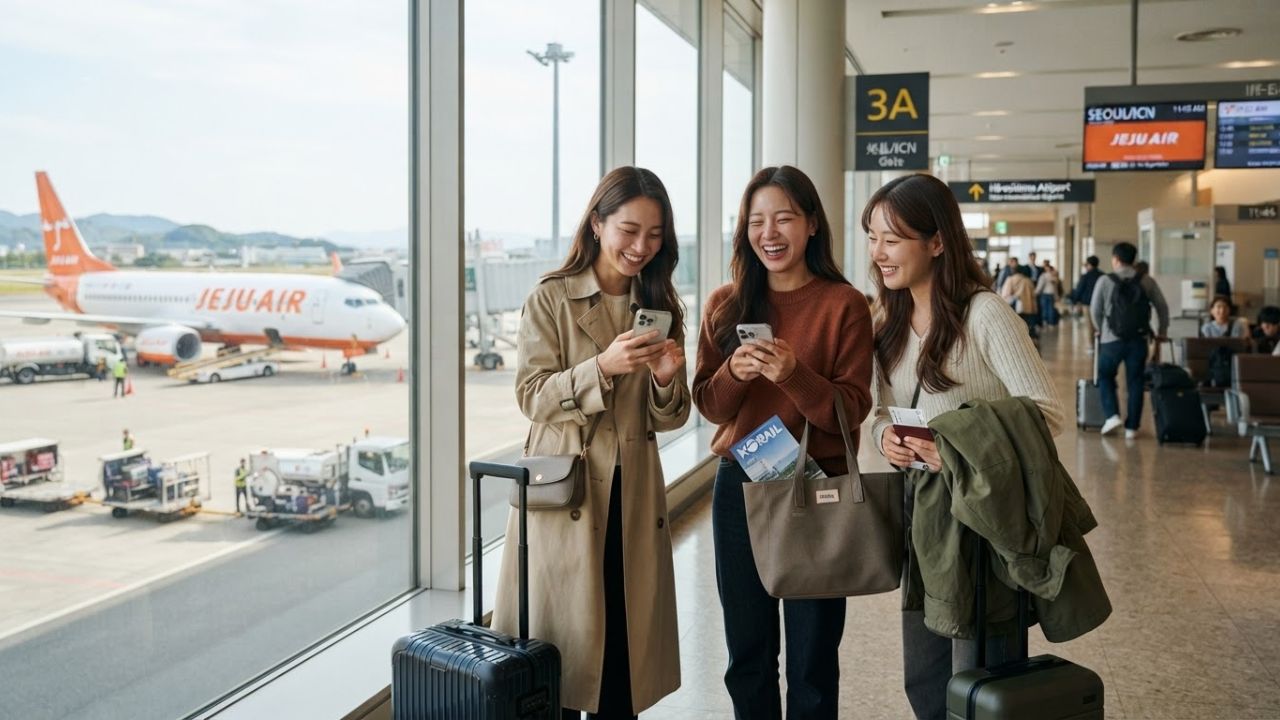
Image generated by AI
Jeju Air will temporarily expand its flight schedule between Hiroshima and Seoul Incheon to 18 round trips per week from October 1 to October 12, 2026. This limited-time service boost provides essential direct connectivity between western Japan and South Korea during one of the busiest autumn holiday windows.
Temporary Flight Boost for Peak Autumn Demand
The aviation sector in East Asia is experiencing a transition as airlines adjust capacity to match seasonal passenger demand. From October 1 to October 12, 2026, Jeju Air will temporarily increase its flights between Hiroshima and Seoul Incheon, providing more options for autumn travelers.
By establishing these seasonal travel corridors, the airline's management aims to support both business and leisure travel flows. Corporate travelers and travel agencies, which maintain strong relationships with global destination management organizations, benefit from direct seat capacity. This economic integration supports the travel sector, providing service providers with a reliable channel for high-value bookings.
By establishing these seasonal travel corridors, the airline's management aims to support both business and leisure travel flows. Canadian corporate travelers and travel agencies, which maintain strong relationships with European and Asian destination management organizations, would benefit from direct seat capacity. This economic integration supports the travel sector, providing service providers with a reliable channel for high-value bookings.
By establishing these seasonal travel corridors, the airline's management aims to support both business and leisure travel flows. Canadian corporate travelers and travel agencies, which maintain strong relationships with European and Asian destination management organizations, would benefit from direct seat capacity. This economic integration supports the travel sector, providing service providers with a reliable channel for high-value bookings.
By establishing these seasonal travel corridors, the airline's management aims to support both business and leisure travel flows. Canadian corporate travelers and travel agencies, which maintain strong relationships with European and Asian destination management organizations, would benefit from direct seat capacity. This economic integration supports the travel sector, providing service providers with a reliable channel for high-value bookings.
This service expansion increases flight frequency to 18 round trips per week, providing additional opportunities for visitors traveling between western Japan and South Korea. The Hiroshima–Seoul flight is the only direct connection linking the Hiroshima area with the South Korean capital, making it a critical regional route for leisure tourists and business travelers alike during peak holiday windows.
The Strategic Value of Hiroshima-Seoul Aviation Corridor
The temporary flight expansion supports two distinct travel markets, connecting regional Japanese attractions with South Korea's primary transport hub.
This localized disruption also offers a unique opportunity for duty-free retailers and terminal operators to design services suited for stranded passengers. By monitoring passenger comfort levels during long delays, airport customer teams can provide complimentary amenities to ensure guest satisfaction. This proactive approach helps build traveler confidence, ensuring that regional transit routes remain competitive with global hub standards.
This localized disruption also offers a unique opportunity for duty-free retailers and terminal operators to design services suited for stranded passengers. By monitoring passenger comfort levels during long delays, airport customer teams can provide complimentary amenities to ensure guest satisfaction. This proactive approach helps build traveler confidence, ensuring that regional transit routes remain competitive with global hub standards.
Hiroshima attracts visitors interested in history, culture, and nature, while Seoul remains a major gateway for shopping, entertainment, and international flight connections.
Additional flights make it easier for travelers to plan weekend getaways, cultural trips, and multi-city itineraries. Korean visitors gain more choices for exploring Hiroshima's historic sites and surrounding regions, while Japanese travelers can access Seoul for leisure and business trips.
Operational Changes and Airport Transit Highlights
Organizing a trip during this peak autumn window involves checking flight numbers, checking booking conditions, and understanding regional airport transit routes.
This environmental focus is supported by regional climatologists and conservationists who monitor ecosystem health. By tracking tourist footprint signals, managers can ensure that natural areas remain protected. The integration of carrying-capacity policies with wilderness trails demonstrates how tourism planning can protect biodiversity while offering high-quality educational hikes.
This localized culinary focus also offers a unique opportunity for restaurant associations and culinary schools to design programs suited for premium travelers. By monitoring passenger dining preferences during long stays, local chefs can provide customized dishes to ensure guest satisfaction. This proactive approach helps build traveler confidence, ensuring that Canadian urban dining remains competitive with global culinary standards.
This localized culinary focus also offers a unique opportunity for restaurant associations and culinary schools to design programs suited for premium travelers. By monitoring passenger dining preferences during long stays, local chefs can provide customized dishes to ensure guest satisfaction. This proactive approach helps build traveler confidence, ensuring that Canadian urban dining remains competitive with global culinary standards.
The direct flights connect Hiroshima Airport (HIJ) and Seoul Incheon International Airport (ICN). The increased frequency operates from October 1 to October 12, 2026, offering 18 round trips per week.
Because this flight expansion is temporary, passengers should verify their schedules directly with the airline, as operational requirements and flight times may change. Tickets must be purchased in accordance with Jeju Air's fare rules and availability.
Community Support and Sustainable Regional Travel
The expansion of regional air links helps distribute tourism spend directly to local economies and communities in both destinations.
With direct flight options, visitors can support independent local businesses, regional tour companies, and family-owned restaurants outside major metropolitan centers. In Hiroshima, this direct connection brings visitors to regional heritage sites and craft markets, helping to distribute the economic benefits of international tourism beyond traditional hubs.
By supporting sustainable travel choices, such as using public transit links and visiting off-peak attractions, travelers can reduce their environmental impact while supporting regional economic development.
Visitor Guide: Local Specialties, Transit Hubs, and Autumn Highlights
Navigating travel between Hiroshima and Seoul during the autumn holiday season involves planning transit connections, checking terminal details, and trying regional culinary specialties.
Sample traditional culinary specialties during your stay. In Hiroshima, try Hiroshima-style Okonomiyaki, a savory layered pancake made with cabbage, noodles, pork, and okonomiyaki sauce, at Okonomimura in the Hatchobori district. In Seoul, eat Samgyeopsal (grilled pork belly cooked at the table) or try Tteokbokki (chewy rice cakes in a sweet and spicy chili sauce) at local markets.
Use the limousine bus for transit from Hiroshima Airport to the city center. The bus fare is ¥1,500 for adults and ¥750 for children, and the travel time to Hiroshima Station or the Hiroshima Bus Center is approximately 50 minutes. To reach Okonomimura from Hiroshima Station, take the local streetcar (Lines 1, 2, or 6) to the Hatchobori stop and walk for three minutes.
Utilize the AREX Express Train for fast transit from Seoul Incheon Airport to Seoul Station. The non-stop train fare is 13,000 KRW, and the journey takes approximately 43 to 51 minutes. Check that you meet all passport and entry requirements for both Japan and South Korea before departure.
Future Outlook: Rebuilding Resilient East Asian Skyways
The long-term success of regional aviation in Asia depends on developing sustainable airport infrastructure and expanding low-cost carrier routes. The Civil Aviation Bureau of Japan and South Korea's Ministry of Land, Infrastructure and Transport are collaborating to support network development.
Sustainable initiatives include introducing fuel-efficient aircraft fleets, reducing carbon footprints at regional terminals, and promoting seasonal travel guides to balance visitor volumes. By combining airline route development with sustainable tourism planning, both nations aim to improve regional connectivity, securing a resilient future for cross-border travel.
Related Travel Guides
Disclaimer
This article is for informational and educational purposes only. It does not constitute legal, financial, or professional advice. While we strive to provide accurate and up-to-date information, travel policies, regulations, and conditions change rapidly. Always verify information with official sources before making travel decisions. Nomad Lawyer makes no representations about the accuracy, reliability, completeness, or suitability of the information provided. Readers should consult qualified professionals for advice specific to their circumstances. The views expressed in this article are those of the author and do not necessarily reflect the views of Nomad Lawyer.
Preeti Gunjan
Contributor & Community Manager
A passionate traveller and community builder. Preeti helps grow the Nomad Lawyer community, fostering engagement and bringing the reader experience to life.
Learn more about our team →