
Japan Travel Sparks a New Tourism Wave as Kagoshima Offers Free Shinkansen Journeys to Visitors
Japan Travel Sparks a New Tourism Wave as Kagoshima Offers Free Shinkansen Journeys to Visitors

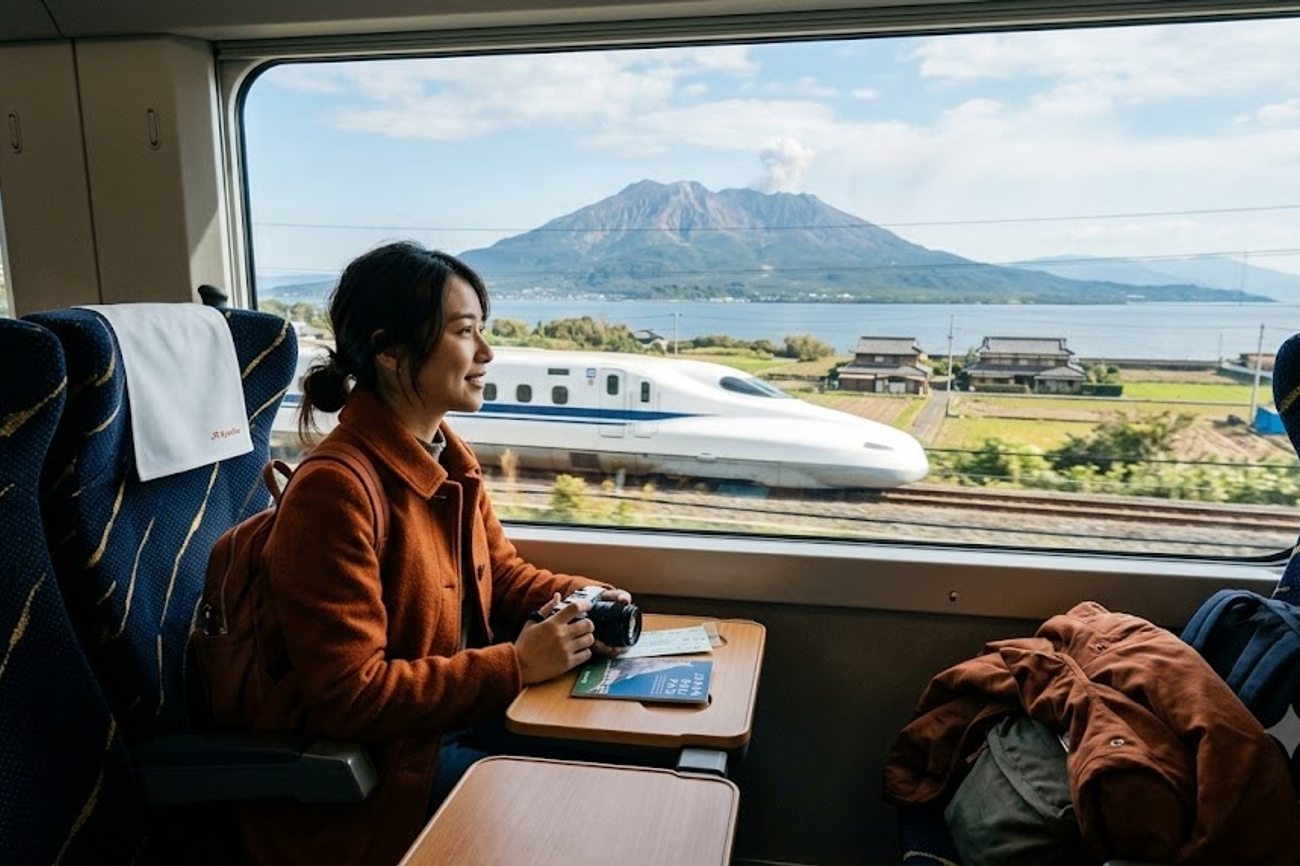
Image generated by AI
[Kagoshima, October 2024] — Kagoshima Prefecture has launched a high-value tourism initiative offering complimentary one-way Shinkansen bullet train journeys to international visitors to drive traffic away from Japan's congested urban centers.
The promotional campaign provides eligible overseas travelers with a free ride on the Kyushu Shinkansen from Hakata Station in Fukuoka to selected destinations within Kagoshima. By subsidizing the cost of high-speed rail, regional officials aim to incentivize exploration of southern Kyushu, specifically targeting tourists who typically limit their itineraries to the "Golden Route" of Tokyo, Kyoto, and Osaka.
Strategic Rail Subsidies
The immediate catalyst for this program is a concerted effort by Kagoshima officials to combat "overtourism" in major cities while stimulating economic growth in rural prefectures. The regional government has allocated ¥278 million (approximately US$1.8 million) to fund the subsidies. This investment is designed to lower the financial barrier to entry for southern Japan, transforming the Shinkansen experience itself into a primary draw for international guests.
The campaign leverages the efficiency of the Japan Railways (JR) network, reducing the travel time from Fukuoka to Kagoshima to between 90 minutes and one hour and 40 minutes, depending on the specific station of arrival.
Eligibility and Market Scope
This offer is not universal; it is restricted to a specific set of markets and requires strict adherence to booking protocols. To qualify for the free ticket, travelers must meet the following criteria:
- Entry Point: Visitors must enter Japan via Fukuoka Airport.
- Booking Requirement: Travelers must book at least one night of accommodation within Kagoshima Prefecture through the Klook travel platform.
- Eligible Nationalities: The offer is open only to residents of eight specific markets:
- United States
- Singapore
- Thailand
- Vietnam
- South Korea
- Mainland China
- Taiwan
- Hong Kong
The program is scheduled to remain active until February 28, 2027, though officials have warned that the initiative will terminate early if the ¥278 million funding pool is exhausted.
Practical Traveler Advisory and Strategic Insights
For the average tourist, this campaign transforms a significant travel expense into a complimentary perk. The subsidy covers fares up to ¥11,420 (roughly US$73), effectively removing the primary cost hurdle of visiting southern Kyushu.
However, the "free" nature of the ticket is tied to a spend-requirement. By mandating a hotel booking via Klook, the prefecture ensures that the subsidy translates into direct local economic impact. Travelers cannot simply use the ticket for a day trip; they must commit to an overnight stay, which encourages deeper exploration of the region's attractions.
From a logistical standpoint, this creates a streamlined "Fukuoka-to-Kagoshima" corridor. Travelers who would otherwise avoid the south due to the cost of long-distance rail can now integrate the region into their itinerary with minimal financial risk.
Southern Kyushu's Tourism Assets
The campaign aims to pivot international attention toward Kagoshima's unique geological and ecological landmarks, which differ sharply from the urban shrines and temples of central Japan.
Key targets for the increased visitor flow include:
- Sakurajima: One of the world's most active volcanoes, providing a dramatic backdrop to Kagoshima City.
- UNESCO World Heritage Sites: The program promotes the biodiversity of Yakushima, Amami Oshima, and Tokunoshima, which are renowned for rare wildlife and ancient forests.
- Regional Culture: By drawing visitors into the prefecture, officials hope to increase spending at local restaurants, craft shops, and boutique hotels.
Long-Term Regional Strategy
This initiative is part of a broader national trend in Japan to redistribute tourism demand. While the Japan National Tourism Organization (JNTO) continues to see record-breaking arrival numbers, the concentration of these visitors in a few cities has led to infrastructure strain.
Kagoshima's approach is a calculated economic gamble. By spending US$1.8 million on transport subsidies, the prefecture is betting that the subsequent spending on hotels, dining, and local tours will yield a significant return on investment. The use of a third-party platform like Klook allows the government to track conversion rates and passenger demographics in real-time, providing data that will likely shape future regional tourism policies across Kyushu.
FAQ: Kagoshima Shinkansen Offer 2024-2027
How do I claim the free Shinkansen ticket? You must enter Japan through Fukuoka Airport and book at least one night of accommodation in Kagoshima using the Klook platform. Once these conditions are met, eligible travelers from the eight supported markets can access the subsidy.
Which stations in Kagoshima are included? The offer covers one-way travel from Hakata Station (Fukuoka) to one of three selected stations within Kagoshima Prefecture. Specific station details are managed through the Klook booking interface.
What happens if the funding runs out before 2027? The campaign is officially slated to end on February 28, 2027, but it is subject to budget availability. If the ¥278 million fund is depleted, the free ticket offer will cease immediately.
Can I use this offer if I fly into Tokyo or Osaka? No. A mandatory requirement for this specific campaign is that the traveler must arrive in Japan via Fukuoka Airport to qualify for the Kyushu Shinkansen subsidy.
Southern Japan is now betting on bullet trains to break the monopoly of the Golden Route.
Related Travel Guides
- Amtrak Joins Rail Safety Week Across US With Focus on Education, Enforcement and Safer Choices
- China Travel Boom Surges as Shaanxi Yan’an Unlocks Historic Tourism Growth With New High Speed Railway Connectivity
- United Kingdom Aligns With France And More As New Train Rule Cuts Travel Costs After Cancellations
Disclaimer
This article is for informational and educational purposes only. It does not constitute legal, financial, or professional advice. While we strive to provide accurate and up-to-date information, travel policies, regulations, and conditions change rapidly. Always verify information with official sources before making travel decisions. Nomad Lawyer makes no representations about the accuracy, reliability, completeness, or suitability of the information provided. Readers should consult qualified professionals for advice specific to their circumstances. The views expressed in this article are those of the author and do not necessarily reflect the views of Nomad Lawyer.
Raushan Kumar
Founder & Lead Developer
Full-stack developer with 11+ years of experience and a passionate traveller. Raushan built Nomad Lawyer from the ground up with a vision to create the best travel and law experience on the web.
Learn more about our team →