
Japan Ski Travel Claims Hit Record 55% for Australian Tourists in 2026
Japan ski travel claims have surged to 55% of all Australian winter sports incidents in 2025-26, outpacing Europe and North America. Learn why this winter hotspot dominates claims data and how to prepare.

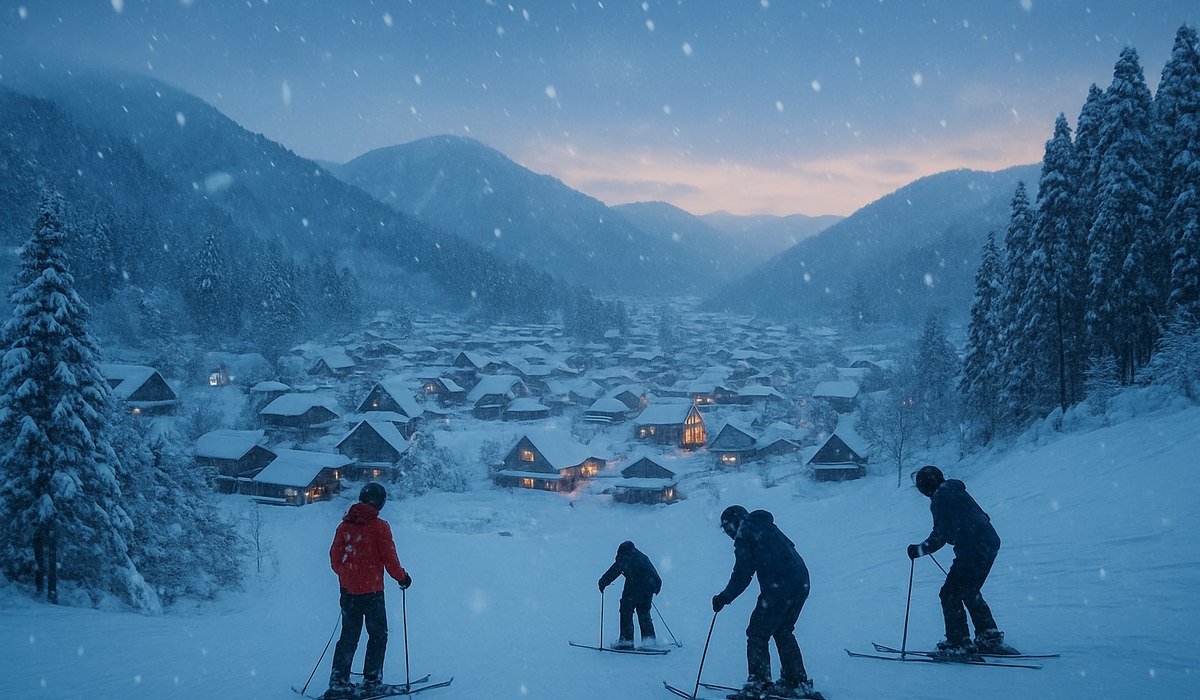
Image generated by AI
Japan Emerges as Dominant Force in Australian Ski Travel Claims
Japan has claimed the top position for ski travel insurance claims among Australian travellers in 2025-26, accounting for 55% of all incidents reported during the peak winter season. This dramatic shift represents a watershed moment in ski tourism patterns, as Japan now significantly outpaces traditional European powerhouses like Austria, Italy, and Sweden, as well as North American destinations including the United States and Canada. The surge reflects not just increased visitor numbers to Japanese resorts, but also a fundamental change in where Australian skiers and snowboarders are choosing to spend their winter holidays.
Data from leading travel insurance providers reveals that Japan ski travel claims have skyrocketed 125% since 2024, marking an unprecedented surge in just two years. Within the 2025-26 season alone, claims rose by 33% compared to the previous winter period. This explosive growth underscores Japan's transformation into the premier winter sports destination for antipodean travellers, cementing its reputation as a must-visit snow destination in the Southern Hemisphere's off-season.
Japan's Dramatic Rise in Ski Travel Claims
The acceleration of Japan ski travel claims tells a compelling story about changing travel preferences among Australian adventurers. While European ski resorts have long dominated the winter tourism landscape, Japan's combination of consistent powder, accessible terrain, and unique cultural experiences has created an irresistible draw.
Several factors contribute to this phenomenon. Japan's geographical position ensures reliable snowfall, particularly in regions like Hokkaido and Nagano. The country's well-developed ski infrastructure, featuring over 500 resorts, provides options for all skill levels. Additionally, Australia's post-pandemic recovery has seen more disposable income directed toward experiential travel, and Japan represents an achievable luxury destination compared to traditional European circuits.
The financial implications are substantial. Single claims have exceeded $16,000, particularly when medical emergencies require hospitalization and emergency evacuation. These incidents dramatically reshape travel plans, forcing last-minute itinerary changes and substantial out-of-pocket expenses. Visit the Japan National Tourism Organization to understand the destination's official tourism infrastructure and safety measures.
The Hidden Costs: Beyond Broken Bones
While skiing injuries naturally contribute to claims data, the less obvious culprits are proving equally disruptive for Australian travellers. Weather-related incidents account for a substantial proportion of Japan ski travel claims, often exceeding injury-related incidents in frequency.
Heavy snowfall, while creating the legendary powder conditions that attract visitors, simultaneously triggers infrastructure disruptions. Train cancellations have become increasingly common during peak snow periods, particularly affecting the Sapporo region and connections between major resorts. These cancellations cascade through travel itineraries, creating missed flight connections and stranded travellers requiring emergency rebooking.
Medical costs represent another hidden expense. Japanese hospitals charge significantly for foreign patients, with emergency room visits and overnight stays accumulating rapidly. Snowboarding injuries requiring surgery can reach tens of thousands of dollars, particularly when evacuation helicopters or specialized trauma care becomes necessary.
Travel insurance claims also spike for trip cancellations, accommodation changes, and emergency transport arrangements. Many Australian travellers underestimate these ancillary costs, assuming their policies cover only direct medical expenses. Understanding comprehensive winter travel coverage remains crucial before departing Australia.
Weather Disruptions Upend Itineraries
The paradox of Japan's ski appeal becomes apparent when examining weather-related claim patterns. The same meteorological conditions creating powder skiing paradise simultaneously generate logistical nightmares.
Sapporo, Japan's premier snow hub, experienced unprecedented train disruptions during the 2025-26 season. Network closures cascaded across the Hokkaido region, isolating popular resorts and preventing travellers from reaching airports for return journeys. These circumstances triggered substantial reimbursement claims for alternative transportation, emergency accommodation, and missed connecting flights.
Avalanche warnings occasionally necessitate resort closures, disappointing skiers and forcing schedule adjustments. Visibility issues from heavy snowfall occasionally render ski lifts inoperable for entire days. While these natural weather patterns are entirely predictable during Japan's winter season, their impact on fixed travel itineraries catches many Australian travellers unprepared.
Advanced planning and flexible booking policies become essential strategies for navigating these disruptions. Travel insurance with comprehensive weather-related coverage provides crucial financial protection. Check TripAdvisor reviews of Japanese ski resorts to understand how other travellers have experienced seasonal challenges and managed unexpected changes.
What Australian Skiers Need to Know
Australia's ski community must approach Japan ski travel claims data as valuable intelligence for trip planning. This information should inform both destination selection and insurance decisions.
First, Japan ski travel claims rising to 55% dominance suggests the destination now requires premium travel insurance coverage. Standard policies often provide inadequate protection for weather-related disruptions and medical emergencies in remote mountain regions. Travellers should specifically request policies covering avalanche closures, weather-induced transport cancellations, and emergency medical evacuation.
Second, timing your visit strategically can reduce risk exposure. While peak powder season attracts crowds and increases incident likelihood, shoulder seasons often provide superior conditions with fewer disruptions. Booking travel during periods with historically lower snowfall frequency reduces weather-related claim triggers.
Third, understanding resort-specific safety protocols and infrastructure resilience matters significantly. Larger, more established resorts typically maintain superior emergency services and backup transportation systems compared to smaller operations. Research individual resort capabilities before committing to bookings.
Finally, comprehensive pre-departure planning should address contingency scenarios. Identify alternative transportation routes, understand evacuation procedures, and maintain emergency contact information for your embassy or consulate in Japan. These preparation steps substantially reduce claim likelihood and associated stress.
Best Time to Visit Japanese Ski Resorts
The optimal timing for Japanese ski travel depends on balancing powder quality against disruption risk. The 2025-26 claims data suggests strategic timing can meaningfully reduce incident probability.
January through February traditionally represents peak powder season in Hokkaido and Nagano regions. However, this period correlates with maximum snowfall and highest disruption risk. Heavy precipitation frequently triggers train cancellations and visibility issues affecting ski operations.
December and early January offer excellent snow conditions with fewer extreme weather events. This shoulder season period provides superior conditions compared to mid-winter months, with notably lower disruption risk. Spring skiing in March and early April features stabilized snow and more predictable weather patterns, though powder quality diminishes progressively.
Travel insurance claims data suggests visiting during December or early January optimizes the risk-reward calculation. You'll access quality powder conditions while avoiding the most extreme weather disruptions plaguing mid-winter visitors. This timing strategy has proven effective for risk-conscious Australian travellers planning Japan ski adventures.
How to Get There
Most Australian skiers reach Japan's primary ski destinations through Tokyo's Narita or Haneda Airports, with flight times typically ranging from 9-11 hours from Australian capital cities. Direct flights from Sydney and Melbourne provide the most efficient routing, though connections through Asian hubs offer occasional cost advantages.
From Tokyo, reaching ski regions requires either domestic flights or train travel. The Shinkansen bullet train connects Tokyo to Nagano in approximately 90 minutes, providing convenient access to Nagano's Hakuba and Nozawa resorts. Flights to New Chitose Airport near Sapporo (approximately 2 hours from Tokyo) open access to Hokkaido's extensive resort network.
Timing your arrival strategically matters considerably. Arriving several days before your booked ski period allows altitude acclimatization and provides buffer time for unexpected delays. This buffer period has proven valuable for travellers experiencing flight disruptions or equipment damage requiring replacement.
Consider purchasing travel insurance before departing Australia, as costs increase substantially after departing your home country. Comprehensive coverage should address flight disruptions, emergency medical care, and mountain rescue scenarios. Verify current travel advisory information through the [Australian Department of Foreign Affairs and Trade](
Disclaimer
This article is for informational and educational purposes only. It does not constitute legal, financial, or professional advice. While we strive to provide accurate and up-to-date information, travel policies, regulations, and conditions change rapidly. Always verify information with official sources before making travel decisions. Nomad Lawyer makes no representations about the accuracy, reliability, completeness, or suitability of the information provided. Readers should consult qualified professionals for advice specific to their circumstances. The views expressed in this article are those of the author and do not necessarily reflect the views of Nomad Lawyer.
Raushan Kumar
Founder & Lead Developer
Full-stack developer with 11+ years of experience and a passionate traveller. Raushan built Nomad Lawyer from the ground up with a vision to create the best travel and law experience on the web.
Learn more about our team →