
Japan Cuts Summer Flights to China by Over Fifty Percent Following Stricter Airspace Charges as All Nippon Airways Leads Schedule Reductions to Avoid Travel Chaos: New Aviation Updates
Flights between Japan and China plunge by over 50% this summer due to stricter Chinese airspace charges, impacting tourism and prompting regional pivots.

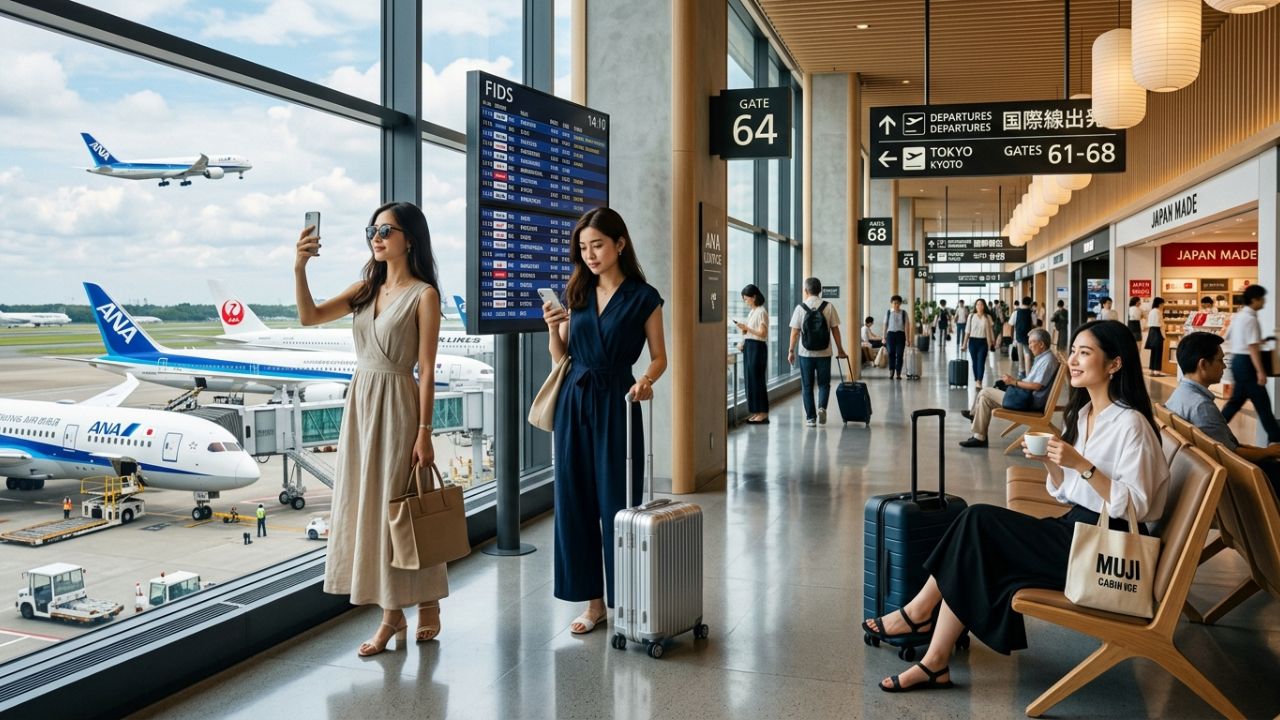
Image generated by AI
In a dramatic development that is set to impact trans-border travel across East Asia, commercial flight capacity between Japan and China has experienced a steep decline. Following the implementation of stricter Chinese airspace transit fees, major commercial airlines have announced significant schedule reductions for the peak summer holiday season. This latest airline news update reports that the sudden capacity drop—designed to prevent operational losses but expected to trigger widespread travel chaos, flight cancellations, and seasonal airport disruptions—will reduce peak summer services by over fifty percent, creating challenges for regional tourism economies.
Subheading: Air Bridge Capacity Plunges 53% for Summer Peak as Hakuba, Kyoto, Osaka, and Hokkaido Pivot to Western and Domestic Audiences to Counter Inbound Tourist Losses
Aviation analysts note that Chinese tourists have historically represented a major portion of inbound travel spending in Japan. The sudden flight reductions are forcing popular tourist destinations to quickly adjust their marketing and visitor strategies. The peak summer schedule has plunged from 1,280 flights to just 597 flights, representing a significant 53% capacity drop. The decline is already visible in monthly metrics, with May flights falling from 5,873 to 2,643 (a 55% drop), and June flights projected to plunge from 5,598 to 2,376 (a 58% decline), as detailed in the latest regional aviation updates.
To mitigate this impact, regional tourism boards and resort operators are shifting their focus to domestic visitors and long-haul travelers from Europe and North America, implementing infrastructure upgrades to attract a more diversified visitor base.
Section-Wise Breakdown: Strategic Regional Impact and Travel Pivots
The sharp reduction in flight options is driving significant strategy adjustments across Japan’s primary tourism regions and air carriers:
Hakuba Regional Transit & Infrastructure Pivot
The famous ski and leisure destination in the Japanese Alps is actively upgrading its transport infrastructure to attract long-haul travelers:
- New Bus Terminal: Hakuba has announced plans to invest in a modern bus terminal to improve direct transport links from major airports and train stations.
- Long-Haul Strategy: The initiative aims to offset the decline in Chinese arrivals by making the alpine resort more accessible to Western ski and outdoor tourists.
- Diversified Marketing: Local operators are shifting winter and summer promotional campaigns toward North American and European leisure travelers.
Kyoto and Osaka Cultural Hubs
Kyoto and Osaka are adjusting their marketing campaigns to focus on domestic and Western travelers:
- Targeted Packages: Tourism boards are introducing special culture-focused packages and extended-stay incentives to encourage longer visits.
- Alternative Transit Options: Travelers are encouraged to utilize alternative flight corridors, including transit routes through South Korea, Taiwan, or Hong Kong.
- Domestic Focus: Hospitality operators are launching promotions to capture robust domestic leisure demand during the peak summer holiday season.
Tokyo and Hokkaido Tourism Gateways
Japan's primary international gateways and northern resorts are adapting to the sudden capacity cuts:
- Rethinking Occupancy: High-yield hotel operators are adjusting pricing and packages to maintain steady occupancy levels despite declining flight options.
- Year-Round Promotions: Hokkaido is expanding its outdoor summer tourism campaigns, promoting its scenic parks and agricultural regions to domestic families and long-haul Western visitors.
- Coordinated Support: Local retail and dining associations are introducing multilingual services to support a more diverse international traveler base.
All Nippon Airways (ANA) and Air Carrier Adjustments
Major regional air carriers are adjusting their flight operations to manage high airspace charges and system upgrades:
- Temporary Domestic Restrictions: ANA has implemented temporary domestic service restrictions between May 19 and June 9, 2026, due to planned system migrations.
- Traveler Advisories: Passengers are urged to check flight statuses regularly, confirm reservations early, and allow extra time for check-in procedures.
- Long-Term Surcharges: Airspace charges are expected to remain high, suggesting that flight options between Japan and China will remain limited with higher ticket prices.
Japan-China Flight and Regional Tourism Matrices
The flight reductions reflect a coordinated adjustment in capacity across the East Asian air corridor:
- Summer Capacity: Reduced from 1,280 to 597 flights (53% decline).
- May Flights: Reduced from 5,873 to 2,643 flights (55% decline).
- June Flights: Reduced from 5,598 to 2,376 flights (58% decline).
The following tables summarize the monthly flight reductions, capacity adjustments, and regional travel options established for the 2026 summer season:
Japan-China Flight Capacity Reductions (2026)
| Flight Operation Period | Baseline Flight Volume (Original) | Redefined Flight Volume (Summer 2026) | Absolute Capacity Drop | Percentage Decrease | Key Strategic Airspace Causes |
|---|---|---|---|---|---|
| May 2026 Flights | 5,873 flights | 2,643 flights | 3,230 flights | 55% down | Stricter Chinese airspace transit fees, ANA system migration |
| June 2026 Flights | 5,598 flights (projected) | 2,376 flights (projected) | 3,222 flights | 58% down | High regulatory airspace charges, carrier route restructuring |
| Peak Summer Schedules | 1,280 flights | 597 flights | 683 flights | 53% down | Geopolitical transit constraints, regional carrier adjustments |
Regional Tourism Adaptations & Alternative Routing
| Regional Tourism Gateway | Primary Target Visitor Pivot | Core Infrastructure & Marketing Initiatives | Recommended Alternative Transit Routing |
|---|---|---|---|
| Hakuba (Japanese Alps) | Western long-haul tourists | New bus terminal airport & train station links | Tokyo/Nagoya land transit links, local express buses |
| Kyoto & Osaka Hubs | Domestic & Europe/North America | Extended-stay package incentives, cultural promos | Flights via South Korea (ICN), Taiwan (TPE), or Hong Kong (HKG) |
| Hokkaido (Northern Japan) | Long-haul winter/summer leisure | Multi-season outdoor tourism, premium hotel bookings | Flights transiting South Korea, Taiwan, or Hong Kong gateways |
Passenger Impact: Navigating Limited Trans-Border Flight Schedules
For everyday passengers, the steep drop in direct flights means higher ticket prices and fewer routing options. Travelers planning trips between Japan and China should anticipate potential schedule changes, longer transit times, and complex itineraries. Booking flights early, maintaining flexible travel dates, and utilizing alternative connection hubs like Seoul Incheon, Taipei, or Hong Kong can help passengers avoid disruptions and ensure reliable travel schedules.
Industry Analysis: Airspace Regulation, Airline Margins, and Tourism Resilience
Aviation economists note that airline capacity planning is highly sensitive to airspace fees and regulatory charges:
- Airspace Charge Impact: High airspace fees can make low-yield routes unprofitable, leading airlines to reallocate aircraft to more profitable domestic or long-haul corridors.
- System Migration Challenges: Coordinating major IT upgrades, such as ANA’s system migration, requires temporary capacity reductions to prevent disruptions.
- Resilience through Diversification: Shifting marketing strategies to target domestic and Western long-haul travelers helps regional tourism economies reduce their vulnerability to sudden geopolitical or regulatory changes.
Conclusion: A Highly Disciplined Outlook for East Asian Aviation
The significant reduction in Japan-China flights highlights the operational challenges facing airlines and regional tourism economies in 2026. By utilizing strategic capacity cuts, alternative transit routing, and diversified marketing plans, both air carriers and tourism boards are adapting to high airspace charges. While direct flights remain limited, passenger flexibility and regional investments will support long-term travel stability across the region.
Key Takeaways
- Significant Flight Cuts: Flight capacity between Japan and China falls by over fifty percent this summer due to stricter airspace charges.
- Summer Schedule Plunge: Direct summer schedules drop from 1,280 to 597 flights, representing a 53% reduction.
- Monthly Capacity Drops: May flights fall by 55% (from 5,873 to 2,643), while June projected flights decline by 58% (from 5,598 to 2,376).
- Hakuba Infrastructure Pivot: Hakuba is investing in a new bus terminal to attract Western travelers and improve regional access.
- ANA Travel Advisory: ANA implements domestic schedule adjustments between May 19 and June 9, 2026, for system updates, urging travelers to check flight statuses carefully.
Related Travel Guides
- AirAsia Takes Delivery of First Airbus A321LR Under Massive 2026 Fleet Restructuring Across Malaysia, Thailand, Indonesia, Cambodia, and the Philippines to Safeguard Passengers from Airport Disruptions: New Aviation Updates
- Priority Pass Excellence Awards 2026 Crowns Portland, Fukuoka, Vienna, Kingston, and Johannesburg Lounges to Help Passengers Bypass Airport Disruptions and Travel Chaos: New Aviation Updates
- The 10 Best Travel Tips for Navigating Japan-China Flight Cancellations, According to Reddit
Disclaimer
This article is for informational and educational purposes only. It does not constitute legal, financial, or professional advice. While we strive to provide accurate and up-to-date information, travel policies, regulations, and conditions change rapidly. Always verify information with official sources before making travel decisions. Nomad Lawyer makes no representations about the accuracy, reliability, completeness, or suitability of the information provided. Readers should consult qualified professionals for advice specific to their circumstances. The views expressed in this article are those of the author and do not necessarily reflect the views of Nomad Lawyer.
Kunal K Choudhary
Co-Founder & Contributor
A passionate traveller and tech enthusiast. Kunal contributes to the vision and growth of Nomad Lawyer, bringing fresh perspectives and driving the community forward.
Learn more about our team →