
Japan Launches Preventative Wellness Tourism in 2026 with Aomori Longevity and Luxury Healing Retreats
Japan is redefining luxury travel in 2026 by integrating preventative wellness and longevity programs in Aomori and other key cities to attract health-conscious global travelers.

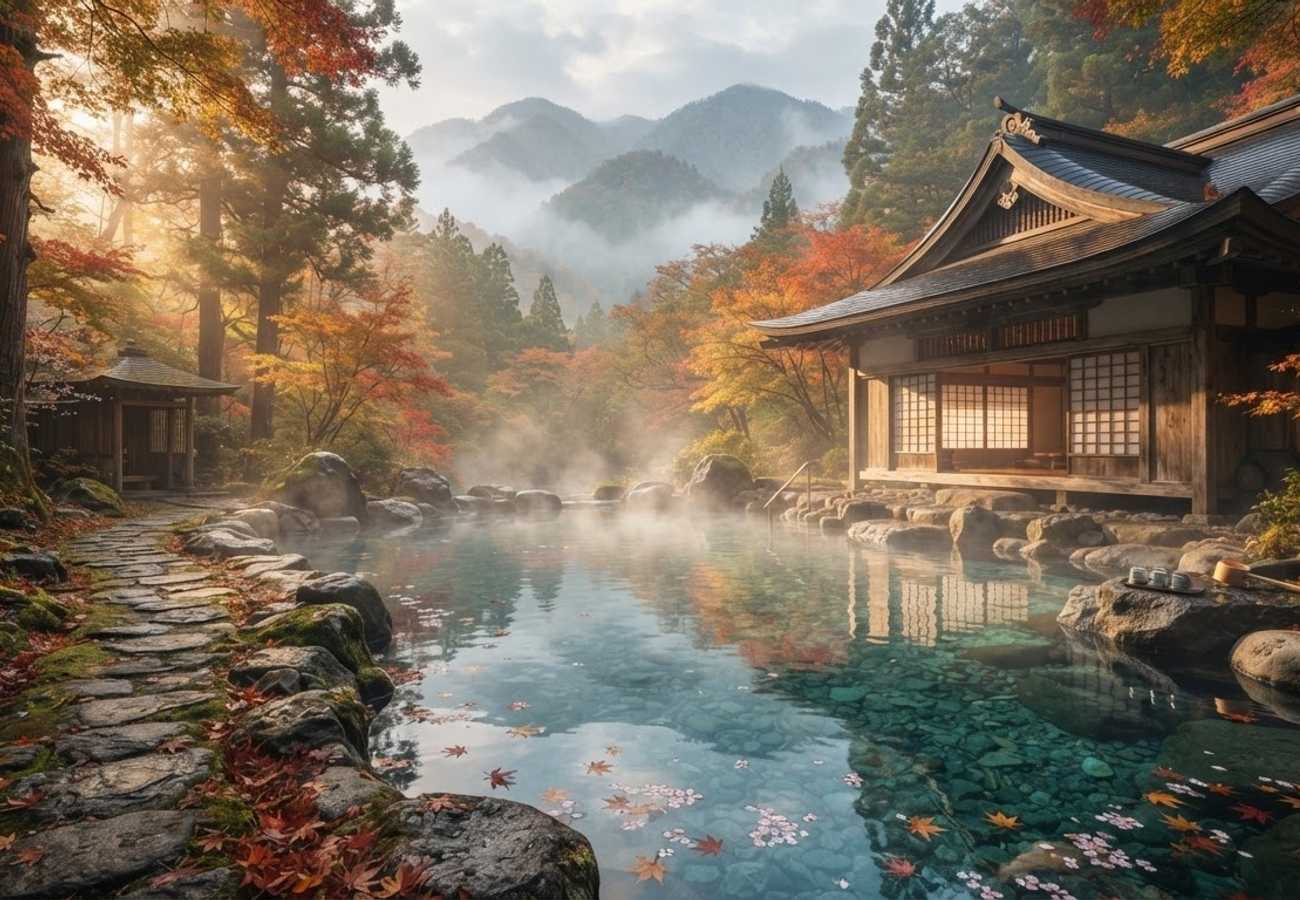
Image generated by AI
Japan is aggressively pivoting its tourism strategy toward high-value, health-centric experiences, with Aomori City and several other regional hubs launching exclusive preventative wellness journeys for 2026. This shift marks a transition from traditional sightseeing toward personalized wellbeing models that combine medical science, ancient healing traditions, and luxury hospitality.
The evolution of the Japanese travel market reflects a global surge in demand for restorative travel. By integrating nature-based retreats and advanced health assessments into the hospitality experience, Japan is positioning itself as a global leader in "preventative" tourism—where the goal is not just relaxation, but the active improvement of physical and mental longevity.
Aomori City Leads the Shift Toward Longevity-Based Travel
Aomori City is emerging as a primary catalyst for this new era of hospitality. Rather than focusing solely on scenery, the city is implementing medical wellness frameworks designed to attract visitors seeking longevity and restorative health. A key development in this sector is the introduction of facilities like ReLabo, which merge scientific health assessments with regional culture and hospitality.
Visitors to Aomori can now access rehabilitation programs and organic, nutrition-focused cuisine tailored to individual health needs. By blending traditional northern Japanese healing concepts with modern medical insights, Aomori is targeting a demographic of travelers who view their vacation as an investment in their long-term health.
Regional Specializations in Japanese Wellness Hospitality
Across the archipelago, different prefectures are carving out specific niches to ensure a diverse wellness ecosystem. While Aomori focuses on longevity, other cities are leveraging their unique geography and history to offer varied healing modalities.
In Kyoto, the focus is on "mindful escapes." The city is utilizing its dense concentration of Zen temples and traditional gardens to offer spiritual restoration. Luxury hotels in the region are expanding their footprints to include private onsen (hot spring) rituals and personalized cultural programs that encourage "slow travel."
Meanwhile, destinations like Hakone and Beppu are doubling down on their thermal heritage. Hakone is optimizing its proximity to Tokyo to provide accessible, high-end forest bathing and mineral spring therapies. Beppu, known for its diverse variety of mineral baths, is integrating these therapeutic experiences with local gastronomy to create a holistic healing circuit.
Comprehensive Breakdown of Japan's 2026 Wellness Destinations
The following data outlines the specific hospitality focuses and key experiences currently being deployed across Japan's wellness network:
| City / Destination | Prefecture | Wellness Hospitality Focus (2026) | Key Experiences for Travelers | Accommodation Developments | Primary Attraction Factor |
|---|---|---|---|---|---|
| Aomori City | Aomori | Medical wellness & longevity | Health assessments, rehab, organic cuisine | New facilities like ReLabo | Preventative health & science |
| Kyoto | Kyoto | Luxury cultural mindfulness | Zen meditation, temple stays, tea rituals | Expanded private spas in luxury hotels | Spiritual heritage & slow travel |
| Hakone | Kanagawa | Onsen & nature therapy | Mineral springs, forest bathing, lake views | Premium ryokan private bath upgrades | Proximity to Tokyo & thermal culture |
| Beppu | Oita | Therapeutic bathing | Steam treatments, sand baths, mineral baths | Immersive onsen-food integration | Authentic thermal wellness |
| Yufuin | Oita | Slow wellness & retreats | Mountain landscapes, art villages, walking | Boutique ryokan personalized stays | Quietude & stress recovery |
| Kaga Onsen | Ishikawa | Traditional hospitality | Tea culture, crafts, seasonal cuisine | Upgraded international guest services | Cultural immersion & bathing |
| Noboribetsu | Hokkaido | Volcanic nature therapy | Volcanic landscapes, hiking, mineral springs | Integrated outdoor-restorative packages | Clean environment & dramatic nature |
| Kobe (Arima) | Hyogo | Premium urban escape | Arima hot springs, gourmet wellness food | Enhanced private bathing facilities | Luxury access near major cities |
| Nara | Nara | Spiritual mindfulness | Temple meditation, vegetarian cuisine | Heritage-focused reflective stays | Emotional restoration & forests |
| Kumamoto/Aso | Kumamoto | Outdoor healing | Volcano hiking, farm-to-table, rural retreats | Eco-wellness resort packages | Physical and mental renewal |
| Okinawa | Okinawa | Longevity & coastal life | Ocean activities, longevity culture | Expanded holistic lifestyle resorts | Blue-zone longevity reputation |
| Nagano | Nagano | Forest therapy & active recovery | Alpine hiking, meditation, mountain springs | Nature-immersion wellness programs | Adventure combined with relaxation |
| Kanazawa | Ishikawa | Cultural slow travel | Traditional crafts, gardens, walking tours | Boutique hotels with cultural integration | Quiet alternative to major hubs |
| Tokyo | Tokyo | Tech-driven urban wellness | Sleep-focused hotels, luxury beauty spas | Personalized wellness rooms in hotels | High-tech wellbeing in city centers |
The Strategic Evolution of the Japanese Tourism Model
The transition toward wellness tourism is a calculated move to diversify Japan's economic reliance on major hubs like Tokyo and Osaka. By promoting specialized programs in smaller cities such as Yufuin and Aomori, the government and private sectors are distributing tourist spend more evenly across the country.
This model differs from the standard "spa holiday" by emphasizing balance. The 2026 strategy integrates luxury accommodations with educational components, such as learning the philosophy behind Zen meditation or the nutritional science of seasonal Japanese diets. This approach transforms the traveler from a passive observer into an active participant in their own health journey.
Why This Matters: The Impact on the Modern Traveler
For the international traveler, this shift means that a trip to Japan is no longer just about visiting shrines or shopping in Ginza; it is becoming a functional health retreat. From a logistical standpoint, the integration of medical assessments (as seen in Aomori) creates a new category of "health-tourism" that may eventually overlap with medical insurance and corporate wellness benefits.
For the digital nomad or the high-net-worth individual, the availability of "sleep-focused hotels" in Tokyo and "slow wellness" retreats in Yufuin provides a necessary antidote to burnout. The real value here is "Information Gain"—travelers are not just seeing a new place, they are acquiring tools for longevity and mental clarity that they can take home with them.
Japan is no longer just a destination to visit, but a place to recover.
Related Travel Guides
Disclaimer
This article is for informational and educational purposes only. It does not constitute legal, financial, or professional advice. While we strive to provide accurate and up-to-date information, travel policies, regulations, and conditions change rapidly. Always verify information with official sources before making travel decisions. Nomad Lawyer makes no representations about the accuracy, reliability, completeness, or suitability of the information provided. Readers should consult qualified professionals for advice specific to their circumstances. The views expressed in this article are those of the author and do not necessarily reflect the views of Nomad Lawyer.
Raushan Kumar
Founder & Lead Developer
Full-stack developer with 11+ years of experience and a passionate traveller. Raushan built Nomad Lawyer from the ground up with a vision to create the best travel and law experience on the web.
Learn more about our team →