
Cultural Tourism: Skillcations Redefine Travel in Japan and Asia
Skillcations reshape tourism in Japan and Asia in 2026, shifting visitor focus from sightseeing to hands-on learning from local masters.

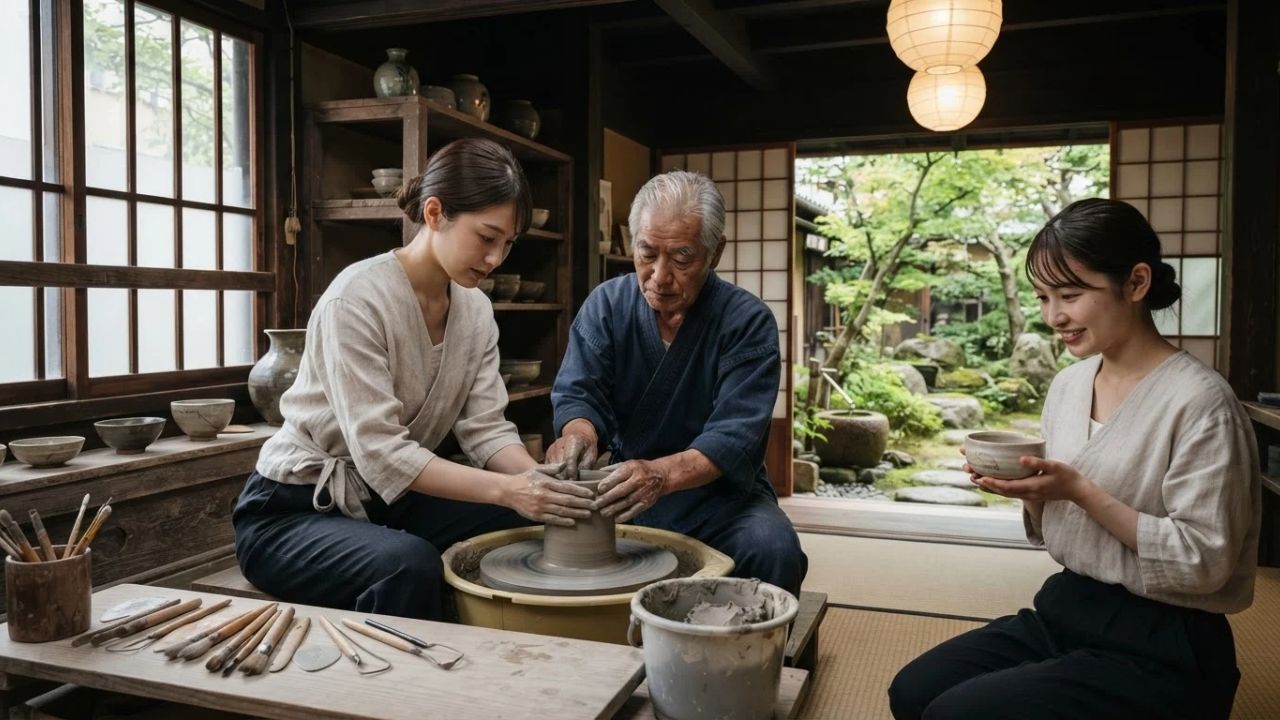
Image generated by AI
Skillcations reshape tourism in Japan and Asia in 2026, shifting visitor focus from sightseeing to hands-on learning from local masters. The Japan National Tourism Organization indicates that educational travel models direct visitor spending directly to independent craftspeople and rural artisans.
The Transition from Passive Sightseeing to Active Skill Learning
A significant shift in international travel is the transition from passive sightseeing to active, hands-on learning experiences. Historically, destination marketing focused on famous monuments, scenic lookouts, and photography spots, encouraging quick tourist turnover and shallow cultural engagement. In 2026, the global travel market embraces educational stays, where visitors reside in local communities to study traditional crafts, culinary arts, and heritage conservation directly from regional masters.
By participating in workshops and classes, travelers build connections with local hosts and preserve intangible cultural heritage. This immersive travel model supports small family businesses and independent instructors, turning traditional knowledge into sustainable tourism assets.
The Growth of Skillcations across Key Asian Destinations
The skillcation model is expanding across several heritage-rich regions in Asia:
- Kyoto, Japan: Offers premium cultural workshops including tea ceremonies, calligraphy, kimono dressing, traditional cooking, and woodcraft.
- Chiang Mai, Thailand: Focuses on community-based craft activities such as textile weaving, pottery, silver craft, and organic agriculture.
- Hanoi and Hoi An, Vietnam: Integrates rural tourism with visits to craft villages specializing in silk production, ceramics, and traditional farming techniques.
- Seoul, South Korea: Blends urban lifestyle tours with workshops in Korean cooking, calligraphy, and modern creative arts.
- Hangzhou, China: Centers experiences on historic tea-picking traditions, roasting methods, and silk weaving.
- Ubud, Bali (Indonesia): Coordinates wellness, Balinese culinary courses, wood carving, and traditional rice farming classes.
- George Town, Malaysia: Leverages multicultural culinary traditions to offer street food cooking schools and heritage restoration classes.
These programs offer travelers an opportunity to return home with new practical skills rather than generic souvenirs.
Economic and Social Impacts of Educational Tourism
The shift toward skill-based travel transforms the economics of host communities:
- Direct Income Distribution: Spending reaches local artisans, farmers, and family instructors rather than being concentrated solely within large resort brands.
- Extended Length of Stay: Travelers who join workshops remain in the destination longer, using local hotels, neighborhood restaurants, and regional transport.
- Preserving Heritage: Creating commercial value for traditional skills encourages younger generations to learn and maintain local crafts.
- Urban-Rural Balance: Attracts visitors away from congested city centers toward rural craft villages and mountain farming cooperatives.
This model changes the tourist-host relationship, turning local communities into active economic partners.
Asian Skillcation Program Coordinates
The table below breaks down the key destinations, primary craft specialties, target learning experiences, local economic impacts, regional partners, and coordinating tourism boards recorded on August 23, 2026:
| Destination Hub | Primary Craft Specialty | Learning Experience Format | Local Economic Impact | Regional Partner | Coordinating Tourism Board |
|---|---|---|---|---|---|
| Kyoto (Japan) | Tea ceremony & crafts | Masterclass workshops | Direct artisan income | Kyoto Craft Guild | Japan National Tourism Org |
| Chiang Mai (Thailand) | Weaving & silver craft | Village craft programs | Family-run workshops | Lanna Heritage Group | Tourism Authority of Thailand |
| Hanoi & Hoi An (Vietnam) | Silk & ceramic pottery | Craft village tours | Rural economic support | Bat Trang cooperatives | Vietnam National Authority Tourism |
| Ubud (Bali) | Culinary & wood carving | Farm-to-table classes | Farm-to-school income | Balinese farmers | Indonesia Ministry of Tourism |
| George Town (Malaysia) | Culinary & architecture | Cooking school workshops | Independent guide fees | Penang Heritage Trust | Malaysia Tourism Board |
These coordinates outline the hubs, specialties, formats, impacts, partners, and boards established for the skillcation program.
Resource Stewardship and Eco-Aware Heritage Travel
For the traveler, the benefit of participating in skillcations is the opportunity to support regional conservation efforts directly. Purchasing materials and learning crafts from certified local masters ensures that heritage preservation remains economically viable.
Additionally, choosing to stay in neighborhood guesthouses reduces the environmental pressure associated with large hotel constructions. Traveling during off-peak seasons to attend long-term craft courses minimizes overcrowding in historic temple districts.
For comparison, you can explore the changing dynamics of Stimulus Launch: Taiwan Unveils Billion-Dollar Repeat Visitor Rewards to see how destinations promote visitor spend. For transit updates, comparing travel scheduling matches other networks, such as Aviation Expansion: Centrum Air Launches Tashkent-Perm Direct Flights updates. This trend is similar to the tourism growth seen in other destinations, as detailed in our guide on the Hacienda Heights Bus Fire Transport Safety regulations.
Visitor Insider Tips: Booking Your First Skillcation
If you are planning to organize a skill-based trip to Japan or other Asian destinations, keep these practical tips in mind:
- Book Direct with Artisans: Whenever possible, reserve workshops directly through local artisan guilds or family-run websites to ensure maximum revenue reaches the creator.
- Plan for Longer Stays: Allow at least three to five days in one location to complete a comprehensive craft or cooking course, rather than rushing between cities.
- Respect Master Etiquette: When entering traditional studios in Kyoto, observe local customs, such as removing shoes and asking permission before taking photographs.
- Combine City and Village Tours: If visiting Hanoi, arrange a day trip to the Bat Trang ceramic village to experience traditional pottery throwing first-hand.
- Confirm Materials Sourcing: Choose workshops that use locally sourced, natural, and sustainable materials (like organic indigo dyes in Chiang Mai).
Long-Term Outlook for Experiential Cultural Tourism
The long-term outlook for transit in the tourism sector is focused on developing eco-friendly transit routes linking craft villages, building rural workshop studios, and establishing digital booking platforms for independent teachers. As travelers seek authentic learning experiences, national tourism ministries and regional environmental boards will cooperate to maintain cultural integrity codes.
By developing sustainable transit links and protecting regional heritage sites, the tourism sector aims to build a sustainable transport network.
FAQ
What are skillcations?
Skillcations are travel itineraries centered on learning traditional skills, crafts, or cooking directly from local experts and masters in a specific region.
Which activities can travelers experience in Kyoto?
Visitors to Kyoto can participate in traditional tea ceremonies, calligraphy sessions, kimono experiences, cooking lessons, and historic craft workshops.
How do skillcations support local communities?
By directing tourist spending to independent artisans, farmers, and guides, skillcations distribute tourism revenue directly to family-run businesses and help preserve local crafts.
What skillcation experiences are available in Chiang Mai?
Chiang Mai offers hands-on experiences in Lanna weaving, pottery, silver craft, traditional Thai cooking, and organic agricultural techniques.
Stay updated on regional travel regulations and cultural tourism updates shaping Asian transit.
Related Travel Guides
Disclaimer
This article is for informational and educational purposes only. It does not constitute legal, financial, or professional advice. While we strive to provide accurate and up-to-date information, travel policies, regulations, and conditions change rapidly. Always verify information with official sources before making travel decisions. Nomad Lawyer makes no representations about the accuracy, reliability, completeness, or suitability of the information provided. Readers should consult qualified professionals for advice specific to their circumstances. The views expressed in this article are those of the author and do not necessarily reflect the views of Nomad Lawyer.
Raushan Kumar
Founder & Lead Developer
Full-stack developer with 11+ years of experience and a passionate traveller. Raushan built Nomad Lawyer from the ground up with a vision to create the best travel and law experience on the web.
Learn more about our team →