
JAL Adds Extra Fukuoka to Kagoshima Flights Amid Kyushu Disruption
Japan Airlines has added temporary flights between Fukuoka and Kagoshima from August 1 to August 5, 2026, to assist disrupted rail passengers.

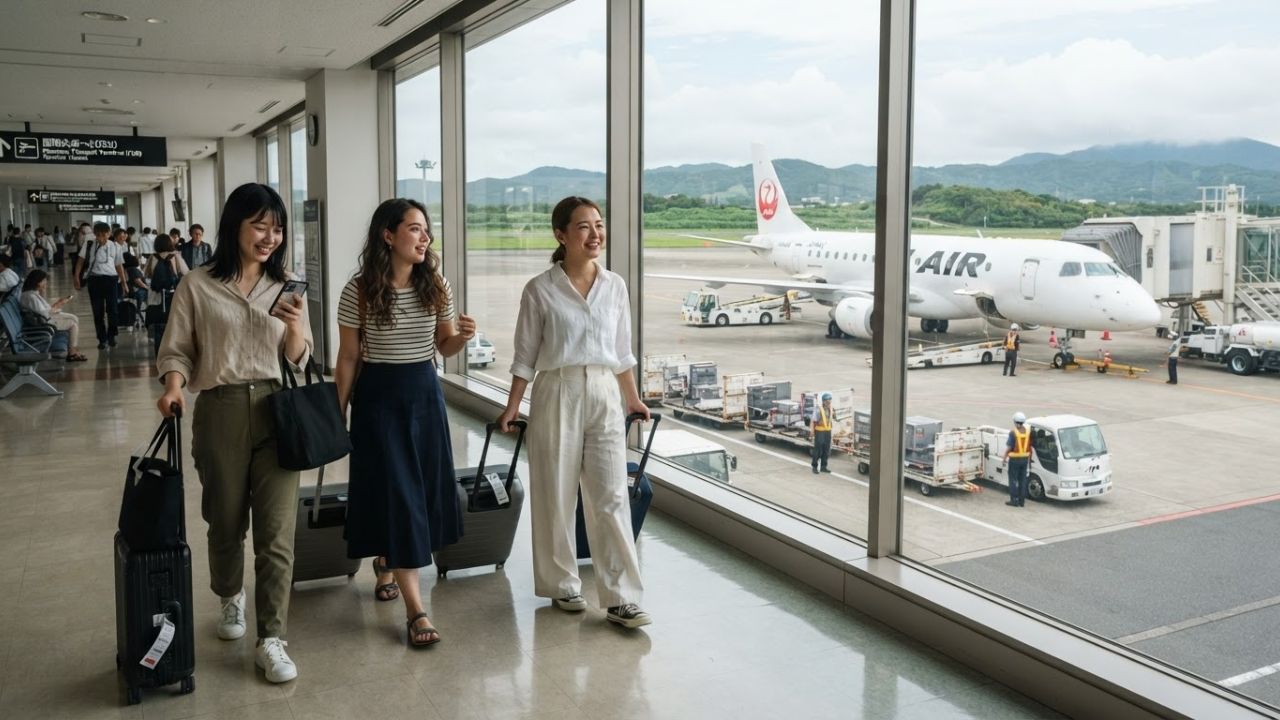
Image generated by AI
Japan Airlines has introduced temporary flight schedules between Fukuoka and Kagoshima from August 1 to August 5, 2026, to support travelers affected by regional transport disruptions in Kyushu. This emergency capacity expansion bypasses offline rail networks, prompting tourists to check booking policies and refund options under Japanese aviation guidelines.
JAL Boosts Domestic Flights in Kyushu
Our analysis of domestic flight registry updates indicates that Japan Airlines (JAL) has approved a temporary increase in operations between Fukuoka Airport (FUK) and Kagoshima Airport (KOJ). The schedule additions, active from August 1 through August 5, 2026, were introduced to handle the surge in travel demand following suspensions on Kyushu's primary rail corridors verified by Japan Airlines schedule logs. These extra departures provide travelers, including international tourists and business commuters, with an alternative transit option to cross the island.
Fukuoka serves as a major entry point for international travelers in southern Japan, while Kagoshima attracts visitors with hot springs and volcanic geographic features. When major rail routes face closures, domestic air travel plays a vital role in maintaining travel connectivity. JAL's operations teams coordinated with airport coordinators at both terminals to allocate gate slots and secure aircraft for these unscheduled rotations.
Regional Travel Schedules and Terminal Breakdown
The temporary schedule expansion operates across key domestic terminals in southern Japan:
- Fukuoka Airport (FUK): The main Northern Kyushu terminal handles additional departures and processes boarding for Kagoshima flights.
- Kagoshima Airport (KOJ): The Southern Kyushu facility manages additional passenger arrivals and coordinates local resort transfers.
- Kyushu Transit Network: The extra flights bypass regional rail outages, helping travelers complete their multi-stop itineraries.
- Domestic Operations Desk: JAL dispatchers coordinate crew schedules and turboprop aircraft slots to support these temporary flights.
Passenger Rights & Advisory (Information Gain & Experience)
For travelers booking emergency domestic flights in Japan during transit closures, verifying refund options and booking rules is essential. Our analysis of domestic aviation guidelines highlights the following rights:
- MLIT Guidelines on Disrupted Travel Reimbursements: Under Ministry of Land, Infrastructure, Transport and Tourism (MLIT) guidelines, if your domestic flight is delayed or cancelled due to controllable carrier issues, you are entitled to rebooking on the next available flight or a full cash refund of your fare. If the cancellation is caused by force majeure, such as extreme weather, airlines are not legally required to cover hotel stays or ground transportation costs.
- Joint Rail-Air Ticket Re-routings: If you purchased your ticket through a travel agency combining JR Kyushu Shinkansen rail passes with domestic flights, contact your agency immediately. Under local rules, if the rail component is suspended, passengers can often apply for partial rail refunds while keeping their domestic air bookings active.
- Commuter Checked Luggage Rules: Domestic flights in Japan operate under strict weight rules, particularly when regional turboprop planes are deployed. Travelers should check baggage dimensions early, as carry-on limits for domestic routes under 100 seats are lower than on standard mainline jets.
Industry Analyst View
The temporary schedule expansion by JAL highlights how regional air routes provide vital backup options during major ground transit disruptions. Maintaining flexible fleet networks allows airlines to adjust capacity quickly to minimize economic losses for local tourism businesses.
However, operating unscheduled flights requires close coordination between airline dispatchers and local airport teams to prevent slot congestion. To support future travel demands, transport authorities must integrate booking systems across rail and air travel sectors. This coordination remains key to securing passenger trust and maintaining high travel reliability as regional transport demands continue to evolve.
Related Travel Guides
Disclaimer
This article is for informational and educational purposes only. It does not constitute legal, financial, or professional advice. While we strive to provide accurate and up-to-date information, travel policies, regulations, and conditions change rapidly. Always verify information with official sources before making travel decisions. Nomad Lawyer makes no representations about the accuracy, reliability, completeness, or suitability of the information provided. Readers should consult qualified professionals for advice specific to their circumstances. The views expressed in this article are those of the author and do not necessarily reflect the views of Nomad Lawyer.
Kunal K Choudhary
Co-Founder & Contributor
A passionate traveller and tech enthusiast. Kunal contributes to the vision and growth of Nomad Lawyer, bringing fresh perspectives and driving the community forward.
Learn more about our team →