
Italy Shifts Tourism Strategy for 2026: Diversification Toward Hidden Lakes and Coastal Villages
Italy's 2026 tourism strategy targets a redistribution of visitor flows from saturated hotspots to lesser-known lakes and coastal towns to combat overtourism.

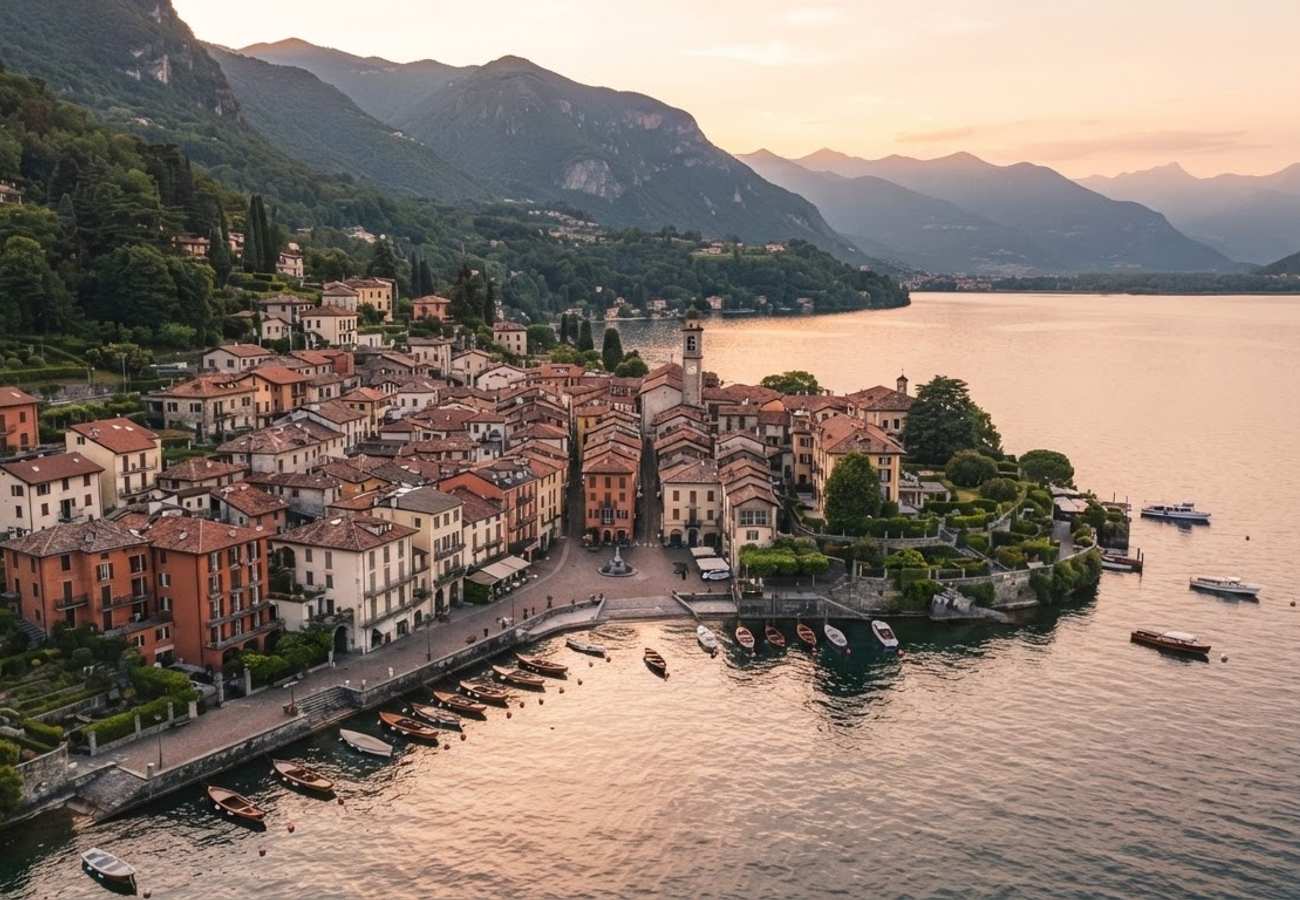
Image generated by AI
Italy is aggressively redirecting tourist traffic away from saturated hubs like Venice and the Amalfi Coast. New national data indicates that small municipalities are now outpacing national growth averages in overnight stays.
Strategic Shift in Italian Visitor Distribution
Analysis of 2025 European visitor data reveals a systemic shift in travel habits. Travelers are increasingly avoiding classic resorts during July and August to escape extreme summer heat and the effects of overtourism. While Lazio and Tuscany remain primary draws, there is a measurable trend toward off-peak seasons and rural regions.
Ministry figures confirm that small municipalities recorded growth in arrivals and overnight stays that exceeded the national average in 2025. Projections for 2026 suggest that Italy’s small towns alone could attract over 21 million arrivals and approximately 80 million overnight stays. These volumes now rival the traffic seen in the country's major art cities.
The Organisation for Economic Co-operation and Development (OECD) notes that Italy’s tourism plan through 2027 prioritizes "balanced" development. The objective is to redistribute visitor flows to maintain national employment and exports while reducing the physical and infrastructural strain on famous urban centers.
Regional Impact Breakdown: Lakes and Coasts
Flight tracking and regional travel data indicate a pivot toward secondary destinations. Travelers are increasingly utilizing regional transport hubs to access the following areas:
Northern and Central Lakes
- Lake Maggiore & Lake Orta: Towns such as Baveno and Stresa are seeing increased traffic as alternatives to Lake Como.
- Lazio Region: Posta Fibreno is emerging as a primary day-trip destination from Rome and Naples for hikers and nature enthusiasts.
- Climate Driver: Persistent heatwaves are pushing domestic and international travelers toward higher-altitude lake environments as a compromise between beach holidays and mountain retreats.
Coastal Diversification
- Ligurian Coast: Demand is shifting from Cinque Terre toward smaller communities including Camogli and Cervo.
- Southern Italy: Calabria, Basilicata, and Puglia are identified as "next wave" Mediterranean escapes. Calabria specifically is seeing growth from travelers priced out of northern resorts.
- Tyrrhenian Shoreline: Sperlonga and Vico Equense are seeing increased recommendations from North American visitors seeking quieter bases near the Bay of Naples.
Passenger Rights & Advisory: Navigating Regional Italy
For the passenger transitioning from major hubs to these "hidden" destinations, the logistical experience differs significantly from the standard Rome-Florence-Venice circuit.
Transportation and Rebooking Rights Our analysis of regional transit suggests a heavy reliance on regional trains and local bus networks. Passengers should be aware that:
- Regional Delays: Unlike high-speed Frecciarossa lines, regional trains may have fewer recovery options during disruptions.
- EU 261/2004 Application: While EU261 primarily covers air travel, passengers booking integrated rail-air packages should verify if their travel insurance covers "missed connection" scenarios caused by regional transit failures.
- Ticketing: For those using regional trains to reach towns like Camogli or Cervo, ensure tickets are validated to avoid heavy on-board fines, which are strictly enforced in smaller municipalities.
Accommodation and Local Regulations Many small towns are implementing local regulations to manage crowd flows. Travelers should verify "Tourist Tax" (Tassa di Soggiorno) requirements, which vary by municipality and are typically paid in cash upon checkout.
Industry Analyst View: The "Luminous Destinations" Framework
The transition toward decentralized tourism is not organic but a managed policy. The "Luminous Destinations 2026" initiative is a strategic award program designed to spotlight locations that maintain cultural vitality without sacrificing landscape protection.
By incentivizing "responsible travel," Italian authorities are attempting to extend the tourism season beyond the summer peak. This strategy supports underserved rural economies and protects heritage sites from the degradation associated with mass tourism. The shift suggests that by 2027, the "standard" Italian itinerary will be fundamentally restructured to favor the borgo (small village) over the metropolis.
The era of the "Instagram-saturated" Italian holiday is giving way to a managed, distributed model of exploration.
Related Travel Guides
Disclaimer
This article is for informational and educational purposes only. It does not constitute legal, financial, or professional advice. While we strive to provide accurate and up-to-date information, travel policies, regulations, and conditions change rapidly. Always verify information with official sources before making travel decisions. Nomad Lawyer makes no representations about the accuracy, reliability, completeness, or suitability of the information provided. Readers should consult qualified professionals for advice specific to their circumstances. The views expressed in this article are those of the author and do not necessarily reflect the views of Nomad Lawyer.
Raushan Kumar
Founder & Lead Developer
Full-stack developer with 11+ years of experience and a passionate traveller. Raushan built Nomad Lawyer from the ground up with a vision to create the best travel and law experience on the web.
Learn more about our team →