
Italy Eco-Tourism: Stanley Hotels Expands Luxury Footprint in Tuscany and Puglia
Stanley Hotels is expanding its boutique hospitality presence across Italy and Portugal, launching five-star eco-resorts in Tuscany and Apulia.

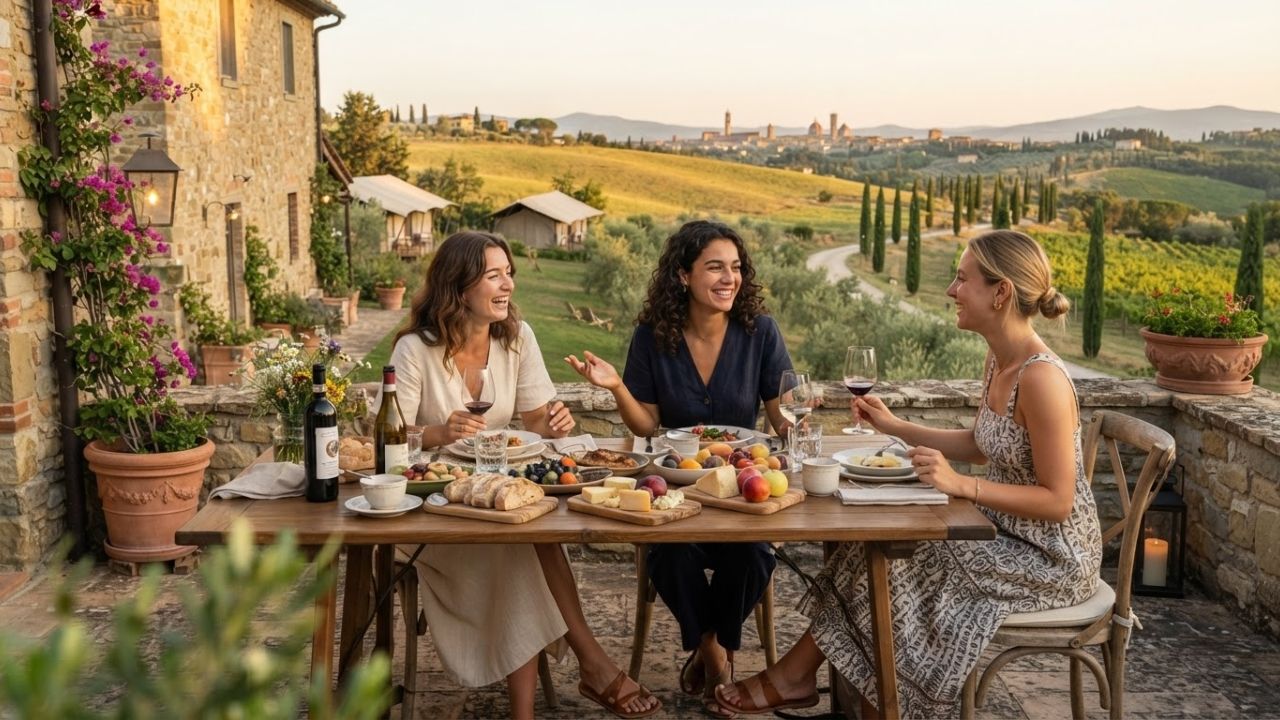
Image generated by AI
Stanley Hotels is expanding its boutique hospitality presence across Italy and Portugal, launching five-star eco-resorts in Tuscany and Apulia that combine traditional farmhouse hospitality with luxury glamping for high-end international travelers.
The European luxury travel market is undergoing a structural shift as high-net-worth travelers move away from large-scale corporate hotels and seek exclusive, nature-centric experiences. Travelers from the United States, United Kingdom, Germany, Switzerland, and Northern Europe are increasingly prioritizing privacy, authenticity, and environmental integration when selecting destinations. This shifting consumer demand is driving an intense rivalry between Europe’s leading tourism markets, with Italy challenging France and Spain for the region's eco-luxury crown.
At the forefront of this boutique expansion is Stanley Hotels, led by founder and managing partner Stan Zingel. The group is implementing a strategic growth plan that targets premium destinations in Italy and Portugal, focusing on properties that maintain a strict boutique identity with typically only 60 rooms. By limiting property scale, the group can deliver highly personalized services while fostering a direct connection between guests and the regional environment.
Tuscany and Puglia Lead Italy's Countryside Expansion
Tuscany is the centerpiece of Stanley Hotels’ new development strategy. The brand is launching high-end eco-resorts situated approximately 45 minutes from Florence. Rather than replicating standard urban lodging structures, these properties combine five-star farmhouse hospitality with refined luxury camping experiences. This design allows guests to stay in rural settings while accessing premium customer services. The new resorts will support the brand's existing five-star luxury hotel in Florence, creating a network that links city breaks with countryside escapes. This allows travelers to spend three nights exploring Florence’s historic art galleries before retreating to the Tuscan hills for outdoor recreation and relaxation.
Beyond Tuscany, the expansion targets several key Italian regions:
- Puglia (Apulia): The company is preparing a resort development project in this southern region, capturing demand for coastal and countryside tourism among travelers seeking traditional villages, white-sand beaches, and historic olive groves.
- Rome: A future luxury presence in the capital will target heritage and cultural tourism. A luxury presence in Rome would allow Stanley Hotels to reach travelers interested in heritage tourism and exclusive city stays.
- Milan: The group is seeking properties to access the high-volume fashion, design, and business traveler markets.
Expanding the Footprint into Portugal's Luxury Corridors
Following its major investments in Italy, Stanley Hotels is expanding its pipeline into Portugal. Over the coming two years, the group plans to construct boutique hotel units in the Algarve and along the Douro River. These destinations reflect the brand’s focus on experience-based travel. The Algarve project will target the region’s established appeal for wellness tourism, beaches, and premium golf resorts. Meanwhile, the Douro River expansion will focus on scenic river environments and regional wine tourism, allowing guests to explore Portugal’s historic vineyards and ancient terraced valleys.
To support this expansion and strengthen international sales, the group has increased its marketing presence on luxury travel platforms, most notably ILTM Cannes. This platform allows Stanley Hotels to directly target specialized travel agents, high-end destination coordinators, and international travel consultants. This business-to-business marketing is supported by targeted consumer campaigns, designed to attract travelers interested in custom, boutique itineraries across southern and southwestern Europe.
Integrating Culinary Innovation, Entertainment, and Technology
A key component of the brand's hospitality model is the integration of innovative dining and entertainment concepts. The group is expanding its Bubbles and Lobster restaurant brand across Italy, serving Italian seafood in an informal, vibrant dining environment. Currently operating in Amsterdam and Florence, the concept combines high-quality ingredients with a relaxed social atmosphere. The Bubbles and Lobster menu features Italian seafood dishes paired with premium wines, creating an informal and vibrant dining environment that appeals to international visitors.
To enhance the guest experience, properties offer diverse entertainment-focused activities, including:
- In-suite yoga classes and wellness sessions.
- Oyster and caviar tastings led by culinary specialists.
- Rooftop dining experiences overlooking regional landmarks.
- Interactive masterclasses of karaoke for small private groups.
While maintaining a human-centric approach, the group uses digital tools to improve operational efficiency. This includes AI-based guest services, advanced CRM platforms, revenue management systems, and automated property monitoring systems that deliver personalized guest care. This entertainment-led strategy focuses on private events, couples, and small family groups rather than large conference business.
Sustainable Agriturismo and Local Community Support
Stanley Hotels’ Italian expansion is designed to comply with national agriturismo regulations, which require hospitality operations to remain secondary to active agricultural production. This legal framework ensures that luxury lodging operates in tandem with working farms. In accordance with Italian law, the properties will collaborate directly with local artisans, food producers, and agricultural suppliers. By sourcing ingredients from adjacent farms, the resorts support regional micro-economies and reduce food transport emissions.
This community-centric approach helps preserve traditional agricultural practices and ensures that luxury tourism spending directly benefits rural families. Registered properties will showcase their status in the national agriturismo directory under the official 'spighe' (ears of wheat) classification system, which grades properties on a scale of one to five based on comfort, sustainability, and service quality. For the traveler, this integration provides an authentic culinary experience that reflects the unique character of the host region, establishing a benchmark for responsible luxury travel that protects the environment.
Destination Expert Insider Tips for Luxury Travel in Italy
To help luxury travelers navigate their itineraries in Italy and support sustainable practices, destination specialists recommend the following practical tips:
- Avoid ZTL Driving Fines: Historic centers in Florence, Milan, and Rome enforce ZTL (Zona a Traffico Limitato) restrictions. Cameras automatically record unauthorized license plates, resulting in heavy fines. Park outside the historic core and use public transit or taxis.
- Verify Registered Agriturismo Status: Look for the official "spighe" (ears of wheat) classification when booking farmhouse stays. Registered properties are certified working farms that must source meals locally.
- Book Michelin and Boutique Dining Early: Dining spots like the Bubbles and Lobster restaurant in Florence see high demand during summer and winter weekends. Secure tables weeks before departure.
- Plan Around Shoulder Seasons: Visit Tuscany and Puglia during the shoulder months of April-May or September-October to enjoy milder weather and avoid peak summer crowds.
- Coordinate License Plates with Hotels: If your boutique hotel is located within a ZTL zone, provide your rental car license plate to the front desk immediately upon arrival so they can register it for temporary access.
Long-Term Outlook for European Eco-Luxury Tourism
The expansion of Stanley Hotels highlights the growing dominance of sustainable luxury in the European tourism market. As destinations like Italy and Portugal continue to invest in low-impact, high-value lodging, they strengthen their competitive edge against traditional mass tourism models.
By combining digital infrastructure with local heritage preservation, the boutique hotel sector is establishing a new standard for responsible travel. This balanced approach ensures that the expansion of tourism protects the natural and cultural resources that attract global travelers in the first place, guaranteeing sustainable growth for decades to come.
Related Travel Guides
Disclaimer
This article is for informational and educational purposes only. It does not constitute legal, financial, or professional advice. While we strive to provide accurate and up-to-date information, travel policies, regulations, and conditions change rapidly. Always verify information with official sources before making travel decisions. Nomad Lawyer makes no representations about the accuracy, reliability, completeness, or suitability of the information provided. Readers should consult qualified professionals for advice specific to their circumstances. The views expressed in this article are those of the author and do not necessarily reflect the views of Nomad Lawyer.
Kunal K Choudhary
Co-Founder & Contributor
A passionate traveller and tech enthusiast. Kunal contributes to the vision and growth of Nomad Lawyer, bringing fresh perspectives and driving the community forward.
Learn more about our team →