
ITA Airways Expands Wide-Body Fleet to 30 Aircraft by 2030 to Drive Long-Haul Growth
ITA Airways reveals an aggressive expansion strategy at Routes Europe 2026, increasing its wide-body fleet to 30 aircraft by 2030 and launching new long-haul routes to Boston and Santo Domingo.

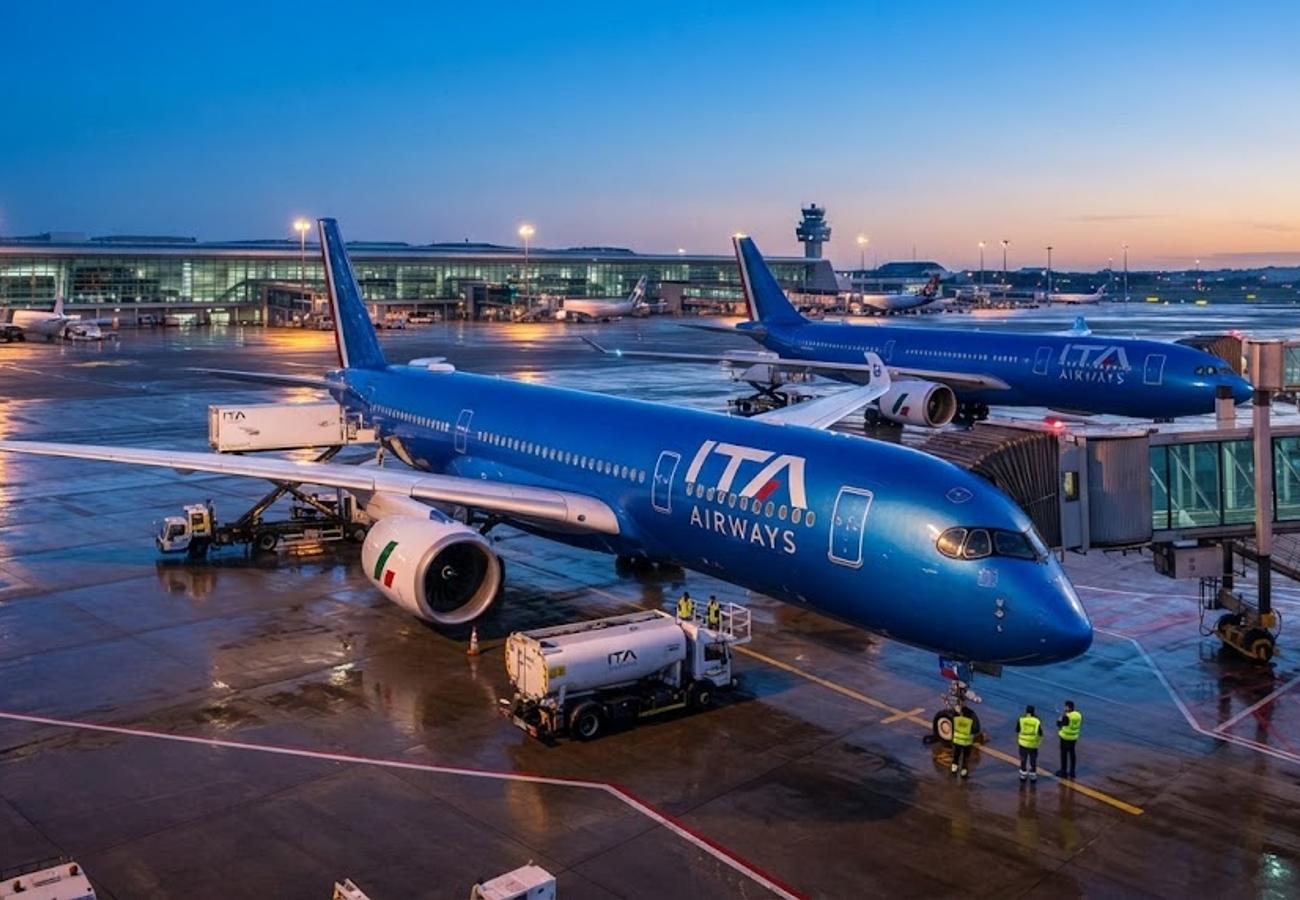
Image generated by AI
ITA Airways is scaling its intercontinental operations by expanding its wide-body fleet from 23 to 30 aircraft by 2030. This growth is underpinned by a strategic cooperation with Lufthansa and a diversified network now serving 75 destinations.
Strategic Fleet and Network Expansion
At the Routes Europe 2026 summit in Rimini, ITA Airways detailed a comprehensive roadmap to strengthen Italy's global aviation connectivity. Maria Angela Aguzzi, Head of Fleet Network and Alliances, confirmed that the airline is prioritizing long-haul growth to transform Rome and Milan into more competitive international hubs.
The airline currently operates a network of 75 destinations. The growth strategy integrates domestic connectivity, seasonal European routes, and a significant increase in intercontinental capacity. A core component of this evolution is the deepening cooperation with Lufthansa, designed to optimize network reach and passenger flow.
Flight and Route Impact Breakdown
The expansion is divided into three primary segments: intercontinental growth, seasonal leisure surges, and domestic connectivity.
Long-Haul and Intercontinental Developments
- Rome–Boston: Launched on May 2, 2026, this route establishes a direct link between Italy and a primary U.S. hub for education and business.
- Rome–Santo Domingo: Scheduled for launch in Winter 2026, targeting counter-seasonal leisure demand in the Dominican Republic.
- Existing Long-Haul Leisure: Continued focus on high-demand winter destinations including Malé and Mauritius.
Summer 2026 Seasonal Services
- Italian Islands: Increased capacity to Pantelleria, Lampedusa, and Trapani (Sicily) to meet peak leisure demand.
- Mediterranean Hubs: Expanded services to Málaga, Marseille, Valencia, and Alicante.
- European Islands: Additional flights to Greek and Spanish island destinations.
Fleet Scaling Targets
- Current Wide-Body Fleet: 23 aircraft.
- 2030 Target: 30 aircraft.
Passenger Rights & Advisory
For passengers booking these new and expanding routes, the shift in fleet size and partnership with Lufthansa introduces specific considerations regarding consumer rights and booking logistics.
Rebooking and Compensation Rights Since ITA Airways operates within the EU, passengers are protected under Regulation (EC) No 261/2004. For the affected passenger, this means:
- Flight Cancellations: If a new long-haul route (such as Rome–Boston) is cancelled or delayed by more than 3 hours, passengers may be entitled to compensation ranging from €250 to €600, depending on the distance.
- Duty of Care: During significant disruptions, the airline must provide meals, refreshments, and hotel accommodation if an overnight stay is required.
Lufthansa Cooperation Implications Our analysis of the Lufthansa cooperation suggests that passengers may see more seamless codeshare options. However, passengers should verify the "operating carrier" of their flight. If a ticket is sold by ITA but operated by Lufthansa (or vice versa), the operating carrier is generally responsible for the immediate handling of disruptions, though the ticketing carrier remains responsible for re-routing.
Seasonal Travel Warnings The heavy reliance on seasonal routes to islands like Lampedusa and Pantelleria means capacity is highly volatile. Passengers are advised to book these specific regional legs early, as these routes are prone to overbooking during the July-August peak.
Industry Analyst View
The decision to increase the wide-body fleet by nearly 30% by 2030 signals ITA Airways' intent to move beyond being a regional player and compete directly with other major European flag carriers on transatlantic and transcontinental routes.
By introducing "counter-seasonal" routes like Santo Domingo, the airline is mitigating the traditional aviation slump seen in European winters. This diversification of the revenue stream, combined with the Lufthansa alliance, reduces the financial risk associated with the high capital expenditure of adding seven new wide-body aircraft. The focus on Rome as a connecting hub rather than just a destination is the critical pivot required for long-term sustainability.
Italy's aviation landscape is shifting from fragmented regional services to a consolidated global gateway strategy.
Related Travel Guides
Disclaimer
This article is for informational and educational purposes only. It does not constitute legal, financial, or professional advice. While we strive to provide accurate and up-to-date information, travel policies, regulations, and conditions change rapidly. Always verify information with official sources before making travel decisions. Nomad Lawyer makes no representations about the accuracy, reliability, completeness, or suitability of the information provided. Readers should consult qualified professionals for advice specific to their circumstances. The views expressed in this article are those of the author and do not necessarily reflect the views of Nomad Lawyer.
Kunal K Choudhary
Co-Founder & Contributor
A passionate traveller and tech enthusiast. Kunal contributes to the vision and growth of Nomad Lawyer, bringing fresh perspectives and driving the community forward.
Learn more about our team →