
Is Gulf Travel Safe? Essential UAE Aviation and Airport Security Updates
UAE aviation authorities have implemented enhanced biometric screenings and security protocols at Dubai and Abu Dhabi airports in August 2026.
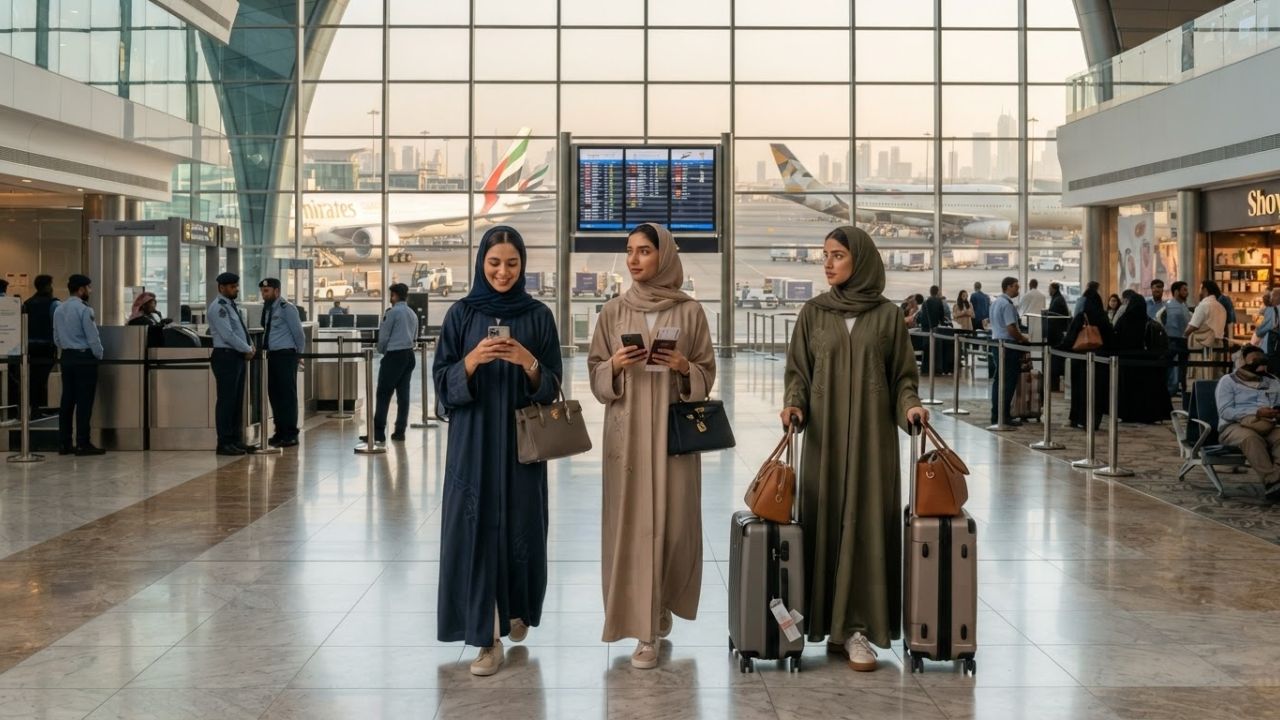
Image generated by AI
UAE aviation and airport authorities have reinforced biometric screenings and security protocols at Dubai and Abu Dhabi airports.
The Core Transit Update
Commercial aviation corridors and international passenger routing in the Gulf region remain operational despite ongoing geopolitical tensions. In August 2026, the UAE General Civil Aviation Authority (GCAA) and airport operators at Dubai International (DXB) and Zayed International (AUH) in Abu Dhabi have reinforced security screening procedures.
While regional diplomatic mediation continues via Oman, air travel continues normally. However, travelers must navigate enhanced biometric check-ins and baggage inspection protocols to guarantee safety over strategic waterways like the Strait of Hormuz.
Traveler Security Protocols & Regional Geopolitical Variables
Coordinating flight arrivals across the UAE requires matching airport lead times with regional transit conditions. The following tables outline current security guidelines and geopolitical factors.
| Security Check / Protocol | Recommended Lead Time | Operational Objective | Core Transit Agency |
|---|---|---|---|
| Early Airport Arrival | 3 to 4 hours before departure | Clear biometric screening and bag checks | UAE Airport Authorities |
| Enhanced Security Screening | Mandatory at terminal gates | Passenger safety & risk mitigation | General Civil Aviation Authority |
| Biometric Registration | Pre-entry check-in halls | Speed up immigration & border controls | UAE Ministry of Interior |
Recommended traveler protocols and security guidelines at UAE gateways.
| Geopolitical Conflict Zone | Primary Strategic Conduit | Mediation Coordinator | Key Operational Conditions |
|---|---|---|---|
| Strait of Hormuz | Global energy & commerce waterway | Sultanate of Oman | Cessation of hostilities & lifting of sanctions |
Geopolitical variables affecting Gulf transit corridors in August 2026.
Traveler Logistics Guide
From a ground-level perspective, the best way to navigate this is to arrive at DXB or AUH at least three to four hours before your international flight, as this extra cushion ensures you can clear the newly expanded biometric gates and security lines without missing boarding gates. Checking customs guidelines is recommended.
To plan your transit through UAE air terminals:
- Digital Document Registry: Keep all digital and printed boarding passes, visas, and passport pages easily accessible. Security checkpoints utilize automated scanners that require clear alignments.
- Flight Status Updates: Download your airline's mobile app and verify that contact details are current to receive instant SMS notifications regarding route deviations or gate changes.
- Consular Resources: Save the direct coordinates of your home nation's embassy or consulate in Abu Dhabi to access regional emergency help if needed.
- Flexible Bookings: Prioritize booking tickets with flexible cancellation or re-routing options, as airlines may alter flight path coordinates to bypass volatile airspace corridors.
Infrastructure Impact Assessment
The implementation of advanced risk management frameworks and biometric checkpoints at UAE gateways supports long-term tourism resilience. By maintaining consistent operations while managing airspace variables, the GCAA protects high-value business travel and hotel occupancy rates.
These safety routines allow Dubai and Abu Dhabi to continue functioning as crucial global transit nodes, ensuring that passenger confidence remains protected during periods of regional tension.
Related Travel Guides
Emirates Extends Bahrain and Kuwait Flight Suspensions Amid Airspace Alerts
Disclaimer
This article is for informational and educational purposes only. It does not constitute legal, financial, or professional advice. While we strive to provide accurate and up-to-date information, travel policies, regulations, and conditions change rapidly. Always verify information with official sources before making travel decisions. Nomad Lawyer makes no representations about the accuracy, reliability, completeness, or suitability of the information provided. Readers should consult qualified professionals for advice specific to their circumstances. The views expressed in this article are those of the author and do not necessarily reflect the views of Nomad Lawyer.