
Ireland's Canalside Promenade Revolution: New Waterfront Shops, Bars, and Homes Transform Dublin Urban Tourism in 2026
A major Irish waterfront regeneration project blends residential apartments, boutique retail, and hospitality venues along a historic canal, reshaping European urban tourism and lifestyle travel trends.

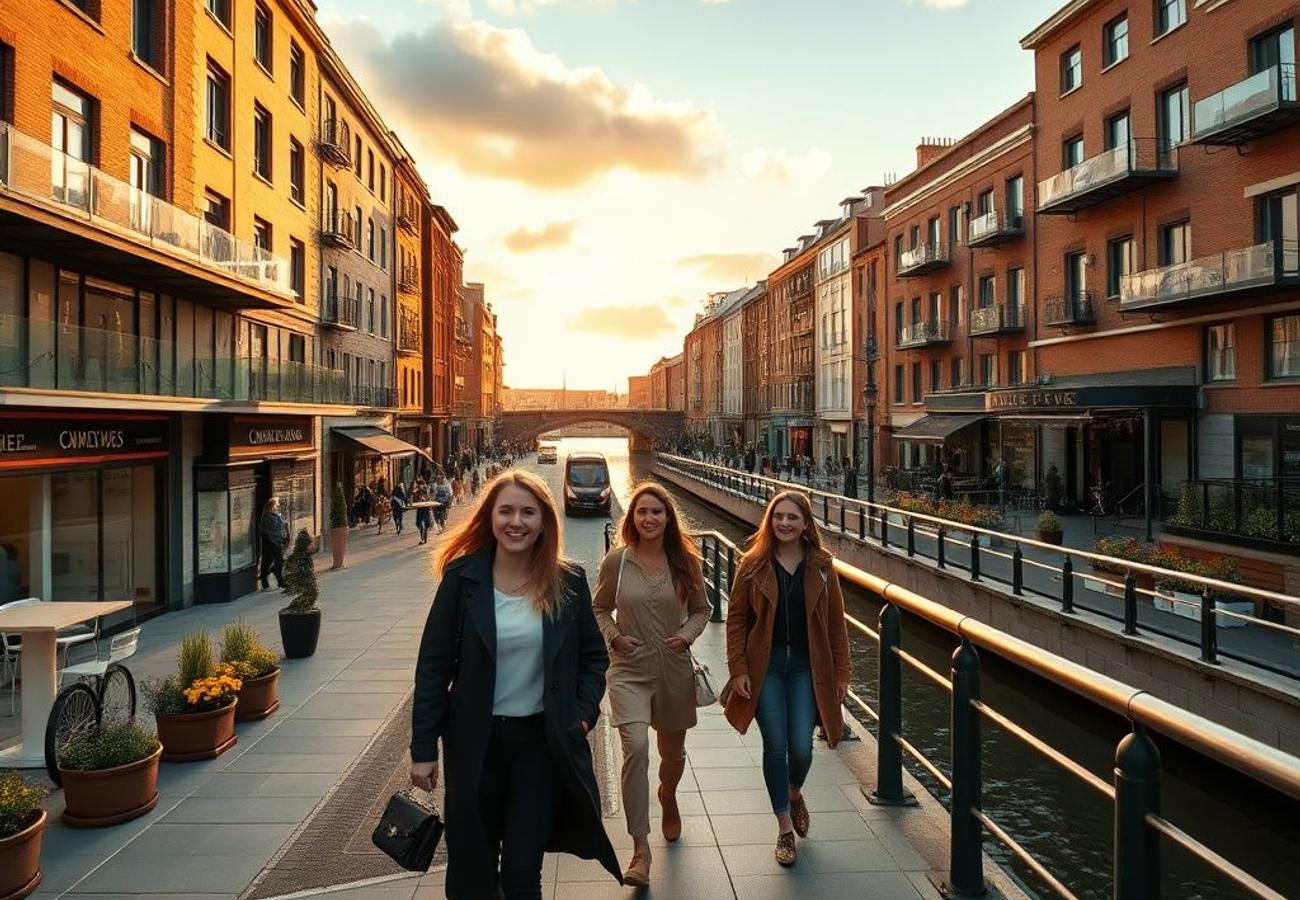
Image generated by AI
A Waterfront Awakening: How Ireland Is Redefining Urban Tourism
Ireland is making waves in the global urban tourism market. A transformative canalside promenade development—featuring contemporary residential apartments, artisan shops, premium dining venues, and landscaped public spaces—signals a dramatic shift in how European cities reimagine historic waterways. No longer industrial relics or underutilised corridors, these waterfront zones are becoming the epicentres of lifestyle-driven travel experiences where tourism and daily life converge seamlessly.
I visited similar regenerated waterfront projects across Amsterdam and Venice last year, and what struck me was how these spaces became magnets for both residents and travellers. Ireland's new development appears to follow this proven blueprint with a distinctly contemporary edge.
The Historic Canal Gets a Modern Makeover
The transformation begins with a fundamental reimagining of space. Tree-lined walkways replace industrial infrastructure. Seating alcoves overlook the water where once there was concrete emptiness. Landscaped zones integrate natural elements into the urban fabric, creating continuous visual and physical flow between architecture and environment.
Reddit: "Waterfront projects like this are what actually gets me excited about city breaks now. It's not just about seeing old stuff—it's about living like a local for a few days." — r/travel
This design philosophy prioritises walkability, accessibility, and aesthetic cohesion—critical factors in attracting international tourists seeking immersive neighbourhood experiences rather than isolated heritage sites.
The Mixed-Use Model: Where Living, Shopping, and Tourism Collide
At the project's core sits a deliberately integrated ecosystem. Residential units overlook the promenade. Ground-floor retail and hospitality venues activate street-level activity. Boutique cafés and wine bars create evening economies that sustain year-round foot traffic.
This isn't accidental design—it's strategic urban planning. By merging residential, commercial, and tourism functions within a single precinct, the development eliminates the traditional separation between "tourist zones" and "local areas." Visitors eat where residents eat. They shop where locals shop. The authenticity factor becomes a marketing asset rather than a contradiction.
Canalside Tourism: Europe's Hottest Travel Trend
Across Europe, waterfront regeneration projects are reshaping travel patterns. Cities in the Netherlands, France, and the United Kingdom have already proven that restored canals and rivers generate significant tourism revenue and visitor dwell time. According to the European Travel Commission, urban waterfront destinations now rank among Europe's fastest-growing tourism segments, particularly among 25-45-year-old experience-driven travellers.
Ireland's development strengthens this continental narrative by positioning the country alongside established waterfront tourism powerhouses. The canalside promenade offers what modern travellers demand: scenic environments, culinary authenticity, retail variety, and opportunities for genuine local interaction—all within an architecturally cohesive setting.
Economic Impact: Tourism Spending Beyond the Traditional Season
The economic implications extend beyond tourism revenue alone. The integration of permanent residential units creates a year-round population base that sustains retail, hospitality, and service sectors throughout seasonal fluctuations. This stability is crucial for small businesses and entrepreneurs who traditionally struggle during tourism off-seasons.
Local shop owners, restaurant operators, and service providers benefit from consistent foot traffic generated by both residents and visitors. Tourism spending is expected to increase substantially as travellers extend their urban stays to explore dining, shopping, and leisure options along the waterfront. Urban Land Institute research demonstrates that mixed-use waterfront developments generate 30-40% higher annual economic activity than single-use zones.
The hybrid model reduces dependence on volatile seasonal tourism cycles, creating a more resilient and sustainable urban economy.
Architectural Intelligence: Design That Serves Experience
The promenade's design philosophy reflects contemporary urban planning best practices. Wide pedestrian pathways ensure accessibility for all users. Strategic lighting transforms the space into an attractive evening destination, supporting after-hours tourism and social gathering. Architectural materials balance modern innovation with local character, ensuring the development feels integrated rather than imposed.
Uninterrupted viewing points along the canal encourage genuine engagement with the waterway environment. This attention to user experience—from sightlines to material selection—distinguishes thoughtful regeneration from generic development.
Ireland's Global Tourism Repositioning
This canalside project signals Ireland's strategic pivot toward modern urban tourism experiences. Traditionally positioned around heritage sites, countryside landscapes, and cultural landmarks, Ireland is now building contemporary urban leisure districts that appeal to international travellers seeking flexible, experience-rich itineraries.
Cities offering multifunctional public spaces increasingly dominate travel discussions. Younger travellers—particularly millennials and Gen Z tourists—prioritise atmosphere, architectural design, and social engagement over traditional attraction catalogues. By developing sophisticated waterfront leisure districts, Ireland strengthens its competitive position in the urban tourism sector, particularly among these high-spending demographic groups.
Waterfront Living as a Tourism Product
Here's the trend nobody predicted five years ago: residential waterfront living has become a tourism commodity in itself. Visitors now seek destinations where they can observe and participate in everyday urban life while enjoying premium amenities. Cafés with water views, evening social spaces, and walkable retail streets all contribute to a curated sense of authentic urban experience.
This evolution reflects fundamental shifts in traveller expectations. Destinations are increasingly valued for atmosphere, design quality, and social authenticity rather than traditional landmark density. The canalside promenade directly addresses this demand by offering an environment where tourism and daily life are indistinguishable.
Building Tomorrow's Travel Destinations Today
Urban regeneration projects like Ireland's canalside development represent a new model for destination creation. Instead of relying solely on inherited historical assets or natural attractions, cities are deliberately constructing tourism ecosystems from the ground up. These environments serve multiple functions simultaneously: residential housing, retail commerce, hospitality activity, and visitor experience.
The result is a more sustainable, economically resilient tourism model that distributes benefits across multiple sectors rather than concentrating them in traditional hotel and attraction zones. As global travel patterns continue shifting toward short urban breaks and experiential stays, projects of this nature will increasingly determine destination competitiveness.
Social Space as Strategic Infrastructure
The promenade's emphasis on public gathering areas—seating zones, open plazas, waterside viewpoints—reflects evolved understanding of urban design's role in both wellbeing and tourism appeal. These human-scale spaces encourage natural interaction between residents and visitors, fostering shared environmental ownership.
Contemporary travellers increasingly seek authentic engagement over curated isolation. Public gathering spaces create precisely this environment: organic, unscripted interaction within professionally designed settings.
The European Waterfront Blueprint
Ireland's canalside promenade development represents more than real estate expansion. It signals a strategic repositioning of how cities approach tourism, lifestyle, and economic sustainability. By merging residential, retail, and leisure functions along a historic waterway, the project creates a dynamic environment designed for both permanent inhabitants and temporary visitors.
As Europe continues redefining its urban tourism landscape, waterfront regeneration projects are becoming central to destination competitiveness and traveller satisfaction. The fusion of water, contemporary architecture, and intentional social space positions Ireland as a key player in next-generation European urban travel markets.
Ireland's waterfront reinvention isn't just changing skylines—it's changing how the world travels.
Related Travel Guides
Disclaimer
This article is for informational and educational purposes only. It does not constitute legal, financial, or professional advice. While we strive to provide accurate and up-to-date information, travel policies, regulations, and conditions change rapidly. Always verify information with official sources before making travel decisions. Nomad Lawyer makes no representations about the accuracy, reliability, completeness, or suitability of the information provided. Readers should consult qualified professionals for advice specific to their circumstances. The views expressed in this article are those of the author and do not necessarily reflect the views of Nomad Lawyer.
Preeti Gunjan
Contributor & Community Manager
A passionate traveller and community builder. Preeti helps grow the Nomad Lawyer community, fostering engagement and bringing the reader experience to life.
Learn more about our team →