
Iraq Expands eVisa System and Land Border Access to Boost Southern Mesopotamian Tourism in 2026
Iraq has transitioned to a unified electronic visa system and expanded land border access via Kuwait and Saudi Arabia to increase international tourism to ancient southern sites.

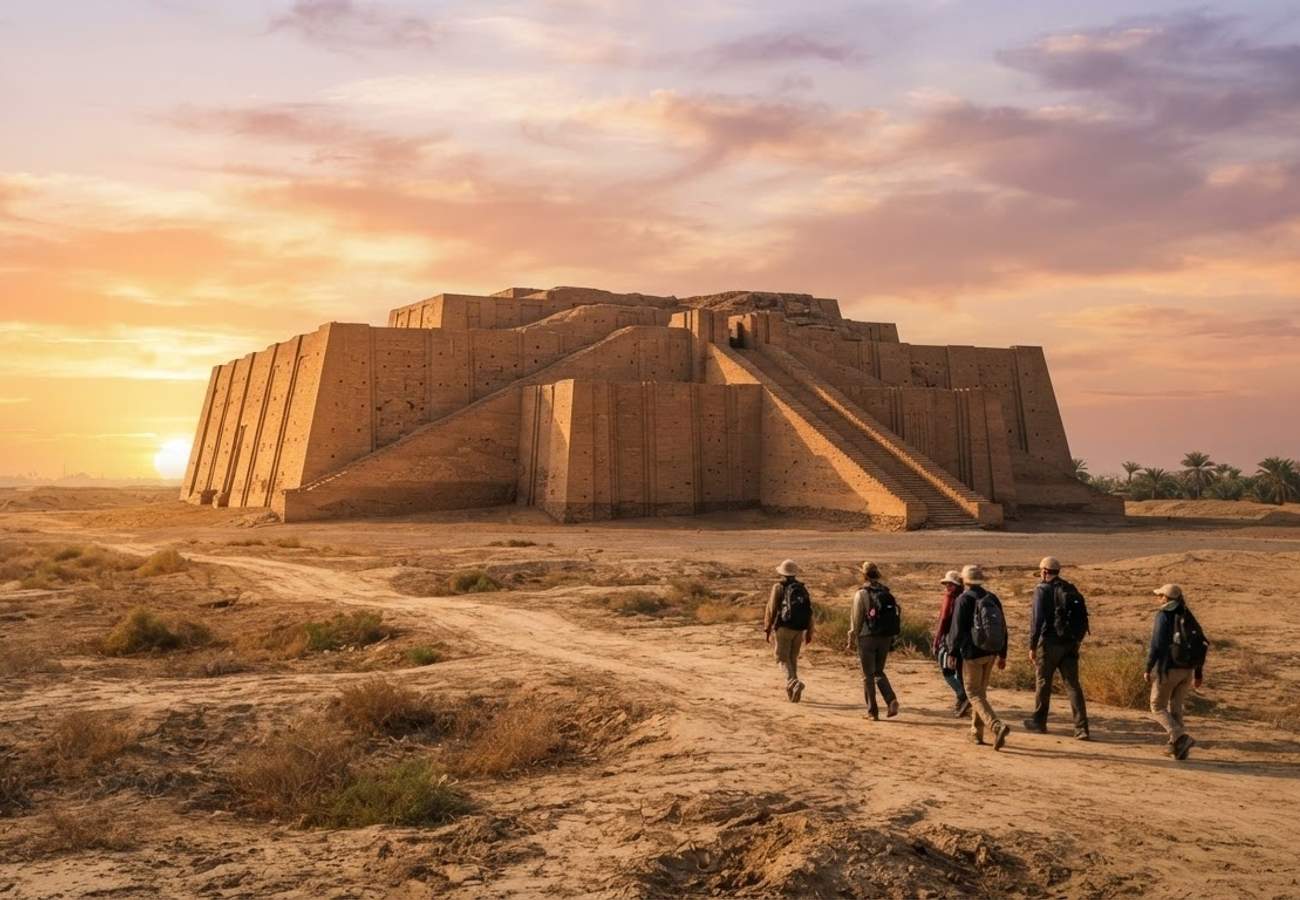
Image generated by AI
Iraq is aggressively digitizing its border controls and opening land-based corridors to shift its tourism profile. By replacing traditional visa-on-arrival processes with a unified electronic system, the country is lowering the barrier for international visitors seeking access to the cradle of civilization in southern Mesopotamia.
The Ministry of Interior has launched a unified electronic visa platform that streamlines entry for eligible citizens, removing the uncertainty of airport approvals. This digital shift is paired with a strategic focus on overland arrivals from the Gulf, specifically targeting travelers from Kuwait and Saudi Arabia.
Strategic Entry Points and Visa Eligibility
The transition to an eVisa system marks a pivot toward a more predictable arrival experience. This is particularly vital for high-value tourism segments and organized heritage tours.
- Eligible Nationalities: Citizens of the United States, United Kingdom, Canada, Japan, the European Union, and GCC countries, among other approved markets.
- Scope of Access: 40+ nationalities are now eligible for the electronic system.
- Duration of Stay: The tourist eVisa permits a reported stay of 60 days.
- Unified Jurisdiction: The system covers both Federal Iraq and the Kurdistan Region, allowing for seamless multi-destination itineraries.
Overland Access: The Southern Corridor
While Baghdad remains the primary air hub, the Iraqi government is prioritizing land gateways to facilitate direct access to the south, bypassing the need for domestic transfers from the capital.
The Safwan Gateway (Kuwait Border) Safwan serves as the primary road link between Kuwait and Iraq. For regional travelers, this route provides a direct path into Basra, which functions as the logistical anchor for southern exploration. From Basra, travelers can move inland toward Nasiriyah and the Sumerian ruins of Ur.
The Arar Gateway (Saudi Arabia Border) The Arar crossing links northern Saudi Arabia directly to Iraq. This route is designed for organized group movements and short-break regional tourism, integrating Iraq into wider Gulf-based travel itineraries.
Southern Iraq Tourism Hubs
The convergence of digital visas and open borders is designed to funnel traffic into three primary southern clusters:
- Archaeological Sites: The city of Ur, famous for its monumental ziggurat, is the centerpiece of the southern heritage circuit.
- Religious Centers: Najaf and Karbala continue to draw millions of pilgrims, providing a robust existing hospitality infrastructure that cultural tourists can now leverage.
- Urban and Natural Landscapes: Basra offers a mix of urban attractions and access to the traditional Mesopotamian marshlands.
Iraq Entry and Logistics Summary
| Feature | Detail |
|---|---|
| Primary Air Gateways | Baghdad International Airport, Basra International Airport |
| Primary Land Crossings | Safwan (Kuwait), Arar (Saudi Arabia) |
| Official Currency | Iraqi Dinar (IQD) |
| Visa System | Unified Electronic Visa (eVisa) |
| Permitted Stay | 60 Days (Tourist eVisa) |
| Key Destinations | Ur, Babylon, Nineveh, Basra, Karbala, Najaf |
Why This Matters
From a logistical perspective, the removal of visa-on-arrival processes is the single most important update for the Western travel market. Historically, the "friction" of entry—uncertainty regarding paperwork at the border—deterred independent travelers and increased the cost for tour operators who had to bake in significant risk margins.
Our analysis of the route map suggests a strategic attempt to "de-center" Baghdad. By promoting the Safwan and Arar crossings, Iraq is attempting to create a southern tourism economy that is independent of the capital. For the traveler, this means the ability to build a "Gulf-to-Mesopotamia" road trip, combining the modern luxury of Kuwait or Saudi Arabia with the ancient history of Ur. This shifts Iraq from being a "destination of last resort" to a viable component of a broader Middle Eastern circuit.
Industry Outlook
Expect a surge in specialized "Heritage Circuits" in late 2026 and 2027. As the eVisa system stabilizes, we anticipate more boutique agencies will offer multi-stop itineraries combining Erbil in the north with the southern marshes and ziggurats.
The success of this initiative depends on the continued operational stability of the Safwan and Arar crossings. If these land routes remain fluid, Basra will likely evolve from a transit point into a major tourism hub in its own right, mirroring the growth seen in other regional gateway cities.
Iraq is effectively trading bureaucratic barriers for digital bridges to unlock its ancient assets.
Related Travel Guides
Disclaimer
This article is for informational and educational purposes only. It does not constitute legal, financial, or professional advice. While we strive to provide accurate and up-to-date information, travel policies, regulations, and conditions change rapidly. Always verify information with official sources before making travel decisions. Nomad Lawyer makes no representations about the accuracy, reliability, completeness, or suitability of the information provided. Readers should consult qualified professionals for advice specific to their circumstances. The views expressed in this article are those of the author and do not necessarily reflect the views of Nomad Lawyer.
Preeti Gunjan
Contributor & Community Manager
A passionate traveller and community builder. Preeti helps grow the Nomad Lawyer community, fostering engagement and bringing the reader experience to life.
Learn more about our team →