
Indonesia Claims Top Spot for Solo Travel in Southeast Asia
Indonesia overtakes 10 regional competitors to become the premier solo travel destination in Southeast Asia in 2026, supported by robust arrivals data.

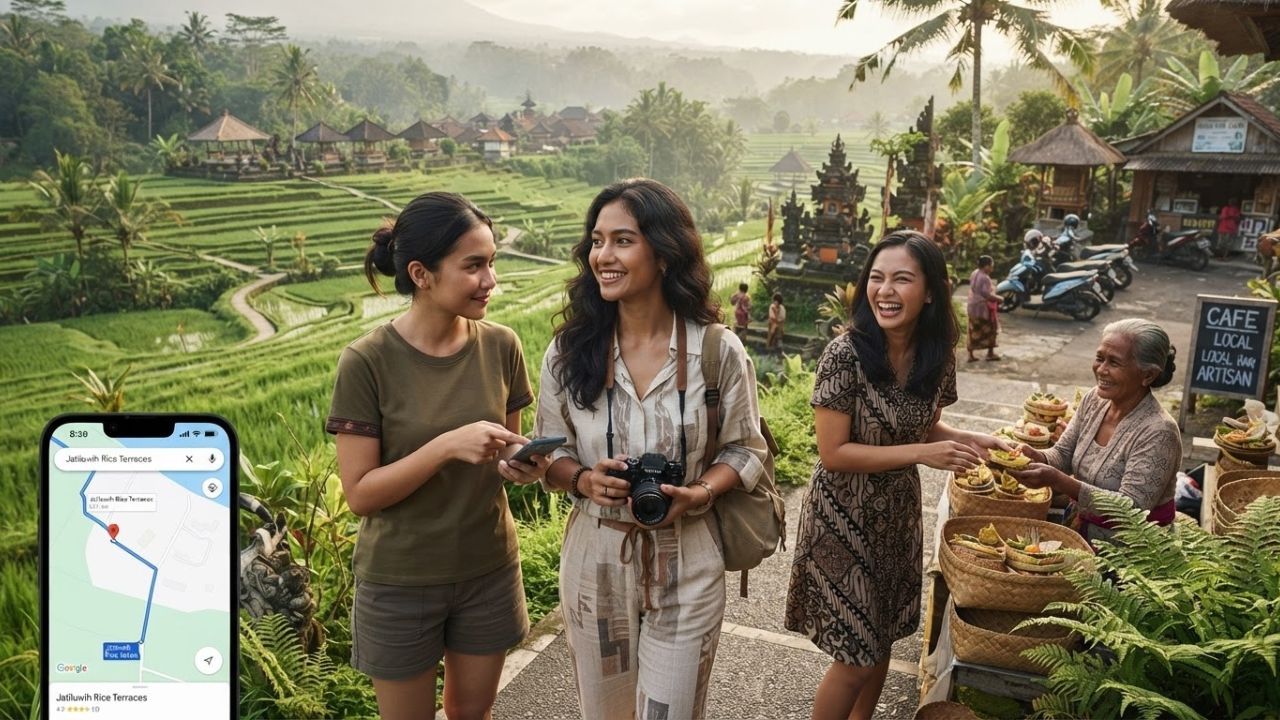
Image generated by AI
Indonesia has officially overtaken more than 10 regional competitors to claim the top spot as the best solo travel destination in Southeast Asia in 2026. According to official reports, the archipelago welcomed 7.45 million foreign tourists in the first half of the year, signaling a major shift toward high-value, independent exploration.
The Solo Travel Surge in Southeast Asia
The international tourism sector is experiencing a transition as independent travelers seek safe, culturally relevant, and immersive travel experiences. In Southeast Asia, solo travel is no longer a niche subculture dominated by gap-year students or budget backpackers. Instead, it has matured into a major economic driver, drawing remote workers, digital nomads, and independent wanderers.
By establishing these seasonal travel corridors, the airline's management aims to support both business and leisure travel flows. Corporate travelers and travel agencies, which maintain strong relationships with global destination management organizations, benefit from direct seat capacity. This economic integration supports the travel sector, providing service providers with a reliable channel for high-value bookings.
By establishing these seasonal travel corridors, the airline's management aims to support both business and leisure travel flows. Canadian corporate travelers and travel agencies, which maintain strong relationships with European and Asian destination management organizations, would benefit from direct seat capacity. This economic integration supports the travel sector, providing service providers with a reliable channel for high-value bookings.
By establishing these seasonal travel corridors, the airline's management aims to support both business and leisure travel flows. Canadian corporate travelers and travel agencies, which maintain strong relationships with European and Asian destination management organizations, would benefit from direct seat capacity. This economic integration supports the travel sector, providing service providers with a reliable channel for high-value bookings.
Modern solo travelers demand a balance of safety, high-speed digital connectivity, transparent visa regulations, and local community engagement. To capture this segment, regional tourism boards are upgrading transport links and digital services, making Southeast Asia a highly competitive travel market.
Overtaking More Than 10 Regional Competitors
Indonesia outmaneuvered more than 10 regional competitors to secure the top spot in regional solo travel rankings.
This localized disruption also offers a unique opportunity for duty-free retailers and terminal operators to design services suited for stranded passengers. By monitoring passenger comfort levels during long delays, airport customer teams can provide complimentary amenities to ensure guest satisfaction. This proactive approach helps build traveler confidence, ensuring that regional transit routes remain competitive with global hub standards.
Thailand, long considered a backpacking hub, faces challenges with overtourism, leading to visitor caps at popular heritage sites. Vietnam's Tier-2 and Tier-3 cities still experience infrastructure bottlenecks, while Malaysia lacks the extensive digital nomad ecosystem found in Indonesia. The Philippines faces inter-island transport challenges, and Singapore remains too expensive for extended solo stays. Other regional competitors, including Cambodia, Laos, Myanmar, Brunei, and Timor-Leste, have smaller tourism networks and fewer direct flight options.
By addressing safety, connectivity, and accommodation needs, the Indonesian government has successfully established the republic as a leading destination for independent travel.
The Strategic Dispersion Beyond Bali
A key component of Indonesia's tourism growth is the "10 New Balis" initiative, a strategic masterplan designed to replicate the economic success of Bali across the entire archipelago.
By developing infrastructure across its 18,000 islands, the government has encouraged solo travelers to explore emerging destinations. Independent explorers are bypassing southern Bali's resort zones to visit Labuan Bajo in East Nusa Tenggara, Lake Toba in North Sumatra, and the Borobudur temple compounds in Central Java.
These destinations offer boutique accommodations, reliable transit, and community-based ecotourism projects, helping to distribute tourist traffic and prevent overtourism in main centers.
Unpacking the H1 2026 Tourism Statistics
Official reports from Statistics Indonesia (Badan Pusat Statistik or BPS) confirm the growth of the nation's independent tourism market.
This environmental focus is supported by regional climatologists and conservationists who monitor ecosystem health. By tracking tourist footprint signals, managers can ensure that natural areas remain protected. The integration of carrying-capacity policies with wilderness trails demonstrates how tourism planning can protect biodiversity while offering high-quality educational hikes.
This localized culinary focus also offers a unique opportunity for restaurant associations and culinary schools to design programs suited for premium travelers. By monitoring passenger dining preferences during long stays, local chefs can provide customized dishes to ensure guest satisfaction. This proactive approach helps build traveler confidence, ensuring that Canadian urban dining remains competitive with global culinary standards.
Between January and May 2026, international tourist arrivals reached 6.07 million, representing a 7.68% increase compared with the same period in 2025. The first half of 2026 concluded with a total of 7.45 million arrivals, indicating a 5.71% year-on-year expansion. In the single month of May 2026, arrivals reached 1.38 million.
The H1 2026 demographic data shows that while Malaysians (21.58% of arrivals in May) and Singaporeans (9.89%) remain key markets, long-haul travel is rising, with Australians contributing 11.22% of visits. Additionally, 89% of solo travelers utilize platforms like TikTok and Instagram for trip planning, while over 42% cite culinary tourism as their primary travel motivation.
The average hotel occupancy across the nation rose to 48.2% in the first half of 2026, compared to 45.72% in H1 2025. Non-hotel bookings, including boutique villas and co-living spaces, saw a 44% rise. Additionally, domestic rail travel increased by 47%, and bus bookings rose by 46% during this period.
Proactive Government Policy and Sustainable Ecotourism
Indonesia's tourism success is supported by visa reforms and sustainable management policies.
The introduction of the electronic Visa on Arrival (e-VOA) and the digital nomad visa program allows independent professionals to reside and work remotely in the country. This has provided a competitive advantage, attracting long-stay visitors with higher average spending.
Sustainable tourism initiatives have been implemented in national parks to protect fragile environments. In Mount Rinjani National Park in Lombok, solo trekkers are encouraged to participate in tree-planting and waste-reduction programs. Additionally, local villages such as Jatiluwih in Bali and Wukisari in Yogyakarta have been named among the UN Tourism Best Tourism Villages, highlighting community-led conservation efforts.
These policies have generated positive economic results, with national economic growth reaching 5.29% in the first half of 2026, and tourism-heavy regions like Bali and Nusa Tenggara posting 6.1% growth. The average tourist spending increased to US$1,313 per trip, representing a 6.36% increase from H1 2025.
Visitor Guide: Local Specialties, Visa Processing, and Emergency Support
Exploring Indonesia as a solo traveler involves using online entry portals, respecting local cultural guidelines, and finding authentic dining options.
Sample Balinese culinary specialties at local eateries. Try Sate Lilit, minced fish or chicken mixed with shredded coconut and spices grilled on lemongrass skewers, at Made's Warung or local street stalls. Order Nasi Campur, a mixed rice plate containing small portions of Balinese meats and vegetables, or try Gado-Gado, a traditional vegetable salad with peanut sauce.
Use the mandatory digital entry portal. Complete the integrated All Indonesia arrival card online within 72 hours before your flight to obtain your customs and health declaration QR code. Apply for your e-VOA through the official immigration portal, and pay the mandatory Bali Tourism Levy of IDR 150,000 before arrival.
Observe temple etiquette and safety rules when exploring. Always wear a sarong and sash when entering temple grounds, avoid stepping on canang sari flower offerings on sidewalks, and do not drive scooters without a helmet and international driving permit. Save the general police helpline 110 and ambulance service 118 in your phone.
Future Outlook: Consolidating the Crown Through 2030
The long-term development of tourism in Indonesia depends on upgrading regional transport networks and expanding digital infrastructure. Special Staff Apni Jaya Putra from the Ministry of Tourism and Creative Economy (Kemenparekraf) stated that the sector continues to show resilience despite global economic challenges.
Government plans through 2030 include expanding 5G network corridors to rural villages, constructing eco-friendly transport links to secondary airports, and supporting local MSMEs. By combining modern digital services with community-led destination management, Indonesia aims to secure its position as the premier solo travel destination in Southeast Asia.
Related Travel Guides
Disclaimer
This article is for informational and educational purposes only. It does not constitute legal, financial, or professional advice. While we strive to provide accurate and up-to-date information, travel policies, regulations, and conditions change rapidly. Always verify information with official sources before making travel decisions. Nomad Lawyer makes no representations about the accuracy, reliability, completeness, or suitability of the information provided. Readers should consult qualified professionals for advice specific to their circumstances. The views expressed in this article are those of the author and do not necessarily reflect the views of Nomad Lawyer.
Kunal K Choudhary
Co-Founder & Contributor
A passionate traveller and tech enthusiast. Kunal contributes to the vision and growth of Nomad Lawyer, bringing fresh perspectives and driving the community forward.
Learn more about our team →