
Indian Railways Doubles Ticketless Travel Penalties to ₹500 Minimum Fine: What Travelers Need to Know in 2026
Indian Railways has doubled minimum penalties for ticketless travel to ₹500 under new Jan Vishwas Act provisions effective June 20, 2026. Offenders face additional charges, legal action, and potential imprisonment.

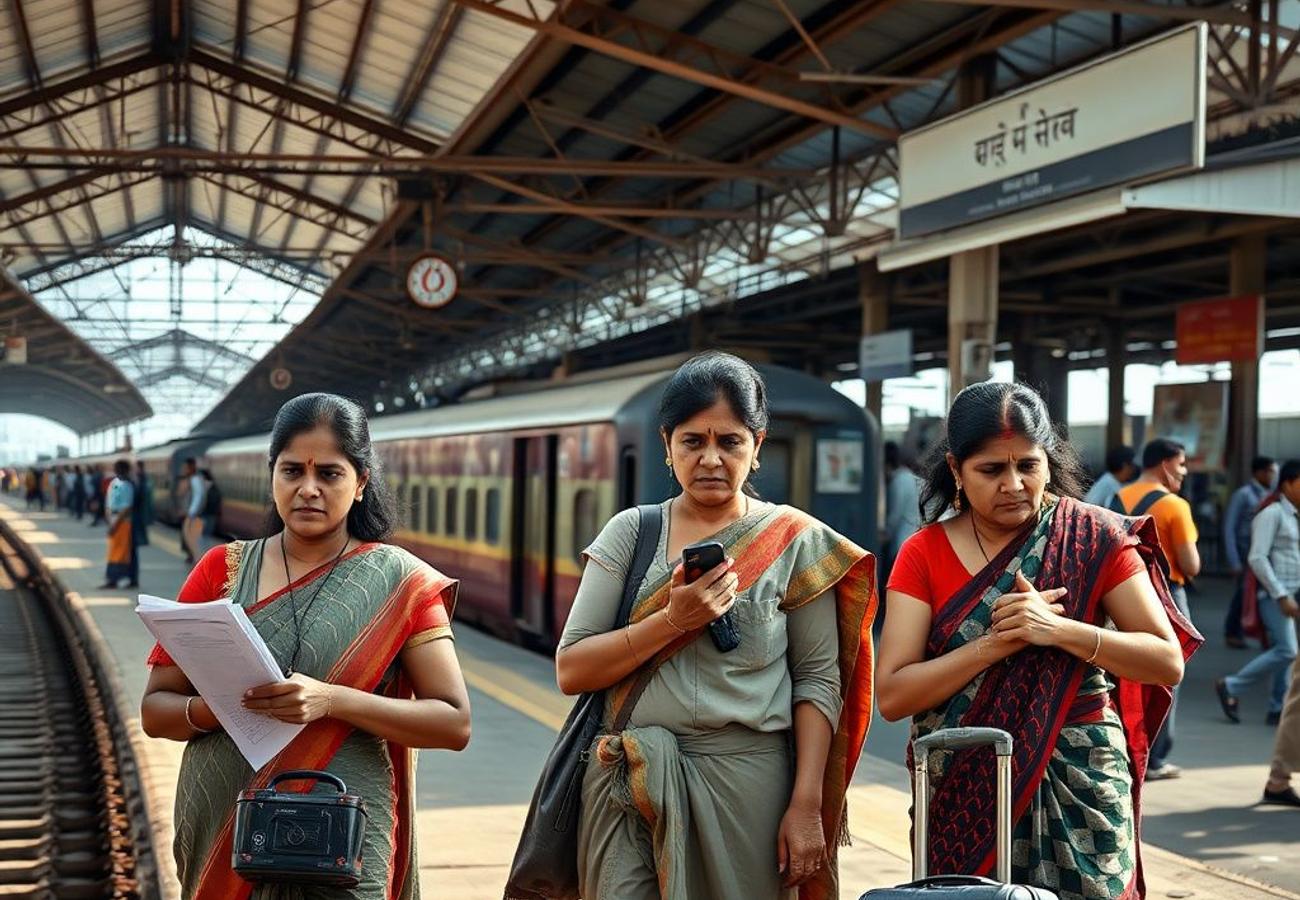
Image generated by AI
The Crackdown Begins: Indian Railways Doubles Down on Ticketless Travel
Indian Railways just made a significant move that every traveler in India needs to understand. As of June 20, 2026, the minimum penalty for boarding a train without a valid ticket has doubled from ₹250 to ₹500. This isn't just a minor fee adjustment—it's part of a larger enforcement push under the Jan Vishwas (Amendment of Provisions) Act, 2026.
The Western Railway issued an official notice outlining the new framework. If you're caught without proper documentation, you're now looking at substantially higher financial consequences. But the financial hit is just the beginning of what could happen.
What Exactly Gets You Penalized?
The new rules fall under Sections 137 and 138 of the Railway Act, 1989. These sections cover three specific scenarios: traveling without any valid ticket, traveling with an expired ticket, and traveling with an invalid or improperly issued ticket.
This isn't limited to people sneaking onto trains. Railway staff can penalize you for using an old ticket you've already used, attempting to reuse someone else's ticket, or presenting invalid documentation to avoid paying the correct fare.
Reddit: "Got caught traveling without a ticket during monsoon rush. The fine was painful enough before—now it's doubled. This is serious business." — r/IndianRailways
The Hidden Costs Beyond the Fine
Here's where it gets worse than just paying ₹500. Railway authorities require ticketless travelers to pay the actual fare you should have paid, plus an excess charge. That excess charge is now fixed at a minimum of ₹500. So if you were traveling a route that cost ₹200, you're now liable for ₹200 plus ₹500 in penalties—a total of ₹700.
The calculation method also matters. If railway ticket-checking staff cannot determine where you boarded, they'll charge you from either the originating station of the train or the last station where ticket checks actually occurred. This could mean paying far more than your actual intended journey would have cost.
The Legal Hammer: Imprisonment and Court Action
This is the critical part that travelers underestimate. The notice explicitly warns that failure to pay the penalty can result in legal action. We're not talking about a simple fine here—we're talking about potential criminal proceedings.
According to the Railway Act provisions, offenders could face court proceedings and imprisonment of up to six months. That's not a threat meant to scare—that's the actual legal framework being enforced.
Section 137 specifically addresses intentional fare evasion. If you're deliberately trying to cheat the railway system by traveling without valid documentation, the consequences escalate quickly from civil penalties to criminal liability.
The Numbers Tell the Story
The scale of enforcement is staggering. During May 2026 alone, the Central Railway collected ₹40.85 crore (approximately $4.9 million USD) in penalties and fares from ticketless travelers. Railway staff caught around 4.96 lakh (496,000) ticketless passengers across the Central Railway network in that single month.
This isn't random enforcement either. The railways have clearly increased ticket-checking operations and are aggressively pursuing collections. If you're planning to travel by rail in India, these numbers should make the stakes clear.
What the Railways Want You to Know
The official message is straightforward: "Passengers are requested to travel with a valid ticket and follow railway rules to avoid penalties. Your cooperation helps ensure a safe, smooth, and lawful journey for all."
This comes directly from the Western Railway's formal notice. It's not a suggestion—it's an official advisory about the new enforcement reality.
How This Affects Different Travelers
Casual commuters face the most direct risk. If you're hopping on a suburban train without purchasing a platform ticket or monthly pass, you're now exposed to doubled penalties.
Long-distance travelers need to be equally cautious. Whether you've lost your ticket, it's defaced, or you're trying to stretch a ticket beyond its valid journey endpoint, the new rules apply uniformly.
Digital ticket users have less excuse now. With UPI payments, IRCTC apps, and mobile ticketing widely available across Indian Railways platforms, purchasing a valid ticket requires minimal effort.
The Broader Context: Why This Change Now?
The timing matters. The Jan Vishwas Act amendments represent a shift toward stricter compliance in the transportation sector. "Jan Vishwas" translates to "public trust," yet the railways appear to be taking a harder line on rule enforcement rather than a softer approach.
This could signal upcoming changes in how Indian Railways handles other violations—from overcrowding to safety infractions. The doubling of ticketless travel penalties may be just the beginning of stricter enforcement across multiple categories.
Practical Advice for India Travelers
Always carry your ticket in its original form. Digital copies count, but ensure your phone has adequate battery and signal.
Purchase through official channels only. Use the IRCTC website, official railway counters, or authorized agents. Counterfeit or informal tickets offer zero legal protection.
Keep receipts and documentation. If there's any dispute about ticket validity, documentation becomes your legal defense.
Factor in extra costs. When budgeting train travel, consider that penalties are now part of the enforcement reality. Budget accordingly and leave no room for "accidental" violations.
Understand the route pricing. Know exactly which stations you're boarding at and exiting from. Uncertainty about your journey end-point is no defense.
What This Means for the Future
The railways have signaled they're serious about revenue protection and regulatory compliance. This isn't a temporary crackdown. The doubling of penalties under a legislative framework suggests sustained enforcement going forward.
For nomadic professionals and frequent travelers, understanding Indian railway law just became more critical to your travel planning. One ticketless journey could derail your travel plans far more seriously than before.
Get your ticket before you board—the cost of not doing so just doubled, and the legal consequences just got very real.
Related Travel Guides
Disclaimer
This article is for informational and educational purposes only. It does not constitute legal, financial, or professional advice. While we strive to provide accurate and up-to-date information, travel policies, regulations, and conditions change rapidly. Always verify information with official sources before making travel decisions. Nomad Lawyer makes no representations about the accuracy, reliability, completeness, or suitability of the information provided. Readers should consult qualified professionals for advice specific to their circumstances. The views expressed in this article are those of the author and do not necessarily reflect the views of Nomad Lawyer.
Raushan Kumar
Founder & Lead Developer
Full-stack developer with 11+ years of experience and a passionate traveller. Raushan built Nomad Lawyer from the ground up with a vision to create the best travel and law experience on the web.
Learn more about our team →