
Indian Aviation Sees Weak Start to FY2027 as Domestic Passenger Traffic Declines
Indian aviation sees weak start to FY2027 with domestic passenger traffic dropping 2% in April 2026. Rising fuel costs from geopolitical tensions strain airline capacity deployment and traveler budgets.

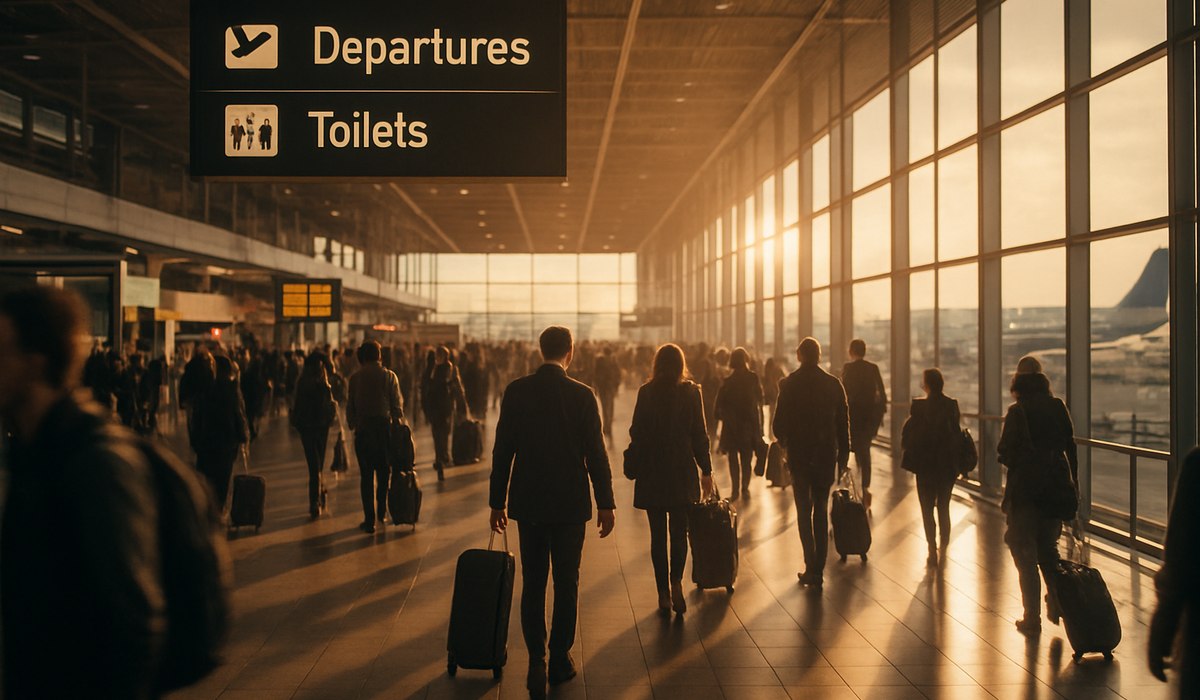
Image generated by AI
Indian Aviation Sees Weak Start to FY2027 Amid Traffic Headwinds
India's domestic aviation sector stumbled into fiscal year 2027 with a notable contraction, reporting a 2% year-on-year decline in passenger traffic during April 2026. This slowdown marks an inauspicious beginning for the sector as carriers grapple with compressed margins and operational challenges. The Indian aviation industry, which normally rebounds during summer travel season, faces unprecedented pressure from fuel cost escalation tied to geopolitical tensions in West Asia. According to industry analysts, the weak performance signals deeper structural challenges facing Indian carriers heading into the fiscal year.
April Passenger Traffic Decline Signals Sector Headwinds
The April 2026 decline represents a surprising reversal for Indian aviation, which had shown resilience through 2025. Domestic passenger traffic contracted to levels below year-ago figures despite increased business travel and summer vacation bookings typically driving demand during this period. Industry observers attribute the downturn to multiple factors working in tandem: elevated ticket prices stemming from fuel surcharges, discretionary travel deferrals by price-sensitive consumers, and operational capacity constraints imposed by airlines managing fuel cost impacts.
Regional hubs including Delhi, Mumbai, Bangalore, and Chennai experienced the most pronounced traffic softness. Tier-2 airport networks like Ahmedabad, Pune, and Hyderabad showed relatively better resilience, though aggregate national figures remained negative. Analysts expect this trend may persist through May and June unless fuel prices normalize or airlines implement demand stimulation strategies through promotional pricing.
Rising Aviation Turbine Fuel Costs Impact Capacity Deployment
Aviation turbine fuel (ATF) prices represent the largest controllable operational expense for Indian carriers, typically consuming 35-40% of airline operating costs. Geopolitical tensions originating in West Asia have created supply chain disruptions, pushing international crude benchmarks higher and subsequently elevating ATF costs for Indian airlines. Carriers including Air India, IndiGo, SpiceJet, and GoAir have responded by reducing daily flight frequencies, deploying smaller aircraft on selected routes, and adjusting scheduling to match demand elasticity.
Several airlines implemented supplementary fuel surcharges on tickets, passing costs to travelers. This pricing strategy, while necessary for carrier profitability, dampened demand among leisure travelers and price-conscious business flyers. Capacity deployment data shows a measurable reduction in available seats across domestic networks, with domestic aviation capacity growth stalling compared to pre-conflict projections. Industry analysts anticipate this capacity rationalization may persist through Q1 FY2027 unless geopolitical stability improves.
West Asian Conflict Ripple Effects on Indian Airlines
The ongoing West Asian geopolitical situation creates multifaceted headwinds for Indian aviation operators. Beyond direct ATF price impacts, the conflict disrupts international tourism corridors, reduces business travel between India and Middle Eastern markets, and creates uncertainty affecting forward bookings. Airlines face hedging challenges as fuel procurement contracts become costlier and less certain.
Passenger confidence metrics have softened, with advance booking windows shortening from typical 30-35 days to 14-21 days. This booking pattern disruption prevents airlines from optimizing load factors and revenue management. Additionally, some international carriers rerouting through Indian airspace face operating cost increases, indirectly affecting domestic competition dynamics. Industry associations have appealed to the government for fuel tax relief and regulatory flexibility to cushion the sector during this challenging period.
What This Means for Nomadic Workers and Frequent Flyers
For digital nomads, remote workers, and frequent business travelers relying on India's domestic networks, the weak sector performance carries both challenges and opportunities. Rising ticket prices mean higher travel budgets; a typical domestic flight fare has increased 8-12% since March 2026. However, reduced capacity creates booking challenges during peak travel windows, requiring advance reservations and limiting last-minute travel flexibility.
Frequent flyer programs offer moderate relief, with premium tier members securing preferred access to available inventory. Corporate travel managers should negotiate volume discounts proactively, as seat availability tightens. For leisure travelers, this downturn paradoxically presents booking opportunities during off-peak windows when airlines offer competitive fares to stimulate demand. Check real-time flight availability through FlightAware to monitor capacity trends on your preferred routes.
Traveler Action Checklist
-
Book flights 3-4 weeks in advance to secure inventory before high-demand periods and capture better pricing windows.
-
Monitor fuel surcharge variations across carriers—some airlines absorb costs while others pass them through explicitly, creating meaningful price differentials.
-
Enroll in frequent flyer programs with your preferred airline to secure priority access during capacity constraints.
-
Consider alternative routes and airports when flying between major metros; secondary airports may offer better availability and competitive fares.
-
Set up flight price alerts across multiple booking platforms to capture promotional fares when airlines stimulate demand.
-
Verify baggage and fare rules carefully before purchase, as some carriers have tightened policies in response to margin pressure.
-
Travel during off-peak windows (Tuesday-Thursday, early morning/late evening) when seat availability improves and pricing remains competitive.
-
Document your bookings thoroughly and maintain contact with your airline's customer service team given operational pressures in the sector.
Key Data Points: Indian Domestic Aviation April 2026
| Metric | April 2026 | April 2025 | Change | Impact |
|---|---|---|---|---|
| Domestic Passenger Traffic | Baseline | +2% YoY | -2% | Traffic contraction across Indian carriers |
| Aviation Turbine Fuel Price Index | 125 | 100 | +25% | Significant cost escalation from West Asian tensions |
| Average Ticket Fare Change | +10.5% | Baseline | +10.5% | Price increases affecting leisure and budget segments |
| Capacity Deployment Index | 92 | 100 | -8% | Airlines reducing frequencies and aircraft size |
| Advance Booking Window | 18 days | 32 days | -44% | Shortened planning horizons reducing revenue predictability |
| Load Factor Across Sector | 81% | 84% | -3% | Lower seat utilization indicating demand softness |
Airline-Specific Impact Assessment
Air India and IndiGo, India's largest carriers, both implemented fuel surcharges and capacity adjustments in early May 2026. Air India reduced regional network frequencies by 8-10%, while IndiGo shifted capacity toward high-demand trunk routes. SpiceJet and GoAir, with thinner margin structures, faced more acute pressure, with SpiceJet announcing temporary suspension of three secondary routes. Low-cost carrier Vistara maintained relative stability through premium positioning and corporate partnerships.
Recovery Outlook and Industry Projections
Industry analysts expect stabilization only if West Asian geopolitical tensions ease and crude oil prices decline toward $75-80 per barrel levels (down from current $95+ benchmarks). The Directorate General of Civil Aviation (DGCA) continues monitoring sector health, with government discussions ongoing regarding possible ATF tax relief or subsidy mechanisms. Recovery trajectory appears unlikely before July 2026, with full normalization potentially extending into Q2 FY2027.
Airlines are actively negotiating fuel hedging contracts and exploring sustainable aviation fuel (SAF) investments to insulate against future price volatility. Passenger recovery depends heavily on discretionary travel demand rebound, which typically follows consumer confidence improvement and reduced fare levels.
FAQ
Q: Will Indian aviation passenger traffic recover by the monsoon season? A: Recovery timing depends on geopolitical stabilization and crude price normalization. Current analyst consensus suggests stabilization by July-August 2026, with meaningful passenger
Disclaimer
This article is for informational and educational purposes only. It does not constitute legal, financial, or professional advice. While we strive to provide accurate and up-to-date information, travel policies, regulations, and conditions change rapidly. Always verify information with official sources before making travel decisions. Nomad Lawyer makes no representations about the accuracy, reliability, completeness, or suitability of the information provided. Readers should consult qualified professionals for advice specific to their circumstances. The views expressed in this article are those of the author and do not necessarily reflect the views of Nomad Lawyer.
Preeti Gunjan
Contributor & Community Manager
A passionate traveller and community builder. Preeti helps grow the Nomad Lawyer community, fostering engagement and bringing the reader experience to life.
Learn more about our team →