
Travel 2032 India: Market Rockets to USD 132 Billion Milestone
India's travel market surges toward USD 132 billion by 2032, outpacing Asia-Pacific rivals as leisure and business bookings converge in explosive growth.

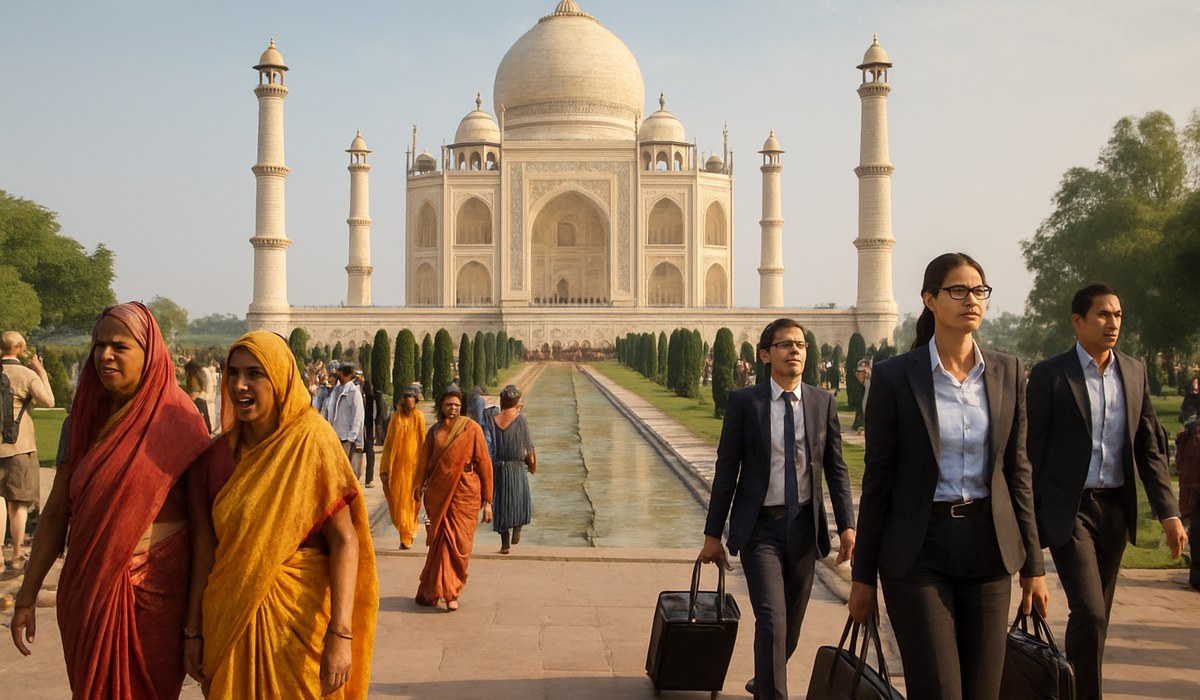
Image generated by AI
Quick Summary • India's tourism sector will reach USD 132 billion valuation by 2032, establishing Asia's fastest expansion rate • Combined leisure and business bookings drive unprecedented growth, fueled by rising middle class purchasing power • Infrastructure investments and digital booking platforms accelerate market accessibility for domestic and international travelers • Growth trajectory positions India ahead of established Southeast Asian tourism economies despite regional challenges
While most global travel markets grapple with uneven recovery patterns, India's tourism sector blazes toward a staggering USD 132 billion valuation by 2032—a trajectory that positions the nation as Asia's most dynamic travel economy. This remarkable expansion reflects converging forces: a burgeoning middle class with disposable income, government-backed infrastructure modernization, and a cultural moment that's making India simultaneously a leisure destination and business hub.
The projection arrives as World Travel & Tourism Council's latest Asia-Pacific projections{:target="_blank" rel="noopener noreferrer"} show most regional markets returning to pre-pandemic levels, yet India stands apart with compound annual growth rates significantly exceeding neighbors. March 2026 data reveals booking momentum accelerating across both domestic circuits and international arrival channels.
What makes this forecast particularly striking is its timing. Regional competitors face headwinds from currency fluctuations to infrastructure bottlenecks, yet India's tourism economy demonstrates resilience anchored in diverse revenue streams spanning cultural tourism, medical travel, corporate events, and traditional leisure segments.
India's USD 132 Billion Tourism Trajectory: Breaking Down the Numbers
The path to USD 132 billion represents more than linear growth—it signals structural transformation within India's economic landscape. Current estimates place the travel market around USD 82 billion in 2026, meaning the sector will absorb approximately USD 50 billion in new value over six years.
Tourism authorities forecast this expansion will occur across three parallel tracks: domestic travel spending growth of 9.2% annually, international visitor expenditure climbing 11.7% per year, and business travel investments rising 8.4% annually. These percentages translate into tangible shifts—more flights connecting tier-two cities, hospitality groups launching properties in emerging destinations, and transportation networks expanding beyond traditional tourist corridors.
According to UN World Tourism Organization statistics{:target="_blank" rel="noopener noreferrer"}, India's international visitor arrivals reached 8.9 million in 2025, with projections targeting 16 million by 2032. That doubling effect occurs as visa policies liberalize, airline connectivity expands, and destination marketing reaches new source markets across Europe, Americas, and neighboring Asian nations.
The billion-dollar question centers on capacity. Can India's infrastructure absorb this surge without compromising visitor experience? Recent investments suggest affirmative momentum—airport authorities have greenlit expansions across Mumbai, Bengaluru, and Delhi terminals while state governments fast-track hotel licensing in heritage destinations like Rajasthan and Kerala.
Financial analysts tracking the sector note that USD 132 billion figure encompasses direct tourism spending alongside ancillary services: transportation, hospitality, guided tours, retail purchases, and entertainment activities that ripple through local economies. This multiplier effect means each tourism dollar generates approximately 1.8 times its value in broader economic activity.
Economic Drivers Fueling Unprecedented Travel Demand
India's travel boom rides on macroeconomic tailwinds that extend far beyond tourism policy alone. The nation's GDP growth consistently outpaces developed economies, with projections hovering near 7% annually through 2032. This economic expansion translates directly into household income gains—middle-class families now allocate discretionary spending toward experiences rather than purely material goods.
Demographic patterns amplify this trend. India's median age sits around 28 years, creating a massive cohort of young professionals with career mobility and appetite for exploration. This generation treats travel as lifestyle priority rather than luxury splurge, booking weekend getaways with the same frequency their parents reserved for annual vacations.
Digital transformation plays an equally crucial role. Mobile booking platforms have democratized travel planning, allowing consumers in smaller cities to access deals previously reserved for urban elites. Flash sales, comparison tools, and user reviews empower travelers to maximize value while exploring diverse destinations across India's vast geography.
The strength of India's currency against several regional competitors also drives domestic tourism—families increasingly choose Goa, Himachal Pradesh, or Andaman Islands over Bali or Thailand, recognizing comparable experiences at lower total costs. This substitution effect keeps tourism rupees circulating within the national economy.
India's $8.5 billion event tourism sector contributes measurably to the broader market expansion, with festivals, sporting events, and cultural gatherings drawing both domestic participants and international enthusiasts. Events from cricket tournaments to music festivals now factor as anchors in seasonal travel planning.
Leisure vs. Business Travel: Where the Bookings Are Coming From
The revenue split between leisure and business travel reveals fascinating market dynamics. Current data shows leisure bookings commanding approximately 68% of total travel spending, with business travel accounting for the remaining 32%. However, business travel demonstrates faster growth velocity—its share will likely expand to 37% by 2032 as multinational corporations deepen Indian operations.
Leisure travelers increasingly seek experiences beyond traditional Golden Triangle routes. Wellness tourism flourishes in Ayurvedic centers across Kerala and Uttarakhand. Adventure tourism attracts trekkers to Ladakh and Sikkim. Beach destinations in Goa and Andaman Islands report extended shoulder seasons as domestic travelers book off-peak periods for better value.
Wildlife tourism represents another growth vertical. Tiger reserves across Madhya Pradesh, Karnataka, and Rajasthan register advance bookings months ahead, with safari lodges commanding premium rates during peak viewing seasons. This segment attracts affluent international visitors willing to spend significantly for exclusive wildlife encounters.
Business travel patterns shift as India positions itself as global services hub. Tech corridors in Bengaluru, Hyderabad, and Pune generate constant corporate travel demand. Skift's travel industry intelligence{:target="_blank" rel="noopener noreferrer"} tracks how multinational firms now schedule quarterly meetings across Indian offices rather than routing all executives through regional headquarters in Singapore or Hong Kong.
Conference and exhibition tourism adds another layer. Cities invest heavily in convention centers to capture international trade shows, medical conferences, and industry summits. These events generate concentrated economic impact—attendees book hotels, dine locally, and often extend stays for leisure exploration.
The bleisure trend—blending business with leisure—also gains traction. Corporate travelers increasingly add weekend extensions to work trips, exploring local attractions and bringing family members on company-sponsored journeys. This behavior blurs traditional segment boundaries and pushes total spending upward.
Infrastructure and Investment: What's Making This Growth Possible
Physical infrastructure development provides the backbone enabling India's travel market expansion. Airport privatization accelerated terminal modernization, reducing congestion and improving passenger experience. New airports in tier-two cities like Mopa (Goa), Navi Mumbai, and Jewar (Greater Noida) distribute traffic away from saturated hubs.
Rail networks undergo parallel transformation. High-speed corridors under construction will slash journey times between major tourist cities—Mumbai to Ahmedabad in under three hours, Delhi to Varanasi in just over four hours. These improvements make multi-city itineraries feasible for time-constrained travelers who previously chose single-destination trips.
Road connectivity also advances, though more unevenly. Expressways now link Delhi to Dehradun, Mumbai to Goa, and Bengaluru to Mysuru, cutting driving times dramatically. State governments recognize that smooth road access converts tourist interest into actual bookings—families won't visit destinations requiring grueling eight-hour drives over potholed routes.
Hospitality investment keeps pace with infrastructure improvements. International hotel chains announce properties across emerging destinations, while domestic brands scale aggressively. Budget accommodation options multiply through aggregator platforms that standardize quality in previously unorganized guesthouse markets.
Unlike Southeast Asia's aviation fuel challenges that constrain carrier operations, India benefits from domestic fuel production stability and diversified supply chains. This advantage allows airlines to expand route networks without crippling cost increases that might dampen demand through higher ticket prices.
Technology infrastructure deserves equal credit. Broadband and mobile connectivity now extend into remote areas, allowing travelers to maintain digital connectivity during journeys. This connectivity matters enormously for younger travelers who integrate work remotely while exploring far-flung destinations—the digital nomad segment grows rapidly within India's domestic market.
Drawing lessons from global hospitality industry innovations, Indian properties increasingly adopt sustainability practices and experiential offerings that differentiate them in competitive markets. Heritage hotels retrofit with solar power, beach resorts eliminate single-use plastics, and mountain lodges offer authentic cultural immersion programs.
Financial infrastructure also evolved. Simplified GST structures for tourism services, easier foreign investment approvals, and startup-friendly policies encourage entrepreneurs to launch innovative travel businesses. This ecosystem supports everything from hyper-local tour guides to AI-powered trip planning platforms.
Government tourism departments coordinate destination development more effectively, balancing preservation with accessibility. Heritage sites undergo conservation alongside visitor facility improvements. Coastal zones receive environmental management plans before resort approvals. This forward planning prevents the degradation that plagued early tourism booms in other Asian nations.
FAQ: India's Travel Market Growth to 2032
What's driving India's travel market toward USD 132 billion by 2032?
Multiple converging factors fuel this growth: rising middle-class incomes, demographic advantages from a young population, infrastructure investments improving connectivity, digital booking platforms democratizing access, and India's positioning as both leisure destination and business hub. Economic growth averaging near 7% annually provides the foundation for discretionary travel spending across income segments.
How does India's growth rate compare with other Asian tourism markets?
India significantly outpaces regional competitors. While established markets like Thailand and Malaysia project 4-5% annual tourism growth, India targets compound rates exceeding 8% through 2032. This acceleration occurs as India captures market share from traditional Asian destinations while simultaneously expanding its domestic travel economy through rising household incomes.
Will leisure or business travel grow faster in India's market?
Business travel currently shows steeper growth velocity at projected 8.4% annually versus leisure's 9.2%, but from a smaller base. Corporate travel's share will likely expand from 32% to 37% of total spending by 2032 as multinationals deepen Indian operations. However, leisure maintains dominant overall volume, driven by domestic family travel and international cultural tourism.
What destinations benefit most from India's tourism expansion?
Growth distributes beyond traditional circuits. Wellness destinations in Kerala and Uttarakhand, adventure hubs in Ladakh and Sikkim, beach regions in Goa and Andaman Islands, and wildlife reserves across Madhya Pradesh all experience booking surges. Tier-two cities with improved connectivity capture business travel, while heritage sites with restored infrastructure attract international visitors seeking authentic experiences.
How sustainable is India's projected USD 132 billion tourism valuation?
The forecast rests on tangible infrastructure investments, demographic fundamentals, and policy reforms already underway rather than speculative assumptions. Risks include potential economic slowdowns, infrastructure delivery delays, or environmental pressures in overdeveloped destinations. However, India's diversified tourism product—spanning business, leisure, wellness, adventure, and cultural segments—provides resilience against single-sector volatility.
Related Articles:
Disclaimer
This article is for informational and educational purposes only. It does not constitute legal, financial, or professional advice. While we strive to provide accurate and up-to-date information, travel policies, regulations, and conditions change rapidly. Always verify information with official sources before making travel decisions. Nomad Lawyer makes no representations about the accuracy, reliability, completeness, or suitability of the information provided. Readers should consult qualified professionals for advice specific to their circumstances. The views expressed in this article are those of the author and do not necessarily reflect the views of Nomad Lawyer.
Raushan Kumar
Founder & Lead Developer
Full-stack developer with 11+ years of experience and a passionate traveller. Raushan built Nomad Lawyer from the ground up with a vision to create the best travel and law experience on the web.
Learn more about our team →