
India's Tourism Department and ASI Partner to Revamp 135 Heritage Sites in 2026
A strategic alliance between India's Tourism Department and the Archaeological Survey of India targets the structural restoration of 135 heritage sites to boost cultural tourism.

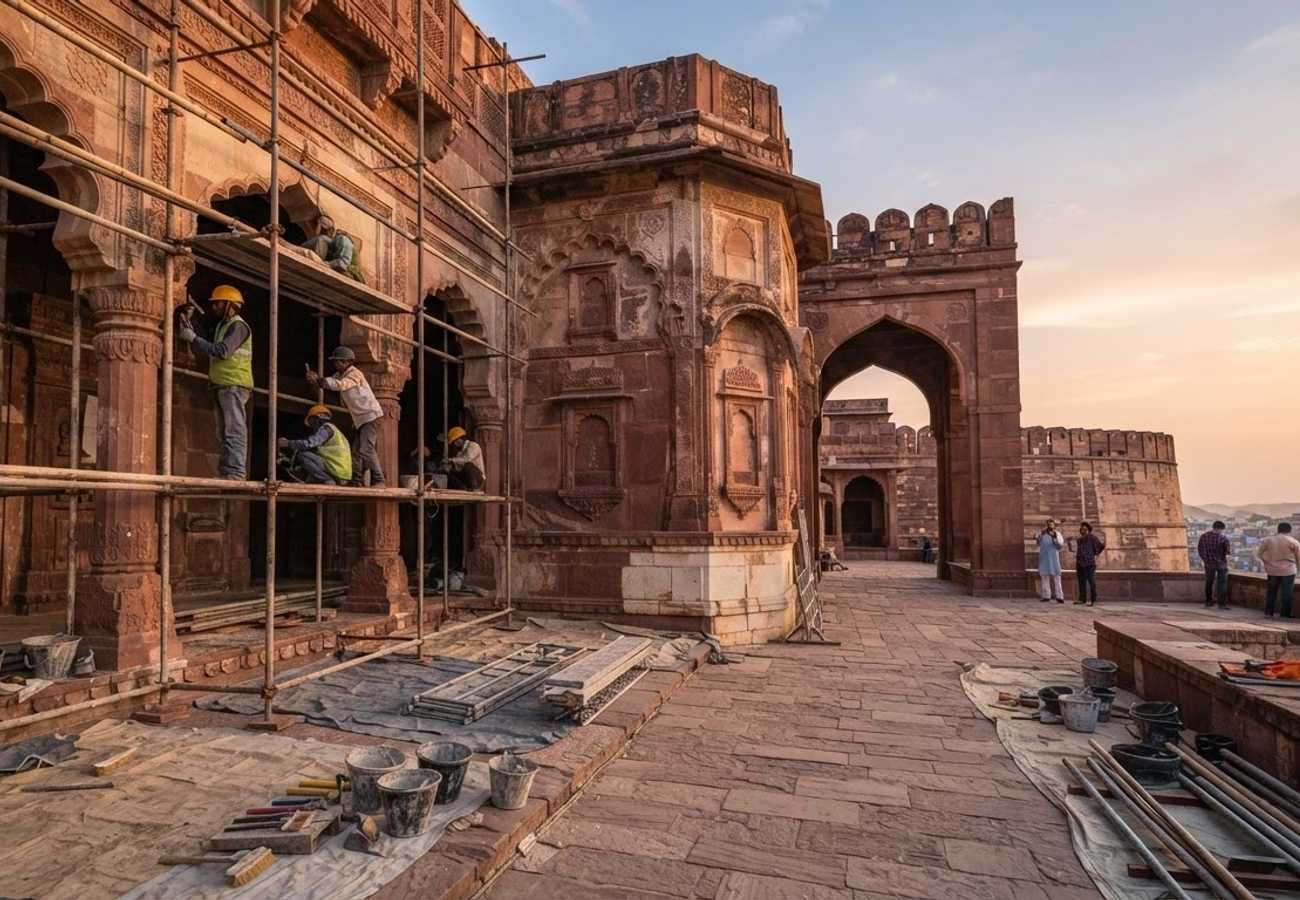
Image generated by AI
135 heritage sites are slated for a comprehensive structural overhaul following a newly formalized partnership between India's tourism department and the Archaeological Survey of India (ASI). This collaboration marks a departure from previous conservation efforts, moving away from isolated repairs toward a systemic integration of historical preservation and modern tourism logistics. By combining state-backed funding with federal archaeological expertise, the initiative seeks to eliminate the bureaucratic friction and funding gaps that historically stalled the maintenance of the region's architectural landmarks.
Institutional Alignment and Conservation Goals
The primary driver behind this initiative is the need to protect decaying historical assets from the dual threats of urban encroachment and environmental degradation. For decades, the management of India's cultural treasures was split between various local administrative bodies and central authorities, often resulting in fragmented jurisdiction and inconsistent resource allocation.
This new policy framework establishes a unified administrative command. By streamlining the approval process, the government aims to fast-track restorations that were previously mired in red tape. The scope of the project extends beyond simple masonry; it involves the deployment of advanced conservation technologies to stabilize fragile materials and the implementation of rigorous maintenance protocols to ensure that renovations do not degrade over time.
Infrastructure Upgrades and Visitor Logistics
The revamp is not merely an exercise in archaeology but a strategic upgrade of the visitor experience. The project focuses on transforming static monuments into dynamic tourism hubs. This involves a shift toward "circuit-based" travel planning, where individual sites are linked into cohesive cultural corridors.
| Upgrade Category | Implementation Detail | Expected Traveler Impact |
|---|---|---|
| Accessibility | New pedestrian pathways and improved signage | Reduced navigation friction at complex sites |
| Digital Integration | Implementation of digital interpretive services | Enhanced historical context without physical guides |
| Crowd Management | Systematic traffic flow regulation | Lower congestion at sensitive historical zones |
| Amenities | New visitor facilitation centers and lighting | Extended visiting hours and better on-site comfort |
For those planning itineraries, these changes mean that historically "difficult" sites—those with poor access or limited information—will become viable options for high-end and international travelers who demand seamless logistics.
Expert Analysis: The Economics of Heritage Integration
From a market perspective, the decision to revamp 135 sites simultaneously is a calculated move to decentralize tourism. Traditionally, international visitors cluster around a few "super-sites," creating immense pressure on local infrastructure and diminishing the quality of the experience. By elevating the standard of 135 diverse locations, the government is effectively expanding the "cultural footprint" of the region.
For travelers booking these routes, the direct consequence is a diversification of available destinations. We are seeing the creation of a "multiplier effect" where the restoration of a monument triggers private sector investment in the surrounding area. Boutique hoteliers and local tour operators are likely to pivot their offerings toward these revitalized circuits, leading to an increase in high-quality, localized hospitality options.
The pricing pressure this creates is twofold: while the improved infrastructure may lead to higher entry fees or "premium" tour packages, the increase in supply (more viable destinations) should prevent the extreme price gouging often seen at over-saturated landmarks. Furthermore, the integration of river tourism and regional marketing suggests that the government is viewing heritage not as a cost center, but as a sustainable financial engine. By positioning these regions as global cultural hubs, India is attempting to capture a larger share of the high-spending "cultural seeker" demographic.
Key Takeaways
- Scale of Intervention: 135 heritage sites are undergoing structural and aesthetic restoration under a joint Tourism Department and ASI mandate.
- Administrative Shift: A new unified command structure replaces the previous fragmented system, reducing bureaucratic delays in funding and execution.
- Visitor Experience: Upgrades include digital integration, improved pedestrian access, and the development of cohesive tourism circuits to encourage longer stays.
- Economic Catalyst: The project is designed to spur private investment in boutique hospitality and local services across multiple districts.
- Traveler Warning: Visitors should consult official tourism portals for temporary zone closures during active restoration phases.
FAQ: India Heritage Revamp 2026
Will heritage sites be closed during the restoration? Yes, some specific zones within the 135 sites may face temporary closures. Travelers are advised to check official government tourism portals for real-time updates on accessibility before visiting.
How will the visitor experience change at these sites? Expect better signage, digital guides, and improved pedestrian pathways. The goal is to move from "static" viewing to an immersive experience with better facilities and reduced crowding.
Does this project affect ticket prices for monuments? While the project focuses on infrastructure, the shift toward a "premium" cultural hub model may lead to revised pricing structures for enhanced services and facilities.
What are "tourism circuits" in the context of this project? Tourism circuits are curated travel routes that link multiple restored sites together, allowing travelers to explore a region's history through a connected series of landmarks rather than visiting one isolated monument.
The transition from preserving relics to managing experiences marks a new era for Indian cultural diplomacy.
Related Travel Guides
Disclaimer
This article is for informational and educational purposes only. It does not constitute legal, financial, or professional advice. While we strive to provide accurate and up-to-date information, travel policies, regulations, and conditions change rapidly. Always verify information with official sources before making travel decisions. Nomad Lawyer makes no representations about the accuracy, reliability, completeness, or suitability of the information provided. Readers should consult qualified professionals for advice specific to their circumstances. The views expressed in this article are those of the author and do not necessarily reflect the views of Nomad Lawyer.
Preeti Gunjan
Contributor & Community Manager
A passionate traveller and community builder. Preeti helps grow the Nomad Lawyer community, fostering engagement and bringing the reader experience to life.
Learn more about our team →