
India Launches E-Group Visa for Cruise Tourists to Scale Maritime Travel in 2026
India streamlines maritime entry with a new e-group visa for cruise passengers, targeting a doubling of cruise traffic by 2029 under the Cruise Bharat Mission.

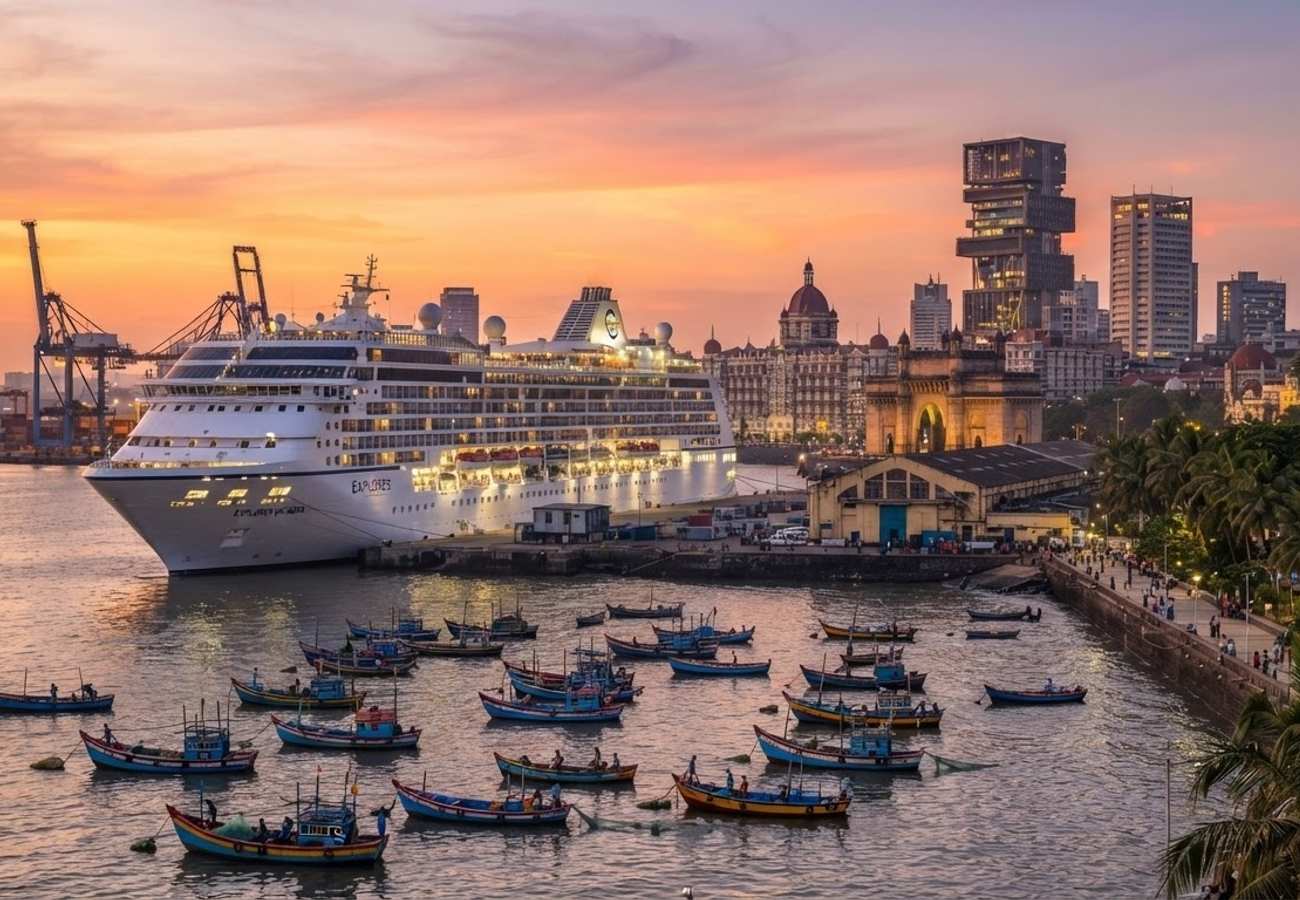
Image generated by AI
Nationals from 172 countries can now bypass individual paperwork through a new e-group visa system, a strategic move designed to double India's cruise traffic by 2029.
The Ministry of Home Affairs has implemented a regulatory shift to eliminate the bureaucratic bottlenecks that previously hindered international cruise ships from integrating Indian ports into their global itineraries. This transition from fragmented, individual visa approvals to a consolidated group architecture is a cornerstone of the Cruise Bharat Mission (launched September 2024) and the Maritime India Vision 2030. Together, these initiatives aim to transform the country into a premier global maritime hub spanning oceanic, coastal, and inland waterways.
Streamlined Entry for International Voyagers
For the modern traveler, the primary benefit is the removal of the tedious individual application process. Passengers on cruise vessels following a fixed, predetermined itinerary can now be processed as a single unit. This system is open to citizens of 172 countries currently eligible for standard e-tourist visas.
The operational specifics are designed for speed and flexibility:
- Access Points: Travelers can disembark at any of the 38 designated e-visa-enabled seaports.
- Validity: The visa is valid for 30 days.
- Entry Type: Multiple entries are permitted, allowing for complex coastal circuits.
- Verification: Each visa features an integrated QR code, scanned at port immigration to ensure swift clearance.
Operational Efficiency and Industry Impact
The removal of an upper limit on the number of tourists per group application allows cruise operators to manage massive passenger manifests without the risk of individual documentation errors causing delays. By utilizing bulk uploading mechanisms via official portals and mobile applications, agents can submit names, nationalities, and passport credentials in a single transmission.
This efficiency reduces port turnaround times, making Indian destinations more attractive for permanent inclusion in global scheduling rosters. The shift represents a significant departure from previous policies where foreign maritime travelers faced complex, individualized clearance channels that often led to logistical bottlenecks at major ports.
Mandatory Compliance and Timeline
To ensure the system functions without friction, the Ministry of Home Affairs has enforced a strict submission window. Cruise operators and authorized vessel agents must complete digital submissions via the official portal or mobile app no later than three days prior to the vessel's berthing at the first domestic port of entry.
Applications submitted after this three-day cutoff are systematically rejected. Once processed, the resulting e-group visit visa and its unique QR code must be retained by travelers for presentation at immigration desks and during all domestic transit linked to the approved maritime route.
Visitor Insider Tips
For those planning a maritime journey through India, navigating the local experience requires a bit more than just a visa.
- The "Golden Window" for Visiting: To avoid the intense humidity and monsoon surges, schedule your cruise between November and February. This window offers the most comfortable climate for shore excursions in cities like Kochi and Mumbai.
- Port Etiquette: When disembarking at regional seaports, remember that dress codes vary. While cruise ships are casual, visiting local temples or heritage sites during shore excursions requires modest clothing (shoulders and knees covered).
- Local Dining Specialties: When docking in Kerala, seek out "Karimeen Pollichathu" (pearl spot fish marinated and grilled in banana leaves)—a regional maritime delicacy rarely found in the main cruise dining halls.
- Sustainable Exploration: Support the local economy by hiring certified local guides through the regional tourism departments rather than relying solely on ship-organized mass tours. This ensures your spending directly benefits the coastal communities you visit.
Tourism Outlook
The long-term trajectory for Indian maritime travel is one of aggressive growth. By aligning immigration policy with infrastructure goals, India is positioning its extensive coastline as a competitive alternative to traditional Southeast Asian cruise hubs. The integration of digital-first clearance suggests a future where the transition from ship to shore is nearly instantaneous, encouraging longer stays and deeper exploration of the hinterlands.
A new era of seamless sailing is arriving on the Indian coast.
Related Travel Guides
Disclaimer
This article is for informational and educational purposes only. It does not constitute legal, financial, or professional advice. While we strive to provide accurate and up-to-date information, travel policies, regulations, and conditions change rapidly. Always verify information with official sources before making travel decisions. Nomad Lawyer makes no representations about the accuracy, reliability, completeness, or suitability of the information provided. Readers should consult qualified professionals for advice specific to their circumstances. The views expressed in this article are those of the author and do not necessarily reflect the views of Nomad Lawyer.
Naina Thakur
Contributor & Travel Specialist
Travel enthusiast and legal writer covering visa regulations, responsible tourism, and cultural journeys across global destinations.
Learn more about our team →