
India, Germany, and Indonesia Forge Green Travel Alliance at ITB Berlin 2026 Amid $200 Oil Shock and Strait of Hormuz Blockade: How US-Iran Conflict and Gulf Tensions Pivot Global Tourism to Low-Carbon Wellness
At ITB Berlin 2026, India partners with Germany and Indonesia to drive low-carbon travel and enhance air connectivity, countering the global $200 oil crisis.

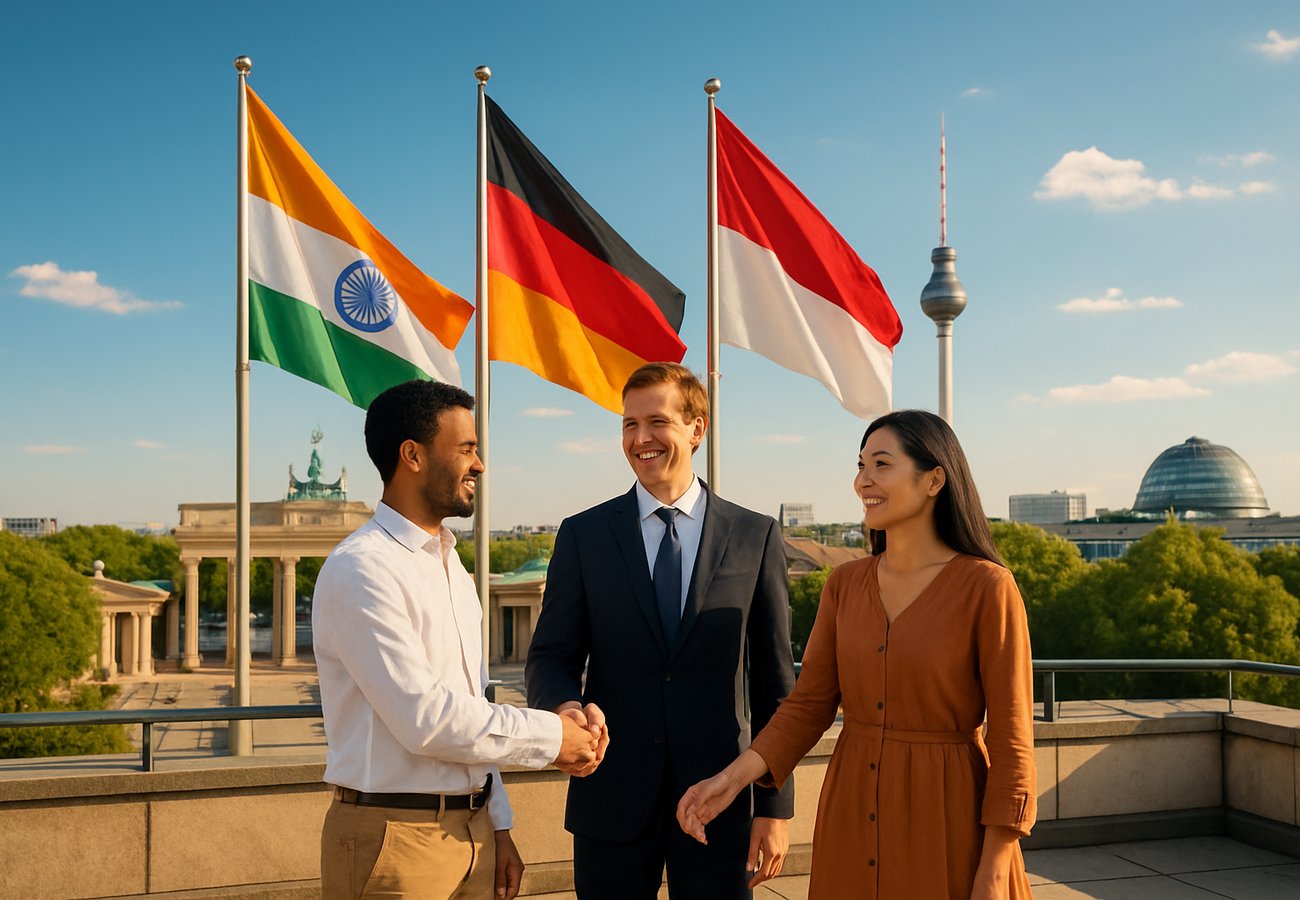
Image generated by AI
The global travel sector is undergoing a profound structural shift as it confronts an unprecedented $200 per barrel oil shock and the military blockade of the Strait of Hormuz. With the escalating US-Iran conflict driving long-haul airfares to historic highs and squeezing traditional tourism, India has launched an aggressive diplomatic offensive.
At ITB Berlin 2026, held from March 3 to 5 at Messe Berlin in Germany, India forged landmark bilateral agreements with Germany and Indonesia. Led by Union Tourism Minister Gajendra Singh Shekhawat, this green alliance seeks to enhance air connectivity and pioneer sustainable, low-carbon travel alternatives. By shifting focus to high-value wellness, spiritual, and eco-tourism, these nations are building a resilient economic model that thrives independently of fossil-fuel volatility, while Gulf Cooperation Council (GCC) states like Saudi Arabia, the United Arab Emirates (UAE), and Qatar work to manage Middle Eastern shipping routes.
Expanded Overview: Re-Engineering Travel Under Severe Energy Squeezes
The ongoing global energy crisis has forced a complete reorganization of international travel logistics. The naval blockade of the Strait of Hormuz—the world’s most critical maritime oil corridor, handling roughly 20% of global petroleum transit—has taken millions of barrels of crude off the market, sending fuel prices soaring.
For the international aviation and tourism sectors, this has resulted in higher long-haul ticket prices and reduced flight capacities. Yet, India has countered this threat by shifting focus to sustainable, high-value, and regenerative travel models. At the world's largest travel trade fair, India showcased how localized, low-carbon wellness and spiritual tourism can sustain a thriving tourism sector, attracting premium global travelers who are willing to invest in long-term stays despite rising flight costs.
Geopolitical Context: Persian Gulf Volatility and Indian Subcontinent Diplomacy
The military standoff between the United States and Iran in the Persian Gulf has disrupted major trade corridors and airspace, keeping global energy markets highly volatile.
This conflict has directly impacted major Middle Eastern oil producers—including Saudi Arabia, the UAE, Qatar, Kuwait, Oman, and Bahrain—who are working hard to protect their energy supply lines and secure alternative shipping channels. In this climate of high volatility, India has leveraged its strong diplomatic relationships to build regional travel corridors. By partnering with European and Southeast Asian nations, India is securing bilateral air service agreements and travel networks that bypass high-risk Middle Eastern transit zones, ensuring a steady flow of international visitors.
Global Energy Impact: Squeezed Airlines and the Pivot to Premium Wellness
With oil prices firmly established at $200 per barrel, airlines are under intense pressure to optimize their operations. Jet fuel costs have forced carriers to raise airfares, making long-distance flights a premium purchase and prompting travelers to choose destinations where they can maximize their well-being.
| Key Tourism Sector | Core Offerings | Strategic Resiliency |
|---|---|---|
| Wellness Tourism | Yoga, Ayurveda, and Meditation retreats. | Attracts high-value, long-stay travelers who invest deeply in personal well-being. |
| Spiritual Tourism | Varanasi, Rishikesh, and Amritsar pilgrimages. | Culturally immersive, low-carbon travel independent of luxury imports. |
| Adventure Tourism | Himalayas, Thar Desert, and Uttarakhand trekking. | Low-impact, nature-based travel that actively supports mountain economies. |
| Gourmet Experiences | Diverse culinary traditions across Indian states. | Fully localized food sourcing that bypasses expensive imported logistics. |
Shipping & Trade Impact: Cape of Good Hope Detours and Local Sourcing
The ongoing Strait of Hormuz blockade has forced cargo fleets to bypass the Suez Canal and route around Africa’s Cape of Good Hope, sending maritime insurance rates soaring by over 500% and delaying global shipments of luxury resort supplies.
To bypass these supply chain bottlenecks, India’s tourism sector is actively promoting localized sourcing and traditional craftsmanship. The India Pavilion at ITB Berlin showcased this focus, highlighting how regional destinations use local resources, organic agriculture, and traditional arts (such as mehendi, block printing, and calligraphy) to create authentic, low-impact travel experiences. This reduces reliance on expensive imports and keeps tourist spending directly within local communities.
Regional Impact: Strategic Alliances at ITB Berlin 2026
India's participation at ITB Berlin focused heavily on high-level bilateral meetings to build resilient travel networks:
- Germany Partnership: Union Minister Gajendra Singh Shekhawat met with Christoph Ploß, the Federal Government Commissioner for Tourism of Germany. The discussions focused on collaborative efforts to increase travel, promote mutual tourism, and enhance direct air connectivity, which is critical for boosting international arrivals from Europe.
- Indonesia Collaboration: Shekhawat also engaged in strategic talks with Widiyanti Putri Wardhana, Indonesia’s Tourism Minister. The two culturally connected nations focused on improving cross-border travel, exchange programs, joint marketing initiatives, and sharing sustainable tourism strategies to make both nations top choices for global travelers.
- Netflix Global Campaign: To bring India’s tourism story to a global audience, the Ministry of Tourism launched a major partnership with Netflix at ITB Berlin. The collaboration features two beautifully produced promotional films for the Incredible India campaign, highlighting India’s immense cultural diversity (including festivals like Diwali and majestic architectural heritage) and its rich culinary traditions, with ten short films planned for release throughout the year.
The Role of Indian States in Promoting Sustainable Regional Travel
The India Pavilion was a collaborative effort involving several states and union territories, each showcasing their unique, low-impact destinations to international buyers:
- Rajasthan & Uttar Pradesh: Highlighting majestic forts, palaces, and spiritual landmarks like Varanasi, while promoting sustainable heritage conservation.
- Kerala & Goa: Showcasing serene backwaters, clean beaches, and premium wellness retreats that focus on eco-friendly tourism.
- Madhya Pradesh & Gujarat: Promoting wildlife conservation, eco-safaris, and cultural festivals that support local artisans.
- Uttarakhand, Himachal Pradesh, & Ladakh: Highlighting high-altitude adventure travel, low-impact trekking in the Himalayas, and carbon-neutral alpine escapes.
- Andaman and Nicobar Islands: Showcasing pristine, protected marine reserves and eco-friendly island getaways.
Industry Analysis: A Blueprint for Eco-Friendly Travel Resilience
Tourism and aviation economists emphasize that India’s performance at ITB Berlin 2026 is a premier example of sustainable travel resilience during a global crisis.
By actively promoting wellness, spiritual, and nature-based travel, India is successfully attracting high-value, long-stay travelers. This strategic focus ensures a steady flow of tourism revenue while minimizing the environmental impact, proving that environmental responsibility and economic success can go hand-in-hand even during a severe global energy crisis.
What Happens Next: Future Scenarios and Travel Outlook
- Prolonged Energy Conflict: If Persian Gulf tensions remain high and oil prices stay at $200/bbl, the travel industry will continue to favor sustainable, high-value, and long-stay options. India's wellness and eco-tourism sectors are expected to see sustained growth well into 2027.
- Diplomatic De-escalation: If international diplomatic efforts successfully resolve the US-Iran conflict and stabilize global fuel prices, the green travel initiatives, bilateral partnerships, and digital marketing strategies developed during this crisis will continue to provide India with a massive competitive advantage.
Conclusion
India’s strategic performance at ITB Berlin 2026 represents a major step forward for the global tourism industry. As the Strait of Hormuz blockade and $200 oil prices continue to disrupt traditional travel markets, India, Germany, and Indonesia have shown that partnering for sustainable, low-carbon travel is the ultimate defense against economic volatility. By investing in local communities, promoting wellness and spiritual tourism, and leveraging global partnerships like Netflix, India is successfully securing its position as a leading, resilient destination for global travelers seeking meaningful and authentic travel experiences.
Key Takeaways
- Green Alliance: India, Germany, and Indonesia forged key bilateral agreements at ITB Berlin 2026 to promote sustainable, low-carbon travel.
- Energy Pressure: The ongoing Strait of Hormuz blockade and $200/bbl oil shock have raised flight prices, driving a massive shift toward high-value, long-stay travel.
- Premium Focus: India is actively promoting wellness tourism (yoga, Ayurveda), spiritual travel (Varanasi, Amritsar), and high-altitude adventure.
- Netflix Partnership: Launched two major promotional films for the Incredible India campaign to showcase the country's cultural and culinary diversity.
- Regional Strengths: Major Indian states (including Rajasthan, Kerala, and Uttarakhand) showcased unique eco-tourism initiatives to international buyers.
FAQ: Sustainable Travel & Geopolitical Volatility 2026
How does the global energy crisis affect travel to India? While long-haul flight prices are higher due to the $200/bbl oil shock, India remains highly competitive by offering affordable, high-value, and long-stay wellness and spiritual travel experiences.
What was the main focus of India's bilateral talks with Germany and Indonesia? The discussions focused on enhancing bilateral tourism flows, improving direct air connectivity, promoting sustainable and eco-friendly travel practices, and launching joint marketing initiatives.
What wellness experiences can international travelers explore in India? Travelers can experience world-class wellness retreats, traditional Ayurveda healing, yoga, and meditation programs in pristine locations across Kerala, Uttarakhand, and Goa.
Related Travel Guides
- Guinea-Bissau's Bijagós Archipelago Expands Marine Turtle and Saltwater Hippo Expedition Tourism
- Friendship Wellness Retreats Emerge as a Growing Trend to Rebuild Deep Social Connections and Mental Well-Being
- Saudi Arabia Leads Middle East Tourism Revolution with $178B Surge Amid Global Energy Crisis: How Vision 2030 Mega-Projects Surmount Strait of Hormuz Tensions and Rising Oil Prices to Redefine Global Travel
Disclaimer
This article is for informational and educational purposes only. It does not constitute legal, financial, or professional advice. While we strive to provide accurate and up-to-date information, travel policies, regulations, and conditions change rapidly. Always verify information with official sources before making travel decisions. Nomad Lawyer makes no representations about the accuracy, reliability, completeness, or suitability of the information provided. Readers should consult qualified professionals for advice specific to their circumstances. The views expressed in this article are those of the author and do not necessarily reflect the views of Nomad Lawyer.
Kunal K Choudhary
Co-Founder & Contributor
A passionate traveller and tech enthusiast. Kunal contributes to the vision and growth of Nomad Lawyer, bringing fresh perspectives and driving the community forward.
Learn more about our team →