
India Eliminates Mandatory Boarding Pass Stamping for International Passengers Starting September 1 2026
India moves toward paperless air travel as the Bureau of Immigration removes mandatory boarding pass stamping for all international departures starting September 1, 2026.

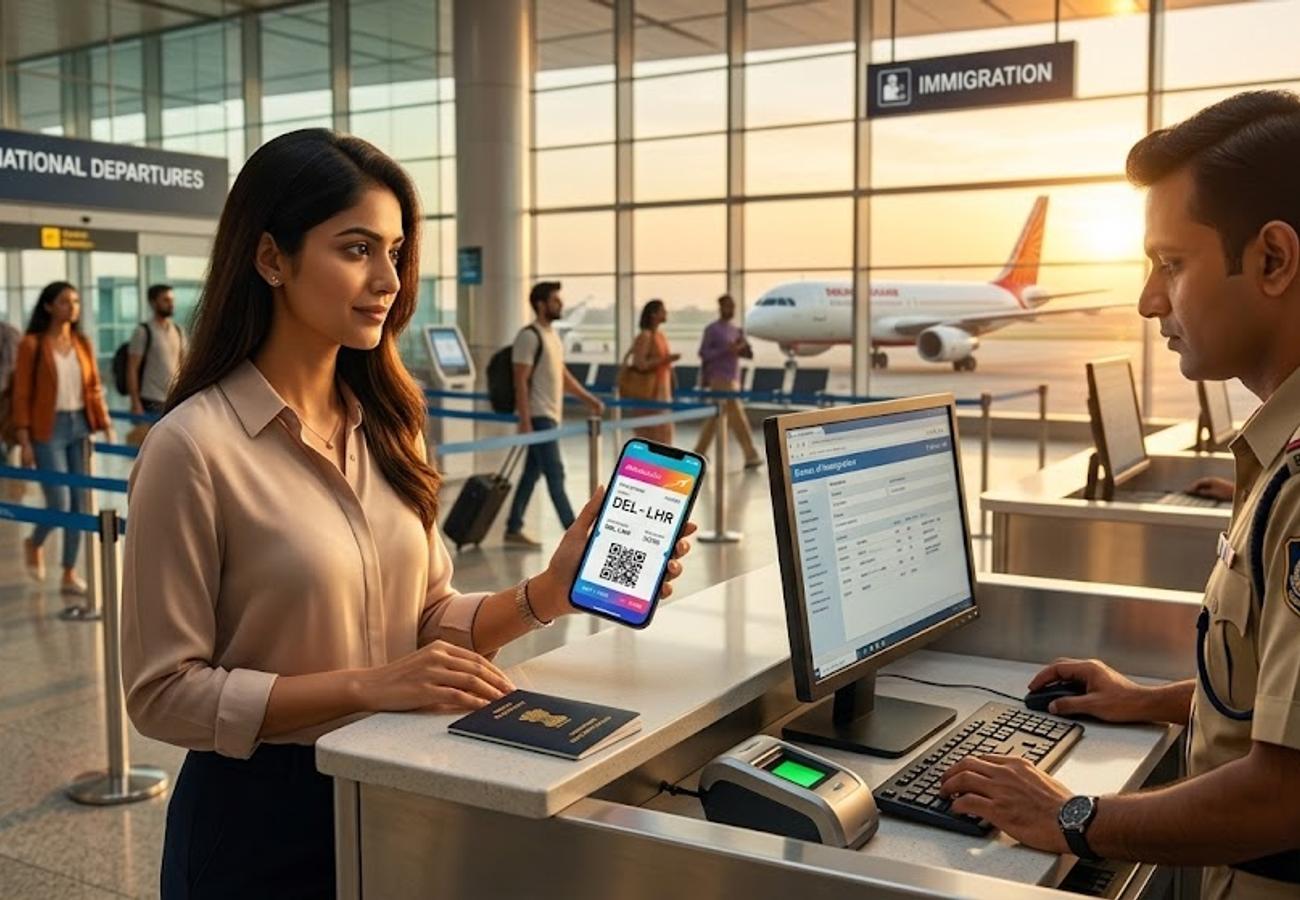
Image generated by AI
International departures from India will see a significant reduction in manual paperwork starting September 1, 2026, as immigration officials cease the mandatory stamping of boarding passes. This shift allows passengers to utilize electronic boarding passes on smartphones for immigration clearance, marking a major leap toward a fully paperless aviation ecosystem.
The Bureau of Immigration (BOI), operating under the Ministry of Home Affairs, has officially mandated the removal of the physical stamping process across all Indian airports. For years, the standard protocol required travelers to present both a passport and a physical boarding pass, the latter of which received a manual stamp before the passenger could proceed to the departure gates. From September 1, this step is eliminated.
The Shift to Digital Immigration
This policy update is not merely a convenience but a response to systemic inefficiencies. The BOI identified that manual stamping often led to passenger delays and document readability issues caused by unclear or incorrectly placed stamps. By removing this requirement, immigration officers can focus entirely on passenger verification and security clearance, accelerating the flow of traffic through international terminals.
For the visitor, the real impact is a streamlined "touch-and-go" experience. Frequent flyers, business travelers, and families managing multiple documents no longer need to worry about the physical integrity of a paper slip to pass through border control. While the digital option is now prioritized, the BOI has clarified that physical boarding passes remain acceptable; they simply will no longer be stamped.
Cultural and Environmental Value
The transition to digital boarding passes aligns with India's broader commitment to sustainable tourism and the "Digital India" initiative. By reducing the reliance on thermal paper—which is often non-recyclable—the aviation sector is lowering its environmental footprint.
Furthermore, this move supports the regional heritage of hospitality by reducing the friction of entry and exit. As India positions itself as a global tourism hub, removing antiquated manual hurdles reflects a modern, tech-forward approach to welcoming international guests. The shift mirrors global trends seen in major aviation hubs where biometric verification and mobile credentials are replacing physical documentation.
Visitor Insider Tips
To ensure a seamless transition through Indian immigration after September 1, 2026, travelers should follow these local expert recommendations:
- Offline Access is Mandatory: Do not rely on airport Wi-Fi to pull up your boarding pass. Save a PDF version or a screenshot to your phone's local gallery to avoid delays at the counter.
- Battery Management: With your primary travel document now residing on your device, carry a portable power bank. A dead phone at the immigration counter can lead to significant delays.
- The "Safety" Print: While not required for stamping, keeping one printed copy of your boarding pass is recommended for those traveling to destinations where subsequent transit airports may still require physical documentation.
- Peak Window Warning: Even with faster processing, avoid arriving at the airport during the 6:00 AM to 9:00 AM window at major hubs like Delhi (DEL) or Mumbai (BOM), as this remains the heaviest departure period regardless of the stamping rule.
Tourism Outlook
The removal of the boarding pass stamp is a precursor to a more ambitious digital overhaul. The BOI is currently considering a pilot program to remove physical immigration entry and exit stamps from passports for Indian citizens. If successful, this would signal the end of the "ink-and-paper" era of border control in India.
As international passenger volumes continue to climb, these efficiencies are vital. The long-term impact will be a reduction in queue times and a more sophisticated data-driven approach to border management, strengthening India's position as a leader in aviation infrastructure.
Summary of New Boarding Pass Rules
| Feature | Old Process (Pre-Sept 1, 2026) | New Process (Post-Sept 1, 2026) |
|---|---|---|
| Stamping Requirement | Mandatory physical stamp on boarding pass | No stamping performed |
| Accepted Format | Primarily physical boarding pass | E-boarding pass (Smartphone) or Physical |
| Immigration Check | Passport + Stamped Boarding Pass | Passport + Digital/Physical Boarding Pass |
| Primary Goal | Manual verification record | Digital efficiency and passenger flow |
The era of the ink stamp is fading, making way for a seamless, screen-based journey.
Related Travel Guides
Disclaimer
This article is for informational and educational purposes only. It does not constitute legal, financial, or professional advice. While we strive to provide accurate and up-to-date information, travel policies, regulations, and conditions change rapidly. Always verify information with official sources before making travel decisions. Nomad Lawyer makes no representations about the accuracy, reliability, completeness, or suitability of the information provided. Readers should consult qualified professionals for advice specific to their circumstances. The views expressed in this article are those of the author and do not necessarily reflect the views of Nomad Lawyer.
Kunal K Choudhary
Co-Founder & Contributor
A passionate traveller and tech enthusiast. Kunal contributes to the vision and growth of Nomad Lawyer, bringing fresh perspectives and driving the community forward.
Learn more about our team →