
India's Domestic Tourism Recovery Summit 2020: How 20+ Industry Leaders Plan to Restart Post-COVID Travel
ETTravelWorld's virtual summit brought together India's top travel and hospitality executives to chart domestic tourism's comeback strategy following COVID-19 disruptions.

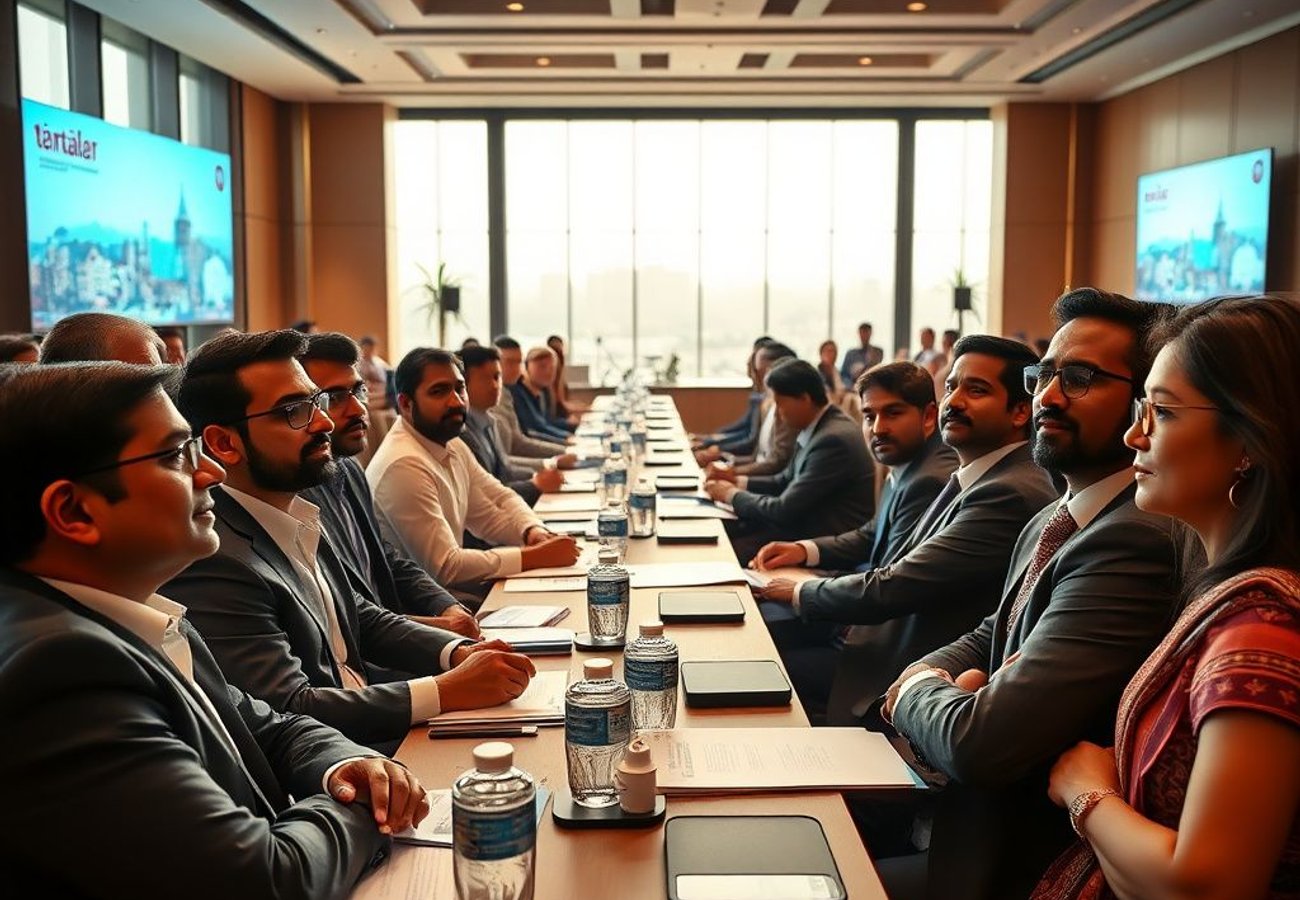
Image generated by AI
The Industry's Lifeline Takes Shape
When Prime Minister Narendra Modi called on every Indian citizen to visit 15 domestic destinations by 2022 during his 2019 Independence Day address, few imagined how prescient those words would become. Fast forward to 2020, and domestic tourism has transformed from a patriotic suggestion into an economic necessity.
The COVID-19 pandemic dealt a devastating blow to India's travel sector. International flights ground to a halt. Hotels emptied. Tour operators scrambled for survival. But amid the wreckage, a critical realization emerged: domestic travel might be the engine that restarts India's tourism machine.
That conviction brought together 20+ industry titans for ETTravelWorld's inaugural virtual summit in July 2020—a first-of-its-kind event designed to chart a path forward when the future looked anything but certain.
When Leadership Gathers in Crisis
The summit's speaker roster read like a who's who of Indian hospitality and travel. Shri Prahlad Singh Patel, Minister of State for Culture and Tourism, delivered the chief guest address. Suman Billa from the United Nations World Tourism Organisation (UNWTO) flew in virtually to provide international perspective. The lineup included Vipul Prakash (Chief Operating Officer, MakeMyTrip and Goibibo), Neeraj Govil (Marriott International South Asia lead), Madhavan Menon (Chairman, Thomas Cook India), and dozens more.
What made this gathering different wasn't just its scale—it was the urgency driving it.
Reddit: "The travel industry was on life support. This summit felt like someone finally asking the tough questions about survival and growth simultaneously." — r/travel
The Five Critical Conversations
The all-day virtual event unfolded across five hours of networked discussions, each tackling a dimension of India's tourism rebuild:
Adventure Tourism as a Growth Driver
Samit Garg (Skywaltz), Padmashri Awardee Ajeet Bajaj (Snow Leopard Adventures), and Kaushik Mukherji (Tourism Consultant) examined how adventure tourism could energize domestic bookings. The logic was straightforward: domestic travelers increasingly sought experiential, local tourism—trekking, wildlife, adventure sports—rather than passive resort stays.
The "New Normal" Takes Form
A packed panel featuring representatives from Wyndham Hotels, SOTC Travel, and Airtravel Enterprises Group wrestled with what post-COVID domestic tourism would actually look like. Contactless check-ins. Reduced capacities. Hygiene protocols that became competitive advantages, not compliance burdens.
Hotel Owners Face Hard Truths
Omer Bin Jung (Prestige Group), Vineet Verma (Brigade Hospitality), Ashish Jakhanwala (SAMHI Hotels), Sanjay Sethi (Chalet Hotels), and Rahul Chaudhary (CG Corp) spoke candidly about their sector's fragility. Hotels had borrowed heavily for expansion. COVID-19 had evaporated occupancy. Domestic tourism represented their only viable path to cash flow recovery.
Aviation's Uncertain Future
Vinod Kannan, Chief Commercial Officer of Vistara, sat down for a focused conversation about whether domestic aviation could sustain itself without international revenue. Spoiler: it was a precarious calculation.
MICE's Hidden Potential
The Meetings, Incentives, Conferences, and Events sector—often overlooked in tourism discussions—emerged as a potentially significant recovery lever. Panel moderator Naveen Rizvi (ICE – Integrated Conference & Event Management) led a conversation suggesting corporate events and conferences could drive hotel bookings and destination visits once in-person gatherings resumed.
The Sustainability Imperative Nobody Ignored
In a moment that revealed the industry's maturity, the summit's closing session tackled sustainable tourism. CB Ramkumar (Board Member, Global Sustainable Tourism Council) argued that rebuilding faster didn't mean rebuilding recklessly. Overtourism, environmental degradation, and cultural erosion had plagued India's tourism hotspots before COVID. The recovery had to correct those mistakes.
Similarly, Himmat Anand (Founder, Tree of Life Resorts) championed self-reliant, locally-owned tourism operations—a direct challenge to mass-market consolidation that had historically squeezed regional players.
Who Needed to Hear This?
The summit strategically targeted state tourism boards, international tourism organizations, corporate travel buyers, hospitality chains, aviation operators, travel agents, and destination operators. Each stakeholder held a piece of the recovery puzzle.
The format—completely virtual, accessible from anywhere—removed geographic barriers. A hotel manager in Rajasthan could listen to Marriott's global perspective without flying to a conference center. A tour operator in Uttarakhand (whose state tourism minister also addressed the summit) could network with international hotel brands.
The Deeper Insight
What made this summit different from typical industry conferences was its honesty about the challenge ahead. This wasn't a "resilience is our strength" pep talk. Industry leaders acknowledged genuine questions: Would travelers trust hotels again? Could airlines operate profitably at reduced capacities? Would international tourists return before domestic tourism alone could sustain the sector?
The answer, they seemed to agree, lay in India's sheer domestic population—1.3+ billion potential travelers—and a cultural shift toward exploring home. Modi's 2019 call for visiting 15 domestic destinations transformed from patriotic rhetoric into practical strategy.
The Road from July 2020
In hindsight, this summit captured a pivotal moment. The industry was broken but not permanently. Virtual events proved viable. Domestic tourism would indeed recover faster than international travel. Hotel owners would survive, though many would restructure. Aviation would struggle longer than expected.
But the conversations—frank, strategic, collaborative—established templates for recovery that guided the sector through 2021 and beyond.
For nomadic professionals, remote workers, and location-independent travelers watching from abroad, this summit signaled something important: India's tourism infrastructure would be strengthened, diversified, and increasingly accessible across all income segments. The roads to Rajasthan's palaces, Uttarakhand's mountains, and coastal treasures would see investment and innovation.
The future of travel doesn't restart with grand reopenings—it rebuilds through honest conversations among people willing to bet on recovery.
Related Travel Guides
Disclaimer
This article is for informational and educational purposes only. It does not constitute legal, financial, or professional advice. While we strive to provide accurate and up-to-date information, travel policies, regulations, and conditions change rapidly. Always verify information with official sources before making travel decisions. Nomad Lawyer makes no representations about the accuracy, reliability, completeness, or suitability of the information provided. Readers should consult qualified professionals for advice specific to their circumstances. The views expressed in this article are those of the author and do not necessarily reflect the views of Nomad Lawyer.
Raushan Kumar
Founder & Lead Developer
Full-stack developer with 11+ years of experience and a passionate traveller. Raushan built Nomad Lawyer from the ground up with a vision to create the best travel and law experience on the web.
Learn more about our team →