
India's Chip-Enabled E-Passport Rollout 2026: What Frequent International Travelers Need to Know
India's new chip-enabled e-passport transforms border crossings with embedded RFID security. Here's exactly how it affects your travel, where to apply, and what changes for digital nomads.

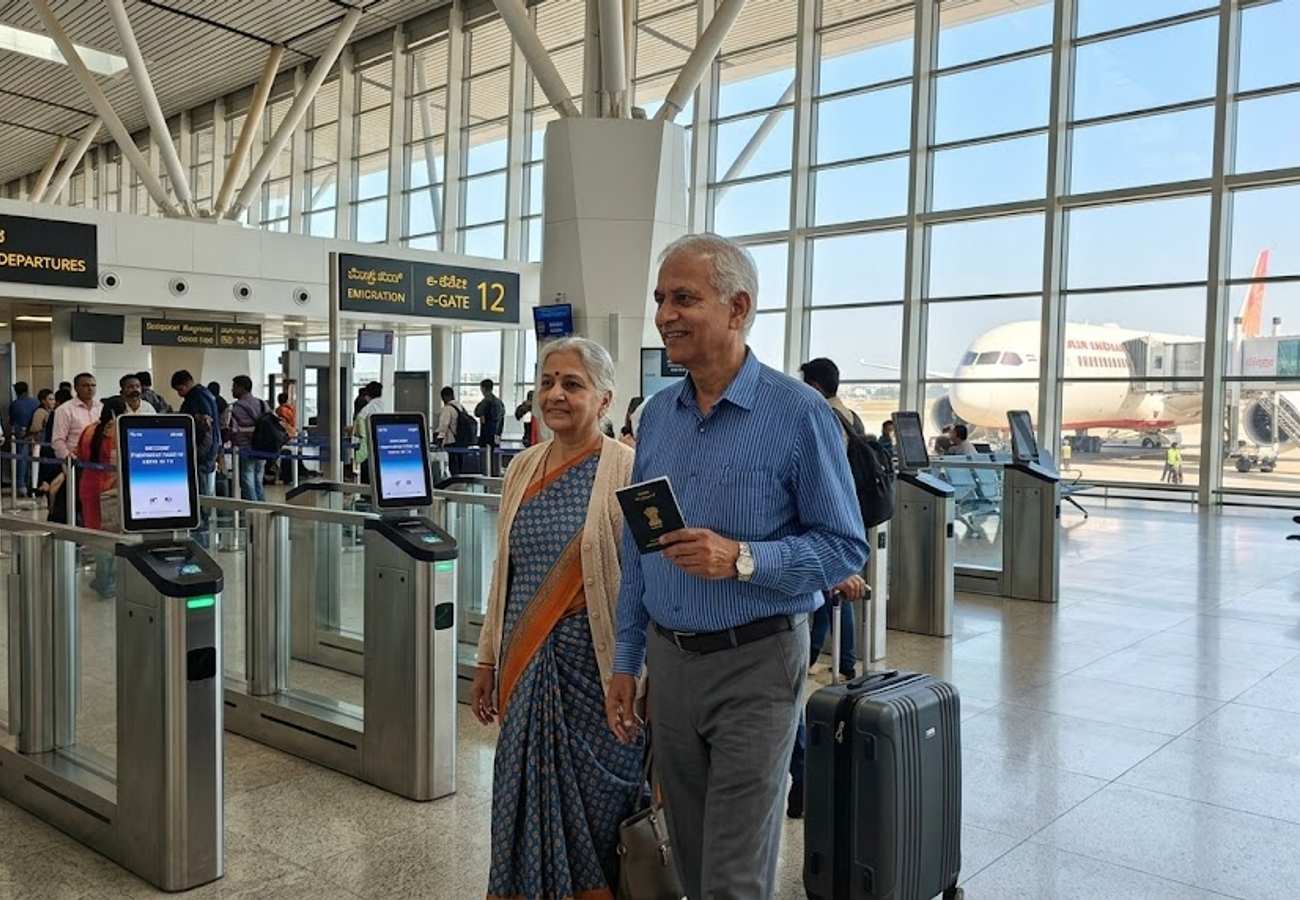
Image generated by AI
I first encountered India's new chip-enabled e-passport while renewing my travel documents at the Passport Seva Kendra in Delhi's Jhandewalan area. The difference was immediate: instead of the standard blue booklet I'd carried for years, I received a document with a small, unmistakable gold symbol embossed on the cover. That symbol represents something significant for travelers—a shift from paper-based identity verification to embedded digital security.
What's Actually Changed at the Border
When I crossed into Thailand last month using the new e-passport, the automated e-gates at Suvarnabhumi Airport read my document in under three seconds. The chip stores your biometric data (fingerprints, facial scan) alongside passport details using Public Key Infrastructure (PKI) encryption. This isn't theoretical—it eliminated the manual document inspection entirely. I watched the gate officer at the next lane spend five minutes on a traveler with a traditional passport while my lane processed six passengers.
The RFID chip embedded inside contains a microprocessor and antenna. This creates what immigration officials call "layered verification"—the officer can see your printed information while the system simultaneously verifies the digital signature stored on the chip. If the data doesn't match, the system flags it. No more ambiguous watermark interpretations.
"Skip waiting in the standard queue at Indian airports. If you have the e-passport, use the e-gate lanes. Most travelers don't know these exist, so they're empty. Applied for mine at the Indiranagar PSK in Bangalore and got it in 18 days." — u/travel_india_reddit
The Application Reality (Not the Marketing Version)
Here's what actually happens when you apply. You'll need to log into the Passport Seva Online Portal, which is sluggish but functional. The form itself takes 15 minutes. You pay fees online (₹1,500 for a standard 36-page adult passport as of July 2026), and then you book an appointment at your nearest Passport Seva Kendra (PSK) or Post Office Passport Seva Kendra (POPSK).
This is where patience matters. The major urban centers—Delhi's Indiranagar and Jhandewalan offices, Mumbai's Worli PSK, Bangalore's Indiranagar center—process 400-500 applications daily. Book 4-6 weeks in advance if you can. When you visit, bring original documents plus one photocopy of everything. The staff will take your biometrics (fingerprints and a digital photograph) in-person. This is non-negotiable—no remote processing.
Processing time varies wildly. Express delivery (15 days) costs extra. Standard delivery (30-45 days) is the norm, though delays happen. I've seen applications stuck at the "Printing" stage for an extra week during peak summer travel season.
The Gold Symbol Signals the Upgrade
When your e-passport arrives, you'll see that gold security symbol on the front cover. This isn't decorative—it tells every immigration official worldwide that your document contains a chip. Automated border gates in most developed countries now read these chips. The U.S., UK, EU, Australia, and Japan's immigration systems all support chip reading.
The catch: smaller airports and developing nations may not have automated gates compatible with the chip. If you land in Cambodia or Laos, expect manual processing regardless. The chip doesn't speed things up everywhere—it speeds things up where the infrastructure exists.
Do You Actually Need to Replace Your Current Passport?
No. Your existing passport remains valid until expiry. The government isn't forcing a replacement. If your passport expires in 2029, you can renew it then and receive the e-version. If you're applying for a fresh passport or a reissue (lost, damaged, name change), you'll automatically get the chip-enabled version from any office with the technical capability.
Not every Passport Seva Kendra issues e-passports yet. Call ahead and ask: "Kya aap e-passport issue karte ho?" (Do you issue e-passports?). Smaller towns may still use the older system. Delhi, Mumbai, Bangalore, Hyderabad, and Chennai have full rollout.
What This Means for Digital Nomads and Frequent Travelers
If you're moving between Southeast Asia, South Asia, or traveling to developed nations regularly, the e-passport eliminates friction at automated gates. You'll spend less time in immigration lines. This matters when you're crossing borders every two months.
The biometric data on the chip also reduces your risk from forged documents. A counterfeit would fail chip verification instantly. For nomads dealing with questionable accommodation or storage situations, this is a real security upgrade.
However, if you travel primarily to countries without automated gate infrastructure, the e-passport offers convenience but not necessity.
Practical Visitor Guide
Best Time to Apply Apply during off-peak months: November-January or May-June. Avoid July-August (peak summer travel) and December (holiday rush). Applications filed in these months face 45-60 day delays.
Local Safety & Document Security Keep your passport in a hotel safe or guesthouse locker, never in checked luggage for day trips. The chip can't be remotely read beyond 10 centimeters, so pickpockets can't copy your data while the passport is in your pocket. Photocopy the biographical page and store it separately.
Budget Expectations Standard 36-page adult passport: ₹1,500. Express delivery (15 days): ₹3,500. Child passport (under 15): ₹1,000. International courier delivery available but adds ₹500-800. Factor in photos (₹200-300) and photocopies (₹20-50).
Where to Apply Delhi: Jhandewalan PSK (fastest processing, always crowded), Indiranagar PSK. Mumbai: Worli PSK, Fort PSK. Bangalore: Indiranagar PSK, Whitefield POPSK. Smaller cities: Check the Passport Seva portal locator for your nearest center.
Required Documents Birth certificate or school leaving certificate, PAN or voter ID, proof of address (utility bill or rent agreement dated within 3 months), photograph (4x6cm, recent, white background).
Processing Expectations Track your application status daily on the Passport Seva portal using your application number. Status updates appear 24-48 hours after you visit for biometrics. Expect processing to accelerate in weeks 3-4.
The e-passport isn't revolutionary for occasional travelers—but if you're crossing borders monthly, that three-second e-gate clearance beats standing in line.
Related Travel Guides
Disclaimer
This article is for informational and educational purposes only. It does not constitute legal, financial, or professional advice. While we strive to provide accurate and up-to-date information, travel policies, regulations, and conditions change rapidly. Always verify information with official sources before making travel decisions. Nomad Lawyer makes no representations about the accuracy, reliability, completeness, or suitability of the information provided. Readers should consult qualified professionals for advice specific to their circumstances. The views expressed in this article are those of the author and do not necessarily reflect the views of Nomad Lawyer.
Preeti Gunjan
Contributor & Community Manager
A passionate traveller and community builder. Preeti helps grow the Nomad Lawyer community, fostering engagement and bringing the reader experience to life.
Learn more about our team →