
India’s Travel Season Expands: September-October Emerges as the New Festive Holiday Window

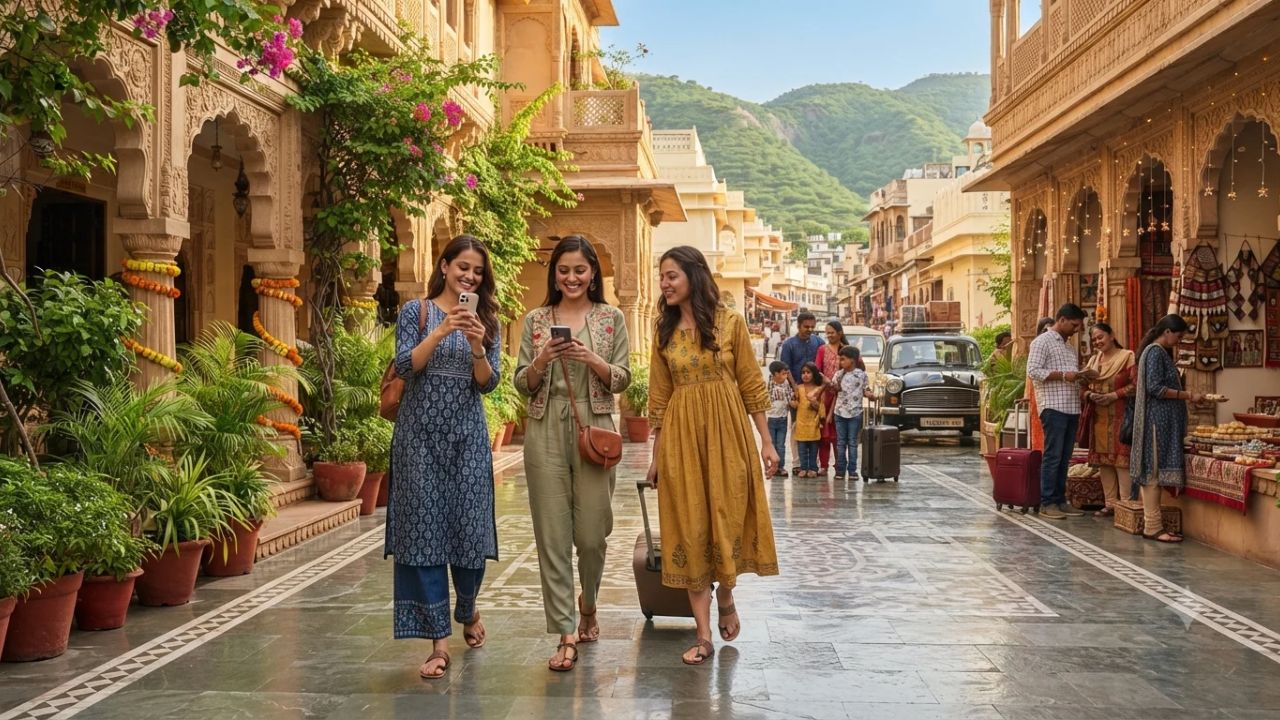
Image generated by AI
Anchored by a consecutive cluster of five major festival holidays and long weekends, September and October have transformed from a quiet post-monsoon shoulder lull into India’s fastest-growing leisure travel window. By bridging the gap between summer school breaks and the hyper-inflated year-end surges of Diwali, Christmas, and New Year, early autumn now drives millions of domestic road trips and short-haul international flights as Indian households embrace frequent, experience-led micro-vacations.
The Autumn Structural Shift: Why the Indian Holiday Calendar Is Decoupling From Year-End Peaks
Historically, the consumer travel rhythm of urban India was governed by two predictable extremes: scorching summer breaks in May and June, followed by deep winter holiday spikes during Diwali, Christmas, and New Year. During those traditional peak corridors, commercial aviation capacity strained under record demand, hotel room tariffs inflated by 200 to 300 percent, and major tourist circuits suffered from severe overcrowding.
The emergence of September and October as a standalone travel season represents a structural evolution in holiday behavior. This shift is driven by a calendar alignment that brings together Ganesh Chaturthi, Gandhi Jayanti, Navratri, Durga Puja, and Dussehra in close succession. Working professionals and multi-generational families are capitalizing on these public holidays by pairing them with one or two days of paid leave to engineer four- to nine-day vacation blocks without exhausting annual leave balances.
National promotional frameworks overseen by the Ministry of Tourism, Government of India have actively supported this calendar expansion. Rather than concentrating their leisure budgets on a single, expensive holiday at the end of the year, urban consumers now favor multiple high-frequency breaks spread across the second half of the year, transforming seasonal tourism into an unbroken six-month operational cycle.
Post-Monsoon Domestic Dynamics and the Outbound Short-Haul Surge: The Destination Matrix
The popularity of early autumn travel within the subcontinent is reinforced by meteorological timing. As monsoon downpours recede across central and northern India, river basins clear, forests regain lush foliage, and temperatures moderate across mountain passes and coastal resorts.
This environmental transition fuels a surge in domestic road trips. Rapid expressway expansion across Uttar Pradesh, Maharashtra, and Karnataka allows urban travelers to reach Western Ghats hill stations, Himalayan valleys, and national parks in half the driving time required a decade ago. Cultural travel reaches its annual peak as domestic travelers journey to Kolkata for the monumental public art installations of Durga Puja, visit Gujarat for Navratri festivities, or explore heritage temple trails in central India.
Concurrently, international outbound movement during September and October is expanding rapidly. The Directorate General of Civil Aviation (DGCA) monitors rising seat capacity on short-haul overseas routes as Indian vacationers take advantage of visa waivers and streamlined electronic permits.
Southeast Asian destinations—including Thailand, Vietnam, Malaysia, Indonesia (Bali), and Singapore—absorb massive leisure volume due to affordable four- to five-hour non-stop flights. The Tourism Authority of Thailand reports steady Indian family arrivals during early autumn, while East Asian destinations like Japan and South Korea attract travelers seeking pleasant autumn temperatures and early foliage colors. In Europe, autumn shoulder-season conditions offer reduced hotel tariffs and smaller crowds compared to the frantic summer rush.
| Travel Sector / Corridor | Primary Seasonal Catalysts | Preferred Travel Format | Typical Trip Duration | Price Advantage vs Diwali / New Year Peak |
|---|---|---|---|---|
| Domestic Hill & Forest Corridors | Post-monsoon waterfalls, cool mountain air | Self-drive expressway road trips | 3 to 5 days | 25% to 40% lower hotel room rates |
| Eastern Cultural Circuits (Bengal) | Durga Puja pandal displays, folk arts | City stays, heritage walking tours | 4 to 6 days | Cultural peak; premium festive packages |
| Short-Haul Southeast Asia | Visa waivers (Thailand, Vietnam, Malaysia) | Beach resorts, island-hopping, urban dining | 5 to 7 days | Significant savings on international airfares |
| East Asia (Japan & South Korea) | Pleasant autumn weather, cultural festivals | High-speed rail tours, culinary itineraries | 7 to 10 days | Avoids winter sub-zero temperatures |
| Southern Coastal & Backwaters | Clear skies, Ayurvedic wellness season | Houseboats, beach villas, wellness retreats | 4 to 6 days | Optimal seasonal weather before peak winter tariffs |
Expert Analysis: Yield Arbitrage, High-Frequency Micro-Trips, and Hospitality Monetization
From an aviation revenue and hospitality management standpoint, the rise of September and October represents a lucrative monetization of shoulder-season capacity.
The pricing pressure this creates means airlines and resort operators no longer face a catastrophic revenue slump between August and late October. For travelers booking this route, the direct consequence is unprecedented cost efficiency: booking flights and accommodations during the Ganesh Chaturthi or Gandhi Jayanti holiday windows delivers luxury resort experiences at 30 to 50 percent below the peak rates charged during Diwali week or New Year's Eve.
Savvy travelers use this pricing spread to execute yield arbitrage. Families that find themselves priced out of five-star beach resorts in Goa or luxury jungle lodges in Ranthambore during December can access those exact properties in early October for the price of mid-tier lodging. This budget efficiency frees up financial bandwidth to purchase upgraded flights, private guided tours, and premium culinary tastings.
The underlying behavioral change is permanent. Rather than forcing festive celebrations to remain confined inside living rooms, modern Indian households are taking their family celebrations on the road. By blending sacred rituals with outdoor adventure and global discovery, early autumn has solidified its place as the dynamic opening chapter of India’s grand annual holiday season.
Key Takeaways
- Emergence of Early Autumn Travel: September and October have transformed into a primary holiday window, bridging the gap between summer vacations and winter peak travel.
- Clustered Festival Holidays: Five major occasions—Ganesh Chaturthi, Gandhi Jayanti, Navratri, Durga Puja, and Dussehra—provide ideal multi-day holiday bridges.
- Favorable Post-Monsoon Conditions: Receding rains create pristine conditions for self-drive expressway road trips, wildlife reserves, and Himalayan retreats.
- Booming Short-Haul Outbound: Visa waivers and affordable non-stop flights drive strong Indian traveler flows to Thailand, Vietnam, Malaysia, and Singapore.
- Significant Cost Advantages: Traveling in September and October offers 25 to 40 percent savings on flights and luxury lodging compared to Diwali and New Year peak weeks.
FAQ: India September-October Travel Season 2026
Why has September and October become a popular travel window in India?
A cluster of consecutive religious festivals and public holidays, combined with clear post-monsoon weather and affordable shoulder-season pricing, makes early autumn ideal for micro-vacations.
Which festivals create long weekends during this period?
Ganesh Chaturthi, Gandhi Jayanti, Navratri, Durga Puja, and Dussehra provide multiple long weekends, allowing travelers to take short breaks without using extensive vacation days.
What domestic destinations are best to visit in September and October?
Popular domestic choices include Himalayan hill stations, the Western Ghats, wildlife reserves, Kerala backwaters, and cultural centers like Kolkata during Durga Puja and Gujarat during Navratri.
Which international destinations are most popular for Indian travelers in autumn?
Short-haul Southeast Asian countries—including Thailand, Vietnam, Malaysia, Indonesia (Bali), and Singapore—lead outbound demand, alongside Japan and European cultural centers.
As monsoon clouds give way to golden autumn skies, India’s modern travelers are proving that every holiday on the calendar is an open invitation to explore.
Related Travel Guides
Chitrakoot Link Expressway Expanded to Six Lanes: Delhi to Holy Dham in Under Six Hours
Kolkata Airport Winter Schedule 2026: Airlines Surge Flights Across India and Global Hubs
IndiGo Overhauls Domestic Ancillary Tariffs: Infant, Baggage, and Priority Fees Rise Across India
Disclaimer
This article is for informational and educational purposes only. It does not constitute legal, financial, or professional advice. While we strive to provide accurate and up-to-date information, travel policies, regulations, and conditions change rapidly. Always verify information with official sources before making travel decisions. Nomad Lawyer makes no representations about the accuracy, reliability, completeness, or suitability of the information provided. Readers should consult qualified professionals for advice specific to their circumstances. The views expressed in this article are those of the author and do not necessarily reflect the views of Nomad Lawyer.
Kunal K Choudhary
Co-Founder & Contributor
A passionate traveller and tech enthusiast. Kunal contributes to the vision and growth of Nomad Lawyer, bringing fresh perspectives and driving the community forward.
Learn more about our team →