
India Braces for Active Monsoon Systems as Heavy Rain Alerts Expand in Odisha and Eastern States
India's Meteorological Department has issued extreme heavy rain and landslide alerts across Odisha, Gangetic West Bengal, and Himalayan states as monsoon systems intensify through August 21, 2026.

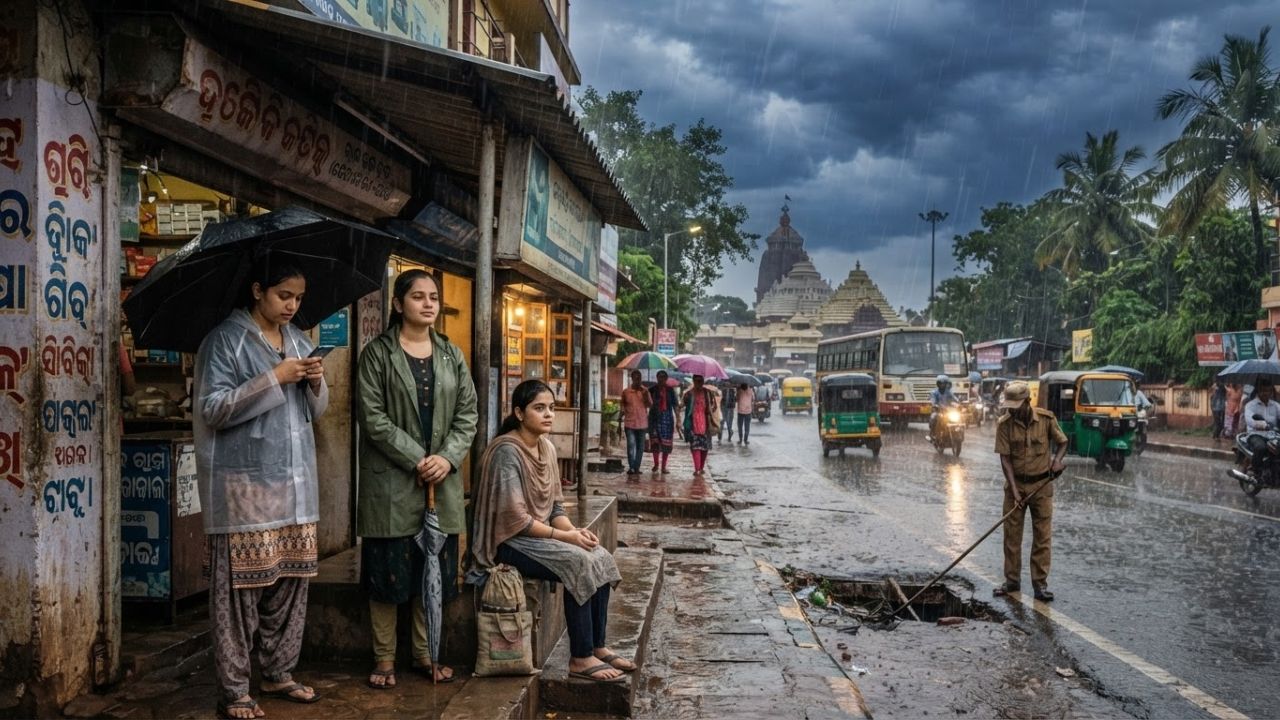
Image generated by AI
Active weather systems are intensifying across India, bringing extreme heavy rainfall and high-speed winds to Odisha, Gangetic West Bengal, and the Himalayan states through August 21, 2026. With meteorological warnings predicting squally wind speeds of up to 55 kmph and gusts reaching 65 kmph over coastal waters, travelers and fishermen are advised to observe strict safety protocols.
Active Weather Systems Focus on Odisha and Gangetic West Bengal
Eastern India is expected to experience the most intense monsoon conditions during the current forecast period. Widespread rainfall is predicted across Gangetic West Bengal and Odisha, with isolated extremely heavy showers expected on August 17. The Indian Meteorological Department has warned that the rainfall is not limited to coastal zones, as Jharkhand is also experiencing strong monsoon conditions across multiple districts. Additionally, Bihar is forecast to receive widespread rainfall between August 17 and August 20, keeping the entire eastern region under active weather advisories.
Odisha and West Bengal are facing major challenges due to these intense downpours, particularly in low-lying urban areas with poor drainage systems. The heavy showers increase the risk of urban waterlogging, localized road closures, and temporary delays in daily transit. Meanwhile, the Andaman and Nicobar Islands, Sub-Himalayan West Bengal, and Sikkim are expected to receive fairly widespread to widespread rainfall throughout the forecast period, reflecting the strength of the current monsoon phase across eastern India.
Himalayan States Prepare for Mudslides and Landslide Risks
The Himalayan region remains under close watch throughout the week, with frequent rainfall predicted across Himachal Pradesh, Jammu and Kashmir-Ladakh, and Uttarakhand. These mountainous areas are highly sensitive to intense rainfall because steep terrain and unstable slopes increase the risk of landslides and mudslides. Heavy showers can quickly wash away sections of mountain roads, blocking transportation routes and creating significant challenges for local transit networks in remote districts.
In northern India, East Uttar Pradesh is forecast to receive widespread rainfall between August 16 and August 21, while Haryana, Chandigarh, and Delhi are expected to experience heavy rain around August 18. The combination of active rain systems and saturated ground conditions creates difficult commuting conditions, particularly for travelers and residents living in low-lying or landslide-prone valleys. Authorities have advised travelers to postpone non-essential mountain journeys until weather conditions stabilize.
Persistent Monsoon Conditions in the Northeast and Central Regions
Northeastern India remains one of the wettest zones during this active monsoon spell. Arunachal Pradesh is forecast to receive fairly widespread to widespread rainfall until August 21, while Assam and Meghalaya are scheduled to experience heavy rain between August 17 and August 21. Other northeastern states, including Nagaland, Manipur, Mizoram, and Tripura, are also expected to witness widespread showers from August 16 to August 21. The region's steep mountainous terrain increases the possibility of local river flooding and road blockages, requiring travelers to remain highly cautious.
Central India is also experiencing active monsoon conditions, with Chhattisgarh and East and West Madhya Pradesh expected to receive widespread rainfall until August 21. Vidarbha is forecast to see similar weather until August 18, with isolated heavy downpours expected in several parts of the region. In western India, Konkan and Goa are likely to receive fairly widespread to widespread rainfall throughout the week, while the Gujarat region will witness widespread rain around August 16, accompanied by isolated heavy showers in parts of Madhya Maharashtra.
Southern States and Travel Transport Disruptions
In southern India, the southwest monsoon continues to bring active weather to the coast. Coastal Karnataka, Kerala, and Mahe are expected to receive fairly widespread rainfall until August 21. Scattered showers are forecast across Tamil Nadu, Puducherry, Karaikal, Telangana, Coastal Andhra Pradesh, Yanam, and both North and South Interior Karnataka. While the intensity of the rain in the south is expected to remain lower compared to eastern and northeastern India, continued showers are still affecting local transport networks and outdoor leisure activities.
The weather department has warned that intense rainfall combined with strong winds can disrupt daily travel operations. Water accumulation on major roads, reduced visibility during heavy downpours, and damage to weaker structures can lead to road and rail service delays. Additionally, aviation operations, including regional helicopter services in mountainous and tourist areas, are facing challenges due to poor visibility and high winds, requiring travelers to check flight statuses regularly.
Marine Alerts and Fishermen Warnings in Coastal Zones
Coastal regions are experiencing rough maritime conditions due to strong wind activity over parts of the Arabian Sea and the Bay of Bengal. Squally winds reaching speeds of 45 to 55 kmph, with gusts up to 65 kmph, are expected over open marine areas, prompting official warnings for maritime operators and shipping lanes.
In addition, coastal regions of West Bengal, Odisha, north Andhra Pradesh, and Bangladesh are expected to experience strong winds reaching speeds of 40 to 50 kmph, with gusts up to 60 kmph. Fishermen have been officially advised to avoid venturing into the sea during this active weather phase, as rough waters and high waves present significant safety hazards. Coastal authorities are monitoring sea conditions closely to ensure public safety along public beaches and fishing ports.
Visitor Guide: Safe Monsoon Escapes, Local Dining, and Travel Protocols
While extreme weather warnings require travelers to avoid high-risk zones, the monsoon season also creates opportunities to experience India’s natural beauty in safer, low-lying regions. By following disaster management guidelines, travelers can enjoy a safe and authentic journey.
For a scenic monsoon escape, consider taking the train journey from Visakhapatnam to Araku Valley in Andhra Pradesh, where the Vistadome coach offers panoramic views of misty green hills. Another option is the historic town of Mandu in Madhya Pradesh, where ancient stone monuments like the Jahaz Mahal look spectacular when surrounded by rain-soaked gardens. In Odisha, travelers can explore nature-focused stays in the quiet districts of Koraput, focusing on scenic valley views rather than remote mountain hikes.
To experience authentic local cuisine during the rainy season, try traditional comfort foods that are prepared hot. In Odisha, savor Dalma, a nutritious lentil and vegetable stew slow-cooked with pumpkin, raw bananas, and eggplant, tempered with local spices and finished with ghee. Pair it with Chhena Poda, the famous Odia baked cheese dessert made from fresh cottage cheese and sugar, caramelized in banana leaves. When traveling, enjoy hot vegetable fritters (bhajias) paired with warm cardamom tea (chai).
Follow strict health and safety protocols during the monsoon. Drink only filtered, boiled, or bottled water to prevent waterborne illnesses. Wear slip-resistant, waterproof footwear to navigate wet paths safely, and keep all electronic devices and travel documents in secure, dry bags. Monitor official weather alerts using the Indian Meteorological Department (IMD) portal or mobile applications like Sachet (for national alerts) and Damini (for lightning warnings). Avoid visiting landslide-prone regions in Uttarakhand and Himachal Pradesh during active red-alert periods, and never attempt to walk or drive through flooded streets.
Future Outlook: Rebuilding Infrastructure and Climate Preparedness
The ongoing monsoon spell highlights the importance of municipal preparedness and climate-resilient planning across India’s rapidly growing regions. Rebuilding transport infrastructure and enhancing drainage systems are vital to minimizing the economic impact of severe seasonal storms.
Ultimately, long-term destination safety depends on close coordination between meteorological departments, local authorities, and the travel industry. By improving early warning systems, upgrading urban drainage grids, and educating travelers on regional weather safety, India can protect its valuable tourism assets and local communities, showing that sustainable travel and environmental resilience can progress together.
Related Travel Guides
Disclaimer
This article is for informational and educational purposes only. It does not constitute legal, financial, or professional advice. While we strive to provide accurate and up-to-date information, travel policies, regulations, and conditions change rapidly. Always verify information with official sources before making travel decisions. Nomad Lawyer makes no representations about the accuracy, reliability, completeness, or suitability of the information provided. Readers should consult qualified professionals for advice specific to their circumstances. The views expressed in this article are those of the author and do not necessarily reflect the views of Nomad Lawyer.
Preeti Gunjan
Contributor & Community Manager
A passionate traveller and community builder. Preeti helps grow the Nomad Lawyer community, fostering engagement and bringing the reader experience to life.
Learn more about our team →