
Emirates Deploys Reconfigured A380 with 569-Seat Layout, Signaling Strategic Shift in Superjumbo Fleet Strategy
Breaking airline news and aviation industry updates for 2026.

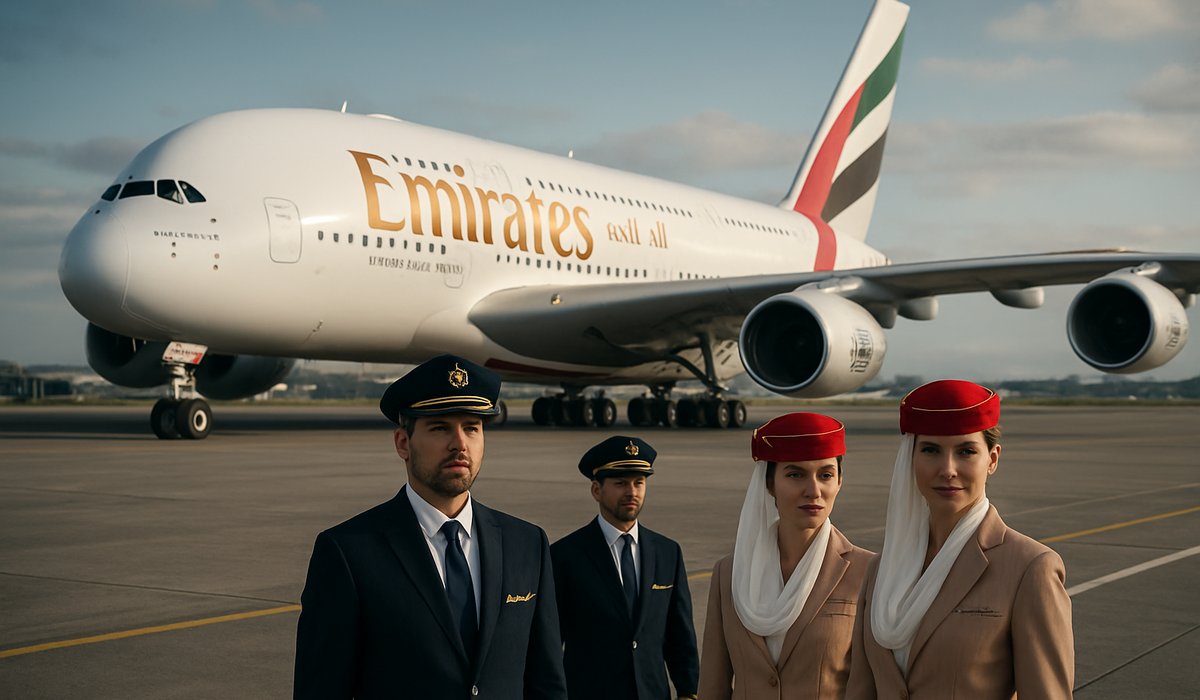
Image generated by AI
Emirates Deploys Reconfigured A380 with 569-Seat Layout, Signaling Strategic Shift in Superjumbo Fleet Strategy
After production delays, the carrier launches its first commercial service on the redesigned aircraft, prioritizing premium seating over maximum density
Historic Debut Marks New Era for World's Largest Passenger Aircraft
Emirates is poised to launch commercial operations on a significantly reconfigured Airbus A380 starting May 1, marking a pivotal moment in the aviation industry's approach to ultra-large aircraft deployment. The superjumbo, now featuring a 569-seat configuration, represents a notable departure from the carrier's previous high-density setup and underscores evolving strategies within the competitive airline sector regarding passenger capacity versus revenue optimization.
The redesigned aircraft replaces Emirates' earlier A380 configuration, which accommodated 615 passengers. While this represents a reduction of 46 seats—or approximately 7.5 percent—the new arrangement reflects industry-wide trends toward enhancing passenger comfort and ancillary revenue through premium cabin offerings rather than pursuing absolute capacity maximization.
Production Timeline and Strategic Implications
The May 1 inaugural flight comes after multiple delays disrupted the airline's original deployment timeline, a common challenge within aircraft manufacturing and delivery schedules. The reconfiguration decision carries broader implications for the superjumbo market, particularly given the limited number of carriers currently operating the A380 and ongoing debates surrounding the aircraft's long-term viability in an era of fuel-efficient twin-engine jets.
Emirates' investment in redeploying its A380 fleet with enhanced cabin products signals confidence in premium-cabin demand on key international routes, despite industry headwinds including volatile jet fuel prices and evolving post-pandemic travel patterns. The decision to prioritize passenger experience metrics over sheer capacity aligns with industry observations that premium cabin yields often outpace economy revenue on long-haul services.
Broader Aviation Sector Outlook
The move contextualizes ongoing transformations within the global aviation industry, where carriers continually recalibrate fleet strategies amid inflationary pressures, labor cost increases, and dynamic fuel markets. Airline fees, including baggage charges and seat selection premiums, have become increasingly integral to overall revenue models, making cabin configuration decisions commercially strategic rather than merely operational.
For the aviation industry writ large, Emirates' A380 reconfiguration exemplifies how established carriers are adapting to contemporary market conditions while maintaining competitive positioning on premium routes. As the global aviation sector navigates post-pandemic recovery trajectories, such strategic fleet adjustments will likely continue shaping competitive dynamics among long-haul carriers.
Frequently Asked Questions
What is the new seating capacity of Emirates' reconfigured A380? The redesigned aircraft features 569 seats, a reduction from the previous 615-seat configuration, prioritizing cabin comfort and premium offerings.
When does Emirates' first A380 commercial flight operate? The inaugural service launches on May 1, following production delays from its original scheduled date.
Why did Emirates reduce the A380's passenger capacity? The reduction reflects industry trends favoring premium cabin revenue and passenger experience over maximum density, allowing for higher-yield services on international routes.
How do airline fees and baggage charges factor into reconfiguration decisions? Enhanced cabin configurations support premium seating, which commands higher base fares and ancillary fees, improving overall revenue per available seat mile (RASM).
What does this mean for the future of the Airbus A380? The move indicates select carriers remain committed to ultra-large aircraft operations when positioned strategically for premium-focused routes, though the A380 market remains limited globally.
Related Travel Guides
Flight Delay Compensation Guide 2026
Understanding Airline Route Changes
Airport Security Process Updated (2026)
External Resources
Disclaimer
This article is for informational and educational purposes only. It does not constitute legal, financial, or professional advice. While we strive to provide accurate and up-to-date information, travel policies, regulations, and conditions change rapidly. Always verify information with official sources before making travel decisions. Nomad Lawyer makes no representations about the accuracy, reliability, completeness, or suitability of the information provided. Readers should consult qualified professionals for advice specific to their circumstances. The views expressed in this article are those of the author and do not necessarily reflect the views of Nomad Lawyer.
Kunal K Choudhary
Co-Founder & Contributor
A passionate traveller and tech enthusiast. Kunal contributes to the vision and growth of Nomad Lawyer, bringing fresh perspectives and driving the community forward.
Learn more about our team →