
IEC 62217 Composite Insulators: New 2026 Railway Compliance Deadlines
Railway operators face stricter IEC 62217 Edition 3:2025 compliance requirements in 2026. New testing protocols and acceptance criteria demand infrastructure upgrades across European rail networks.

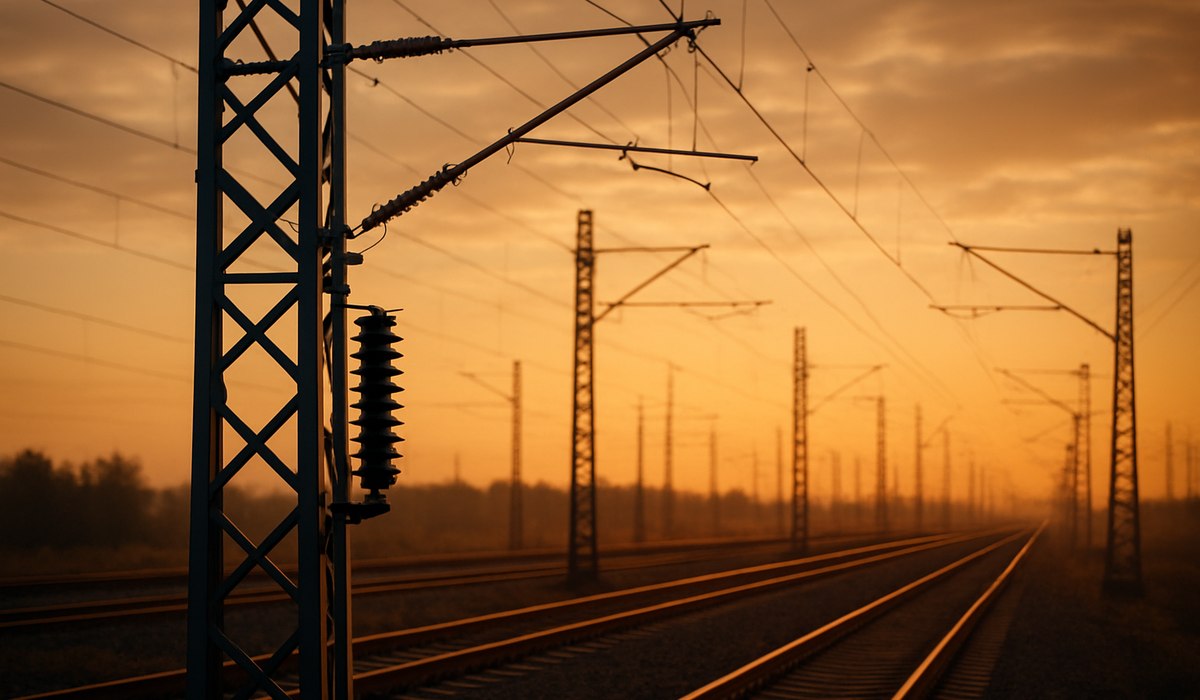
Image generated by AI
Railway Networks Face New Insulator Safety Standards in 2026
European railway operators must prepare for stricter IEC 62217 Edition 3:2025 compliance requirements affecting composite insulators across their networks. This revision introduces elevated acceptance criteria and mandatory testing protocols that impact infrastructure maintenance schedules, operational timelines, and service continuity throughout 2026 and beyond. The updated standard applies to all railway operators, original equipment manufacturers (OEMs), and infrastructure contractors managing overhead electrification systems. Understanding these changes is critical for maintaining uninterrupted rail service and ensuring passenger safety.
The International Electrotechnical Commission's latest IEC 62217 composite insulators specifications demand comprehensive reassessment of existing infrastructure. This includes testing protocols previously considered optional, performance benchmarks now mandatory, and environmental resilience requirements more stringent than earlier editions. Rail operators across the UK, continental Europe, and beyond must align their maintenance schedules and procurement strategies accordingly.
What's Changed in IEC 62217 Edition 3:2025
The 2025 revision represents a substantial shift in composite insulator standardization for railway applications. Previous editions allowed manufacturers greater flexibility in testing methodologies and acceptance thresholds. Edition 3:2025 eliminates this discretion with precisely defined acceptance criteria applicable across all operational contexts.
Key updates include enhanced mechanical performance requirements, extended environmental stress testing protocols, and stricter leakage current measurements under contamination conditions. The revision also introduces new tracking and erosion resistance parameters reflecting real-world railway operating environments. These changes respond to field experience data collected over the past decade, addressing failure modes identified in high-speed rail networks and electrified freight corridors.
Manufacturers must now demonstrate compliance through accelerated aging tests, hydrophobicity recovery assessments, and comprehensive salt-fog exposure protocols. The standard also mandates superior contamination performance, critical for railways in coastal regions, industrial areas, and regions experiencing seasonal salt applications to track systems.
For detailed technical specifications, consult the International Electrotechnical Commission's official standards documentation.
Compliance Requirements for Railway Operators and OEMs
Railway operators must conduct comprehensive audits of their overhead line equipment before 2027 implementation deadlines. IEC 62217 composite insulators now require certification documents verifying compliance with Edition 3:2025 specifications. This applies to new installations, replacement components, and existing systems undergoing major maintenance.
Original equipment manufacturers face accelerated certification timelines. New products cannot enter the railway supply chain without testing reports demonstrating Edition 3:2025 compliance. Existing inventory must be retested if manufacturers claim continued compliance. Dual-sourcing strategies become essential as suppliers transition manufacturing processes to meet updated performance benchmarks.
Railway infrastructure contractors must update their technical specifications, procurement documents, and quality assurance procedures. Maintenance personnel require training on new testing methodologies and acceptance criteria. Documentation systems must track component provenance and certification status throughout the asset lifecycle.
Organizations failing to achieve compliance by specified deadlines risk service restrictions, operational penalties, and mandatory infrastructure replacement programs. Several European rail authorities have already announced enforcement schedules with compliance checkpoints throughout 2026 and 2027.
New Mandatory Testing Protocols Under IEC 62217 Edition 3:2025
The revised standard mandates specific laboratory testing sequences previously classified as optional verification methods. These include initial contamination performance assessment, humidity-fog combined exposure testing, and long-term thermal-electrical stress evaluation.
Accredited testing laboratories now require updated equipment capable of reproducing the precise environmental conditions specified in Edition 3:2025. This includes salt-fog chambers maintaining exact temperature and humidity parameters, high-voltage test equipment with microsecond-level precision, and environmental chambers simulating seasonal temperature fluctuations.
Testing timelines have extended significantly. Components previously verified in four weeks now require eight to twelve weeks of comprehensive evaluation. This creates supply chain complications during transition periods as testing capacity becomes constrained across European certification laboratories.
The standard introduces acceptance/rejection criteria with reduced tolerance windows. Components acceptable under Edition 2 may fail Edition 3:2025 verification due to enhanced sensitivity of measurement equipment and stricter performance thresholds. Manufacturers must redesign products or accept reduced qualification success rates during initial certification attempts.
For guidance on implementing testing procedures, review the European rail standardization framework through the European Committee for Standardization.
Preparing Your Infrastructure for the Transition to Edition 3:2025
Railway operators should initiate immediate assessment programs evaluating their composite insulator inventories against Edition 3:2025 requirements. This includes visual inspections, laboratory sampling of in-service components, and performance history analysis. Aging populations of insulators may require accelerated replacement scheduling.
Procurement departments must revise supplier agreements and quality specifications before placing new orders. Dual-sourcing strategies ensure supply continuity when primary manufacturers undergo certification processes. Budget allocations should increase to accommodate extended testing timelines and potential component redesigns.
Infrastructure maintenance schedules require coordination with compliance deadlines. Planned outages for overhead line work should prioritize insulator verification and testing. Seasonal scheduling becomes critical as rail operators balance compliance activities with peak passenger service periods and freight operations.
Staff training programs must address new testing methodologies, compliance documentation requirements, and quality assurance procedures. Technical teams need updated competency certifications reflecting Edition 3:2025 knowledge. Procurement and engineering personnel require training on revised acceptance criteria and supplier evaluation processes.
What This Means for Rail Travelers
The IEC 62217 Edition 3:2025 compliance transition affects passengers through service reliability and infrastructure investment decisions throughout 2026. Here's what travelers should know:
-
Plan for potential service disruptions during compliance verification periods, particularly on heavily-utilized corridors where overhead infrastructure requires intensive testing.
-
Book advance tickets during peak transition months when rail operators may adjust schedules to accommodate maintenance windows.
-
Monitor operator announcements regarding temporary route changes or schedule modifications driven by IEC 62217 infrastructure work.
-
Expect improved long-term reliability as newer, compliant composite insulators replace older equipment, reducing unexpected service interruptions beyond 2027.
-
Consider alternative routes during announced major infrastructure overhauls, particularly on European high-speed networks heavily dependent on updated overhead line systems.
Key Compliance Data and Timeline
| Aspect | Previous Standard (Edition 2) | Updated Standard (Edition 3:2025) | Impact on Operations |
|---|---|---|---|
| Tracking resistance minimum | 600 volts | 900 volts | More demanding testing conditions |
| Hydrophobicity recovery time | 24 hours (recommended) | 4 hours (mandatory) | Enhanced contamination resilience |
| Salt-fog exposure duration | 500 hours | 1,000 hours | Extended environmental simulation |
| Leakage current limits | 1 mA at 50% pollution | 0.5 mA at 50% pollution | Stricter performance thresholds |
| Testing facility accreditation | Regional standards | Unified IEC compliance | Standardized assessment globally |
| Certification validity period | 10 years | 5 years | Accelerated re-verification cycles |
Frequently Asked Questions About IEC 62217 Composite Insulators
What happens if my railway hasn't achieved compliance by 2027?
Regulatory authorities may impose operational restrictions, reduce service frequencies on non-compliant corridors, or mandate emergency replacement programs. Some European rail operators face potential fines and mandatory infrastructure investments.
Can existing insulators remain in service if they fail Edition 3:2025 testing?
Insulators meeting previous standards may continue operating until planned replacement cycles, but new installations and major maintenance projects must exclusively use Edition 3:2025 compliant components. Timelines vary by national regulator.
How do I verify if a railway operator has compliant infrastructure?
Disclaimer
This article is for informational and educational purposes only. It does not constitute legal, financial, or professional advice. While we strive to provide accurate and up-to-date information, travel policies, regulations, and conditions change rapidly. Always verify information with official sources before making travel decisions. Nomad Lawyer makes no representations about the accuracy, reliability, completeness, or suitability of the information provided. Readers should consult qualified professionals for advice specific to their circumstances. The views expressed in this article are those of the author and do not necessarily reflect the views of Nomad Lawyer.
Preeti Gunjan
Contributor & Community Manager
A passionate traveller and community builder. Preeti helps grow the Nomad Lawyer community, fostering engagement and bringing the reader experience to life.
Learn more about our team →