
Iceland’s Tourism Evolution: China Surges 31.2% as Foreign Visitor Spending Reaches ISK 211 Billion

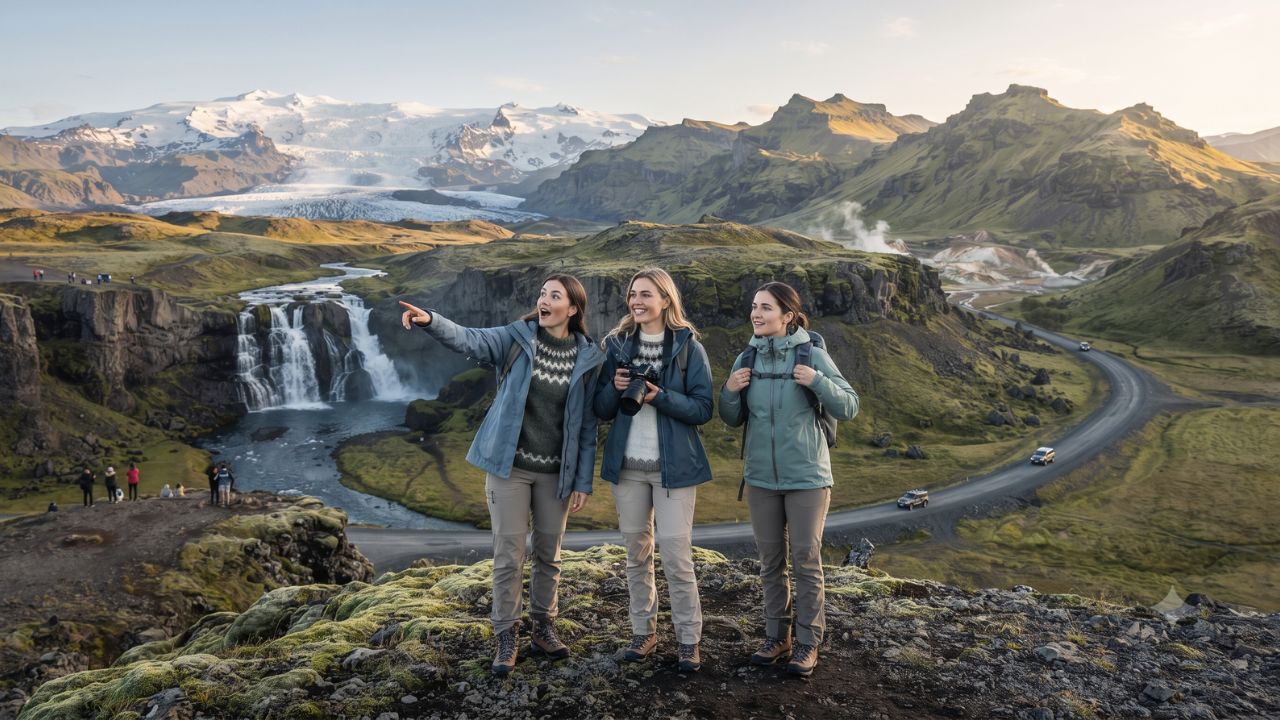
While North American and British arrivals to Iceland softened year-on-year, Chinese hotel overnights leaped by an astonishing 31.2% to roughly 224,000 stays. According to data released by the Icelandic Tourist Board (Ferðamálastofa), international travelers generated 2,751,399 hotel nights and pushed foreign card expenditure to ISK 211 billion, signaling a strategic transition from mass summer tourism toward high-value, year-round exploration across the North Atlantic island.
The Global Source Market Shift: Rising Asian and Italian Demand
The performance statistics demonstrate a diversifying visitor economy. While total foreign overnights grew by a modest 0.9% to reach 2.75 million, foreign spending expanded faster at 1.4%, with average expenditure per foreign stay climbing to approximately ISK 77,000 (a 0.5% gain).
The geographic makeup of inbound travelers underwent noticeable changes:
- The Surge from China: Recording 224,000 overnight stays, China established itself as Iceland's fastest-growing major market (+31.2%), nearing Germany (234,000 stays, -3.7%) for the third spot overall.
- Broader Asian Growth: Visitors from other Asian nations generated 94,000 nights, rising by 7.5%.
- Southern European Expansion: Italian travelers logged 92,000 overnights, marking an 11.1% increase as Mediterranean travelers sought cooler subarctic summer escapes.
- Western European & US Adjustments: The United States retained the top spot with 790,000 hotel overnights (28.7% of all foreign stays) despite an 8.3% decline. The United Kingdom remained second with 345,000 nights (-1.9%), while France (-3.4%) and the Netherlands (-1.3%) experienced slight drops.
- Domestic Shifts & Supply: Domestic stays by Icelandic residents dropped 6.7% to 318,000 nights. Average hotel occupancy dipped 1.4 percentage points to 64.3%, reflecting newly opened boutique accommodation across Reykjavík and the South Coast that broadened overall capacity.
What Makes Iceland’s New Travel Pattern Different
Iceland’s tourism model is moving away from high-volume Golden Circle bus tours toward private expeditions, boutique geothermal baths, and extended Ring Road road trips. The contrast between seasonal extremes remains sharp: July recorded 593,254 foreign stays at peak summer demand, compared with 248,842 in January.
However, emerging Asian and Southern European demographics increasingly target shoulder and winter seasons. Rather than focusing solely on midnight sun sightseeing, newer traveler groups prioritize glacier hiking in Vatnajökull National Park, ice cave exploration, and winter aurora hunting, distributing economic activity more evenly throughout the subarctic calendar.
Visitor Insider Tips: Exploring Iceland Beyond the Crowds
- Swap the Golden Circle for the Silver Circle: Skip midday crowds at Gullfoss and Geysir by driving west into Borgarfjörður to visit the cascading waters of Hraunfossar, Barnafoss, and Krauma geothermal baths fed by Europe's most powerful hot spring, Deildartunguhver.
- Pre-Book Lagoon Entries Months in Advance: Whether reserving the Blue Lagoon, Sky Lagoon, or Forest Lagoon in Akureyri, secure morning time slots (08:00 to 10:00) to enjoy tranquil soaking waters before tour coaches arrive.
- Rely on Digital Payments Exclusively: Iceland is an almost entirely cashless society. Credit cards, contactless phone payments, and mobile digital apps are accepted universally, even for pay toilets at remote Highland trailheads.
- Monitor SafeTravel.is Daily: Subarctic weather changes rapidly. Check road conditions and wind warnings on the official portal maintained by Visit Iceland and search-and-rescue teams before driving mountain gravel passes.
Cultural and Environmental Context: Protecting Fragile Volcanic Ecology
Hosting 2.75 million international visitors in a nation of 390,000 residents creates distinct ecological responsibilities. Subarctic moss (Racomitrium lanuginosum) covering lava fields takes decades to regenerate once stepped on, prompting national park rangers to enforce strict stay-on-trail regulations.
The shift toward higher spending per guest allows conservation agencies to finance infrastructure improvements—including elevated boardwalks, electric vehicle fast-charging corridors along Route 1, and sustainable waste treatment facilities at remote trailheads. Spreading visitor flows into the Eastfjords, the Tröllaskagi Peninsula, and the Westfjords ensures rural fishing villages benefit directly from tourism expenditure without overwhelming sensitive coastal habitats.
FAQ: Traveling in Iceland 2026/27
How much did foreign tourists spend in Iceland in the latest annual period?
Foreign visitors generated ISK 211 billion in card expenditures, representing a 1.4% increase, with average spending reaching approximately ISK 77,000 per stay.
Which international country is growing fastest in Iceland tourism?
China is the fastest-growing major inbound market, surging 31.2% year-on-year to approximately 224,000 hotel overnight stays.
What is the difference between peak summer and winter visitor numbers?
Peak travel in July reached 593,254 foreign hotel overnight stays, compared with 248,842 stays during the winter low in January.
What is the current hotel occupancy rate across Iceland?
Average hotel occupancy settled at 64.3%, down 1.4 percentage points due to newly added room supply across regional destinations.
From glacier-carved fjords to geothermal steam vents, Iceland's shift toward high-value travel ensures that its raw wilderness remains protected for generations to come.
Related Travel Guides
Disclaimer
This article is for informational and educational purposes only. It does not constitute legal, financial, or professional advice. While we strive to provide accurate and up-to-date information, travel policies, regulations, and conditions change rapidly. Always verify information with official sources before making travel decisions. Nomad Lawyer makes no representations about the accuracy, reliability, completeness, or suitability of the information provided. Readers should consult qualified professionals for advice specific to their circumstances. The views expressed in this article are those of the author and do not necessarily reflect the views of Nomad Lawyer.
Preeti Gunjan
Contributor & Community Manager
A passionate traveller and community builder. Preeti helps grow the Nomad Lawyer community, fostering engagement and bringing the reader experience to life.
Learn more about our team →