
Hungary Bus Crash Triggers Major Safety Alert for European Travel
A fatal bus accident on August 16, 2026, along Hungary's M3 motorway triggers a major safety alert for travelers using long-distance road transit in Europe.

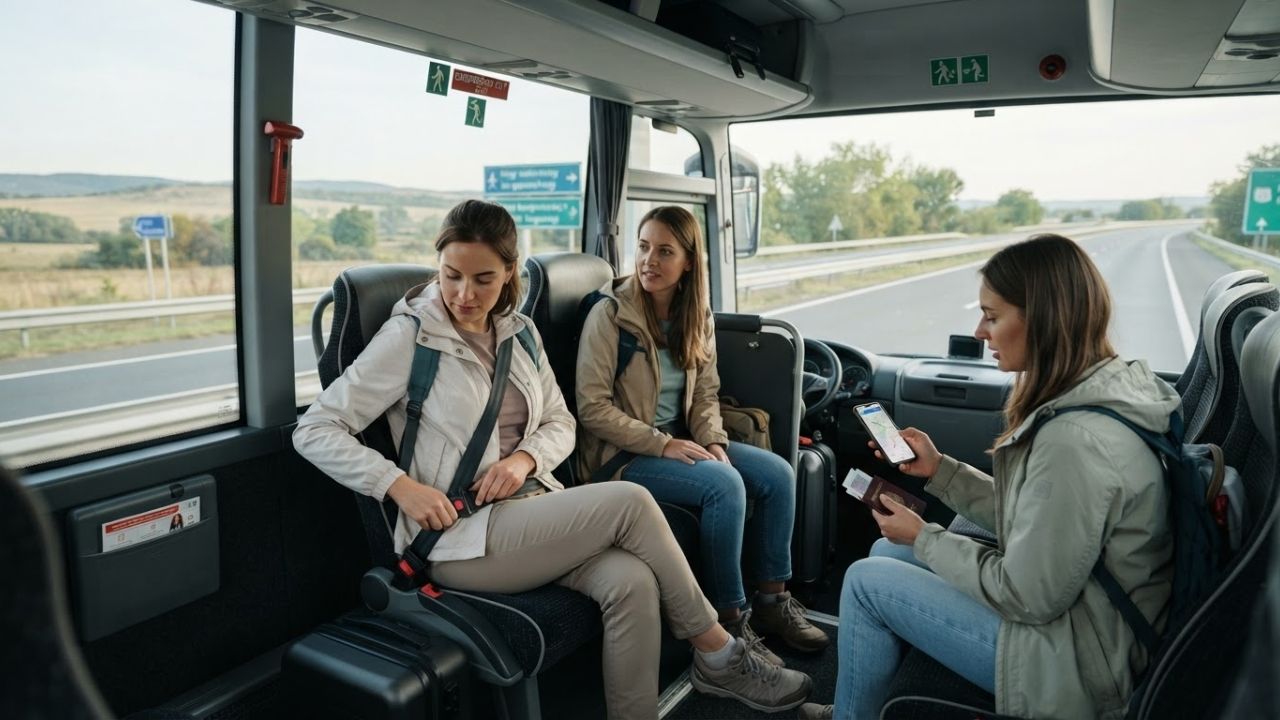
Image generated by AI
A fatal bus accident on August 16, 2026, along Hungary's M3 motorway has triggered a major safety alert for travelers using long-distance road transit in Europe. The crash, which caused 12 deaths and left 10 people seriously injured, has prompted international tourists to reassess passenger protection protocols.
The Hungary M3 Motorway Crash and Immediate Response
The highway transport sector in Central Europe is experiencing a transition as regulators review safety guidelines for long-distance commercial vehicles. On August 16, 2026, a Polish charter bus carrying 57 passengers was traveling along the M3 motorway in eastern Hungary. Near the town of Mezokeresztes, while heading toward Nyiregyhaza, the vehicle veered off the road and veered into a deep ditch.
By establishing these seasonal travel corridors, the airline's management aims to support both business and leisure travel flows. Corporate travelers and travel agencies, which maintain strong relationships with global destination management organizations, benefit from direct seat capacity. This economic integration supports the travel sector, providing service providers with a reliable channel for high-value bookings.
By establishing these seasonal travel corridors, the airline's management aims to support both business and leisure travel flows. Canadian corporate travelers and travel agencies, which maintain strong relationships with European and Asian destination management organizations, would benefit from direct seat capacity. This economic integration supports the travel sector, providing service providers with a reliable channel for high-value bookings.
By establishing these seasonal travel corridors, the airline's management aims to support both business and leisure travel flows. Canadian corporate travelers and travel agencies, which maintain strong relationships with European and Asian destination management organizations, would benefit from direct seat capacity. This economic integration supports the travel sector, providing service providers with a reliable channel for high-value bookings.
This localized disruption also offers a unique opportunity for duty-free retailers and terminal operators to design services suited for stranded passengers. By monitoring passenger comfort levels during long delays, airport customer teams can provide complimentary amenities to ensure guest satisfaction. This proactive approach helps build traveler confidence, ensuring that regional transit routes remain competitive with global hub standards.
The accident resulted in 12 deaths, with 11 passengers dying instantly at the scene and another passing away later in the hospital. Additionally, 10 passengers suffered serious injuries, prompting a large-scale emergency response. Investigators are reviewing the exact cause of the crash, focusing on driver fatigue and road conditions during the night transit.
Modern Safety Standards: Telematics and Driver Audits
The recent crash has led to increased demand for strict audits of commercial bus operators across Europe.
This environmental focus is supported by regional climatologists and conservationists who monitor ecosystem health. By tracking tourist footprint signals, managers can ensure that natural areas remain protected. The integration of carrying-capacity policies with wilderness trails demonstrates how tourism planning can protect biodiversity while offering high-quality educational hikes.
This localized disruption also offers a unique opportunity for duty-free retailers and terminal operators to design services suited for stranded passengers. By monitoring passenger comfort levels during long delays, airport customer teams can provide complimentary amenities to ensure guest satisfaction. This proactive approach helps build traveler confidence, ensuring that regional transit routes remain competitive with global hub standards.
Older road safety rules focused mainly on basic vehicle manufacturing standards, but modern guidelines emphasize intelligent transport systems and telematics. Modern buses utilize electronic stability control systems to reduce rollover risks during sudden maneuvers.
However, driver fatigue remains a key factor in long-distance transit safety. Transport companies must strictly enforce mandatory rest periods, ensuring that drivers do not exceed regulated service hours, especially during overnight journeys.
Strategic Passenger Decisions: Seating and Seat Belt Rules
While operators work to improve fleet safety, passengers can take individual steps to protect themselves during long-distance transit.
This localized culinary focus also offers a unique opportunity for restaurant associations and culinary schools to design programs suited for premium travelers. By monitoring passenger dining preferences during long stays, local chefs can provide customized dishes to ensure guest satisfaction. This proactive approach helps build traveler confidence, ensuring that Canadian urban dining remains competitive with global culinary standards.
This environmental focus is supported by regional climatologists and conservationists who monitor ecosystem health. By tracking tourist footprint signals, managers can ensure that natural areas remain protected. The integration of carrying-capacity policies with wilderness trails demonstrates how tourism planning can protect biodiversity while offering high-quality educational hikes.
Choosing a safe seat is an important first step. Travelers are advised to choose seats in the middle section of the bus. The front rows bear the brunt of head-on collisions, while the rear rows are vulnerable during rear-end impacts. Sitting in the mid-cabin provides a safer buffer zone during rollovers or side-impact accidents.
Mandatory seat belt utilization is another critical safety rule. Passengers must fasten their seat belts immediately upon taking their seats and keep them secured throughout the journey. Seat belts prevent passengers from being thrown around the cabin or ejected during a sudden collision.
Emergency Protocols: Exits, Hammers, and Device Readiness
Being prepared for emergencies can help passengers respond effectively if an accident occurs.
Upon boarding, locate all emergency exit points, including side doors, push-out windows, and roof hatches. Identify the storage locations of emergency hammers, which are used to shatter window glass if the main doors are blocked. Keep the aisles and exit paths clear of heavy luggage.
Maintain device readiness during your trip. Keep your mobile phone charged, carry a portable power bank in your hand luggage, and save emergency contacts before departure. In the event of an accident, remain calm, listen to instructions from crew members or emergency responders, and assist other passengers only when it is safe to do so.
Visitor Guide: Transit Routing, Local Dining, and Emergency Numbers
Navigating long-distance travel in Hungary involves understanding motorway regulations, coordinating emergency contacts, and planning rest stop options. By preparing in advance, travelers can ensure a comfortable journey.
Sample regional culinary specialties near transit points. Try traditional Hungarian goulash soup (gulyásleves), a slow-cooked beef and vegetable stew spiced with paprika, at motorway taverns. During transit stops, look for lángos, a fried flatbread topped with garlic water, sour cream, and grated cheese, or buy fresh chimney cake (kürtőskalács).
Use the official speed limits and safety guidelines. The maximum speed limit on Hungarian motorways like the M3 is 130 km/h. Speed limits are strictly enforced, with speed cameras positioned along the route.
Save local emergency contact numbers. Keep the pan-European emergency number 112 saved in your mobile phone. For medical issues that are not life-threatening, dial the local urgent health service at 1830. For assistance with lost property or reports, contact the Tourist Police at +36 1 438 8080.
Future Outlook: Rebuilding Safe European Road Corridors
The long-term development of road transit in Europe depends on improving highway infrastructure and implementing advanced vehicle safety standards. The Hungarian Ministry of Interior and European transport agencies are collaborating to review safety corridors.
Sustainable initiatives include building energy-efficient rest areas, implementing solar-powered warning displays along major motorways, and introducing electric bus fleets for regional transit routes. By combining advanced vehicle safety technology with sustainable infrastructure management, regional planners aim to build a resilient transport network, protecting passenger safety while supporting European tourism.
Related Travel Guides
Disclaimer
This article is for informational and educational purposes only. It does not constitute legal, financial, or professional advice. While we strive to provide accurate and up-to-date information, travel policies, regulations, and conditions change rapidly. Always verify information with official sources before making travel decisions. Nomad Lawyer makes no representations about the accuracy, reliability, completeness, or suitability of the information provided. Readers should consult qualified professionals for advice specific to their circumstances. The views expressed in this article are those of the author and do not necessarily reflect the views of Nomad Lawyer.
Raushan Kumar
Founder & Lead Developer
Full-stack developer with 11+ years of experience and a passionate traveller. Raushan built Nomad Lawyer from the ground up with a vision to create the best travel and law experience on the web.
Learn more about our team →