
Travel HSMAI Mike Leven Conference 2026 Reshapes Cruise Industry
HSMAI Mike Leven Leadership Conference 2026 in Los Angeles drives cruise industry innovation, loyalty programs, and competitive strategies. What major operators are implementing now.

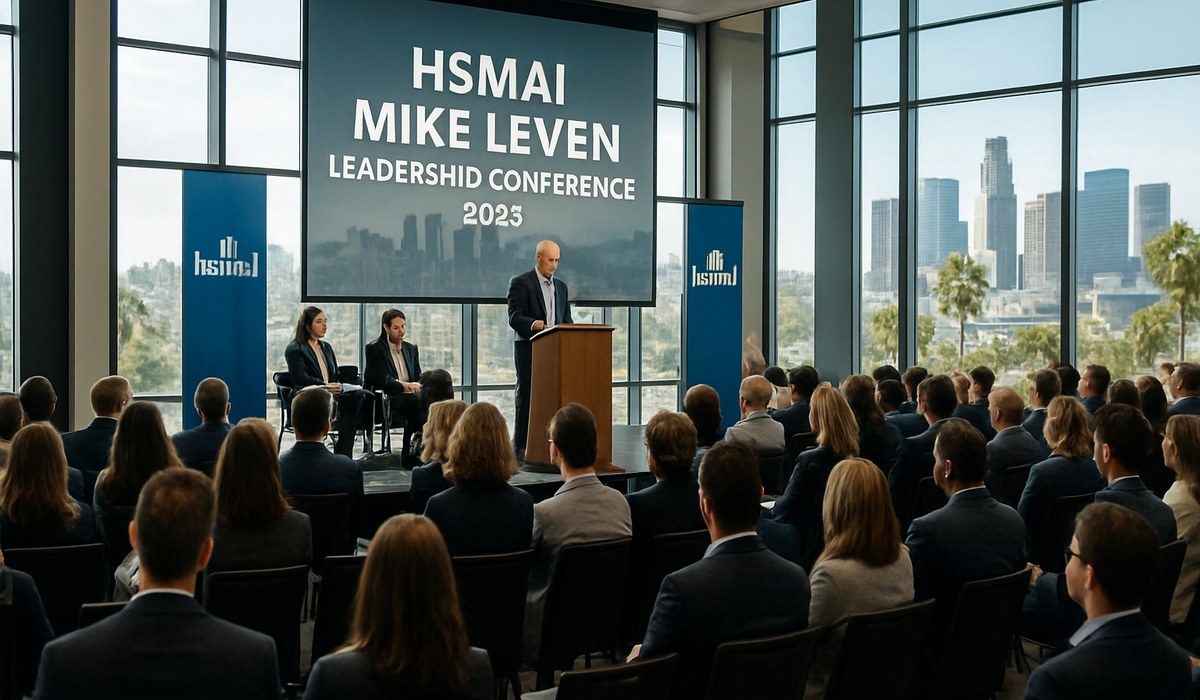
Image generated by AI
Quick Summary
- HSMAI Mike Leven Conference 2026 became the focal point for cruise industry executives plotting post-pandemic expansion strategies
- Award-winning programs revealed new loyalty frameworks and destination partnerships reshaping competitive advantage across major operators
- Cruise lines are accelerating safety standard upgrades and implementing integrated resort partnerships for seamless passenger experiences
- Emerging market expansion, particularly in Asia-Pacific and Caribbean routes, emerged as the dominant growth narrative for 2026-2027
HSMAI Mike Leven Conference 2026: Where Cruise Industry Strategy Gets Made
Los Angeles played host to hospitality's most consequential leadership summit of the first quarter, drawing C-suite executives from cruise operators, resort chains, and tourism boards into intensive strategy sessions that will define market positioning through 2027. The HSMAI Mike Leven Leadership Conference 2026 transcended its traditional networking role to become the decisive forum where industry giants publicly committed to transformative initiatives affecting millions of annual cruise passengers.
Major players from the Cruise Lines International Association dispatched senior delegations, signalling the event's weight in competitive planning cycles. What emerged from the Los Angeles gathering wasn't incremental optimization—it was foundational restructuring of how operators engage passengers, manage loyalty, and compete for market share in an increasingly saturated luxury segment.
The conference delivered something rare in hospitality circles: actionable commitments backed by measurable timelines and resource allocation. Rather than abstract vision statements, attending executives unveiled concrete rollout schedules for new passenger protections, expanded itinerary offerings, and technology infrastructure designed to capture data advantages over rivals.
Award Winners and Breakthrough Innovations Reshaping Hospitality
Recognition ceremonies at the conference illuminated which operators have cracked the code on post-pandemic passenger expectations. Award winners didn't celebrate past achievements—they showcased blueprints for replicating success across their fleet operations and destination networks.
The standout theme across winning submissions centred on hyper-personalization. Cruise lines demonstrating the most sophisticated understanding of individual passenger preferences—from dining preferences to shore excursion interests—captured multiple categories. These weren't minor operational tweaks; they represented integrated technology systems capturing behaviour data across booking, onboarding, embarkation, and post-voyage touchpoints.
One particularly significant shift emerged in how operators approached passenger safety communication. Rather than the traditional compliance-first approach, award-winning programs reframed safety protocols as customer confidence enablers. By emphasizing transparency about sanitation procedures, emergency protocols, and medical facilities during pre-departure marketing, leading cruise lines reported measurably higher passenger satisfaction scores and reduced anxiety-driven cancellations.
Data presented during sessions highlighted how operators implementing comprehensive crew training programs—going beyond minimum regulatory requirements—achieved superior guest satisfaction metrics. Attendees learned that investing in crew development created competitive moats difficult for rival operators to replicate quickly, directly translating to higher repeat booking rates and premium pricing power.
Partnerships between cruise operators and international resort brands emerged as another award-winning innovation category. When cruise lines secured exclusive partnerships with premium destination resorts, they could offer passengers seamless transitions from ship to land-based experiences without friction. This integrated approach fundamentally altered passenger itinerary preferences, with packages combining days at sea alongside destination stays now commanding significant pricing premiums.
Growth Drivers: Loyalty Programs, Destinations, and Safety Standards
The conference reinforced that loyalty program architecture has become the central competitive battleground in cruise operations. Operators who successfully migrated passengers from transactional booking relationships to emotional brand affinity demonstrated substantially higher lifetime customer value. Several major cruise operators revealed upcoming loyalty restructures featuring tiered benefits calibrated to reward frequency, spend volume, and social advocacy simultaneously.
Particularly noteworthy was the emergence of integrated loyalty ecosystems linking cruise bookings with hotel, airline, and entertainment partnerships. Delegates from major operators discussed reciprocal benefits allowing cruise passengers to earn and redeem loyalty currency across partner networks. This strategy proved especially powerful for operators targeting affluent repeat travellers accustomed to managing multiple premium loyalty accounts across travel categories.
Real estate and destination strategy occupied substantial conference attention. Cruise industry leaders highlighted emerging markets offering tremendous growth potential. Discussions centered on how India opens gateway as premium investments surge, creating new cruise itinerary possibilities in South Asia. Similarly, expansion into African and South American ports received serious consideration from multiple operators, with port infrastructure investments and destination marketing partnerships identified as prerequisite conditions for viable itineraries.
Safety standard elevation transcended regulatory compliance to become a competitive differentiator. While regulations establish minimum thresholds, winning operators are implementing standards exceeding legal requirements, then marketing these advantages to risk-conscious affluent passengers. Enhanced medical facilities, expanded quarantine capacity, and advanced air filtration systems were highlighted as investment priorities justifying premium pricing.
The strategic importance of resort partnerships became unmistakable during destination sessions. When Bahia Principe Resorts joins World of Hyatt loyalty program, it signals how cruise operators are securing privileged access to destination experiences impossible for independent travellers to arrange. These partnerships don't merely add itinerary options—they create competitive advantages allowing operators to offer curated experiences competitors cannot replicate.
Industry analysts monitoring Seatrade Cruise market data and competitive positioning noted the conference validated emerging market expansion as the central growth strategy across major operators through 2027. Capacity expansion in mature Caribbean and Mediterranean markets has slowed considerably, with operator investment capital redirecting toward underserved regions offering higher yield potential and lower competitive density.
What This Means for Cruise Passengers and Operators in 2026
The strategic decisions being implemented following this Los Angeles conference will reshape the cruise passenger experience measurably. Loyalty program restructures mean frequent cruisers should expect enhanced recognition and benefits, though new rules may disadvantage occasional passengers.
Destination expansion into emerging markets will create itinerary options previously unavailable, particularly for passengers seeking authentic cultural experiences in less-developed tourism infrastructure regions. Early adopters booking inaugural itineraries to newly established ports can often secure exceptional value, though such voyages carry inherent risks around local service quality and port facility maturity.
Operators heavily investing in safety standard elevation and technology infrastructure will command premium pricing power. Passengers prioritizing health assurance and data security should expect paying notable premiums, while operators emphasizing value positioning may maintain competitive prices by accepting slightly lower safety standards (while still exceeding minimum requirements).
The competitive intensity revealed at the Los Angeles conference suggests booking windows are shifting. Operators securing preferred itinerary slots at premium destinations and competitive ports will fill capacity earlier, making advance booking increasingly important for passengers targeting specific sailings, particularly in peak travel seasons.
For industry employees, the emphasis on crew training and development creates potential career advancement opportunities, though also raises performance expectations. Cruise operators investing heavily in crew compensation and training aim to reduce turnover and improve service quality—positive developments for hospitality professionals seeking stability in the sector.
FAQ
Q: Which cruise lines sent senior delegations to the HSMAI Mike Leven Conference 2026?
A: The Cruise Lines International Association coordinated attendance across its member operators, though specific company names weren't publicly disclosed in summary reports. Typically, leaders from major cruise groups (Royal Caribbean Group, Carnival Corporation, Norwegian Cruise Line Holdings, and Disney Cruise Line) prioritize attendance, along with luxury-focused operators.
**Q: What specific loyalty program changes should cruise passengers expect?
Disclaimer
This article is for informational and educational purposes only. It does not constitute legal, financial, or professional advice. While we strive to provide accurate and up-to-date information, travel policies, regulations, and conditions change rapidly. Always verify information with official sources before making travel decisions. Nomad Lawyer makes no representations about the accuracy, reliability, completeness, or suitability of the information provided. Readers should consult qualified professionals for advice specific to their circumstances. The views expressed in this article are those of the author and do not necessarily reflect the views of Nomad Lawyer.
Raushan Kumar
Founder & Lead Developer
Full-stack developer with 11+ years of experience and a passionate traveller. Raushan built Nomad Lawyer from the ground up with a vision to create the best travel and law experience on the web.
Learn more about our team →