
How to Get from Las Olas Beach to Las Olas Boulevard: 2026 Transport Guide
Navigate the 1.5-mile stretch between Las Olas Beach and Las Olas Boulevard using free LauderGO shuttles, Broward County Transit, or walking routes in Fort Lauderdale.
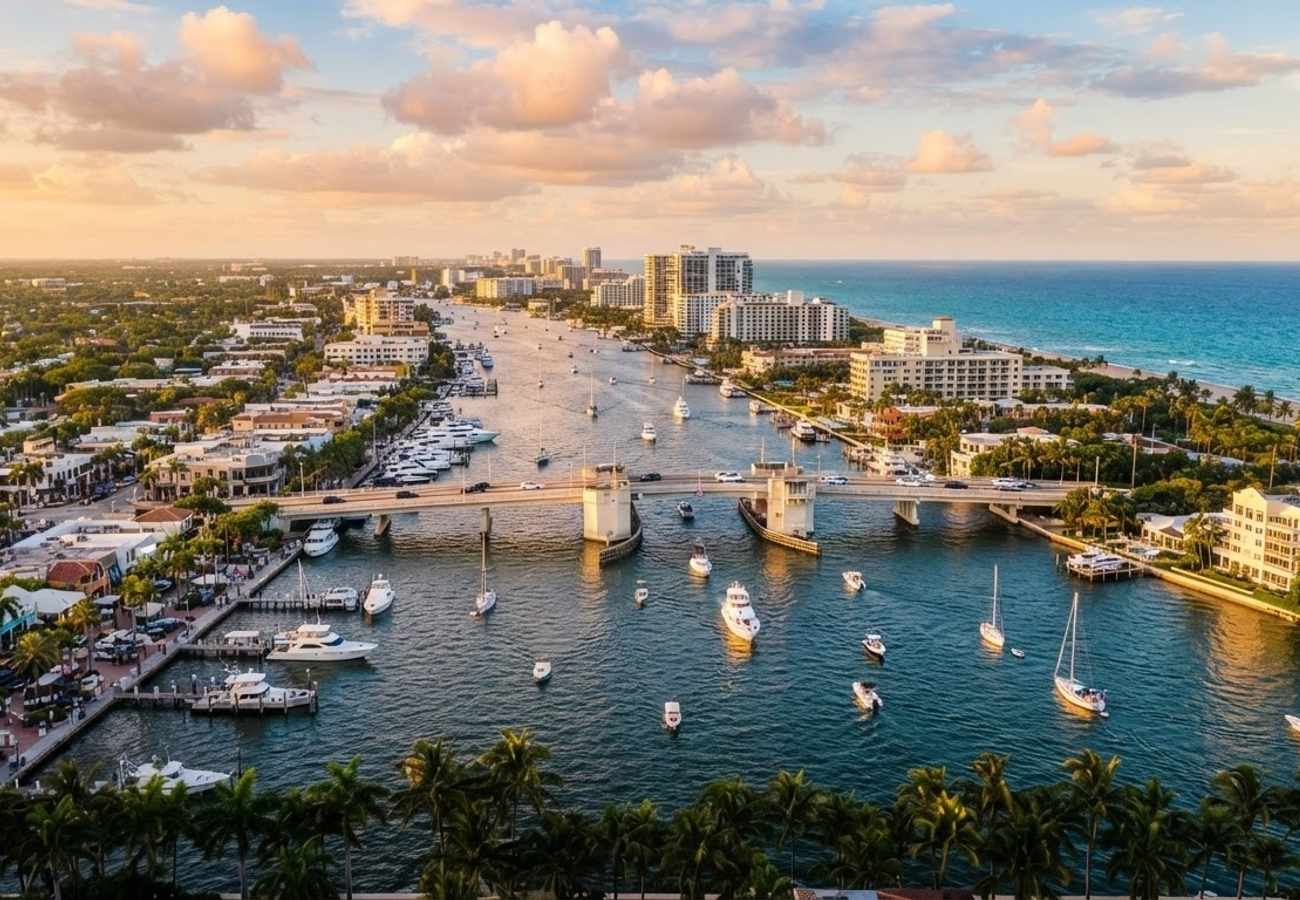
Image generated by AI
Visitors to Fort Lauderdale face a 1.5-mile transit gap between the sandy shores of Las Olas Beach and the upscale shopping of Las Olas Boulevard, a distance that can be treacherous in the Florida heat. Navigating this corridor requires a strategic choice between free community shuttles, public buses, or walking, depending on the time of day and current weather conditions.
Fort Lauderdale is effectively split into two distinct atmospheres: the coastal resort zone and the urban riverfront. At the eastern terminus, Las Olas Beach offers a palm-fringed promenade and high-end resorts. Moving west, the scenery shifts into Las Olas Boulevard, a walkable commercial artery famous for its art galleries, boutiques, and diverse dining options along the New River. For most travelers, the primary movement occurs between the beachfront hotels near A1A and the high-density commercial zone situated between SE 1st Avenue and SE 8th Avenue.
Navigating the 1.5-Mile Beach-to-Boulevard Corridor
The physical distance from the sand at Las Olas Beach to the center of the dining district is approximately 1.5 miles. While this may appear negligible on a digital map, the environmental factors of South Florida significantly impact the actual experience. The route is a direct line, but the lack of natural shade means travelers are fully exposed to the elements.
For those opting to move between these two hubs, the choice of transport often depends on the itinerary. Many visitors choose a hybrid approach—walking one way to enjoy the scenery and utilizing a rideshare or shuttle for the return trip to avoid fatigue. The city has streamlined this connection by integrating the beach and downtown areas through a dedicated transit network, ensuring that visitors do not need a private vehicle to experience both the coast and the city.
Real-World Walking Conditions and Timing
Walking from the beach to the boulevard is a viable option, but the "feel" of the trip varies wildly by season. During the winter months, when temperatures typically hover in the 70s Fahrenheit and humidity is low, the walk is a popular choice for locals and tourists alike. The route across the Las Olas bridge provides scenic vistas of the Intracoastal Waterway and passing yachts, making it a pleasant exercise.
However, from June through September, the experience changes. With heat indexes frequently exceeding 90 degrees, the pavement and surrounding water reflect intense thermal energy. A midday stroll from Las Olas Oceanside Park can quickly become exhausting, often forcing pedestrians to seek temporary refuge in air-conditioned hotel lobbies. To avoid heat exhaustion, walking is highly recommended only during the early morning hours or after sunset when the bridge is illuminated and temperatures drop.
The infrastructure consists of standard urban sidewalks on both sides of Las Olas Boulevard. While the bridge features pedestrian railings for photography, the route is not a shaded park path. Travelers should budget 25 to 30 minutes for a one-way trip at a moderate pace. Essential gear for this walk includes:
- A wide-brimmed hat for UV protection
- A portable water bottle
- Lightweight, breathable clothing
Utilizing the LauderGO Community Shuttle System
The most efficient car-free method for traversing this distance is the LauderGO Community Shuttle. This network, which expanded from the previous Sun Trolley service, provides free, air-conditioned transportation specifically designed to link the beach, the boulevard, and the downtown core.
Two specific routes are essential for this journey:
- The Beach Link: This route circulates the barrier island, connecting key points like the Las Olas Parking Garage and Fort Lauderdale Beach Park.
- The Las Olas Link: This service directly bridges the gap between the beachfront area and the downtown boulevard.
As of mid-2026, the Beach Link operates daily during daytime hours. The Las Olas Link is more specialized, typically focusing on midday to late-afternoon service and weekends. Because the Las Olas Link does not provide late-night service, it is best suited for daytime shopping and lunch excursions.
To maximize efficiency, passengers should use the LauderGO app to track vehicles in real-time and receive alerts regarding detours caused by major events, such as the Tortuga Music Festival. While some drivers may stop for passengers between official stops along the beach, travelers are advised to wait at marked LauderGO stops to ensure reliable pickup.
Broward County Transit and Integrated Rail Options
For those traveling outside the free shuttle's operating hours, Broward County Transit offers a robust alternative. Route 11 is the primary bus line serving the Las Olas corridor, running between the downtown district and the beach. While this service is not free, fares are modest—typically costing only a few dollars per trip—with day passes available for frequent travelers.
Route 11 is generally more frequent than the community shuttles, though it involves more stops, which can increase the total travel time compared to a direct rideshare. For visitors arriving via Tri-Rail or Brightline, a multi-modal approach is possible. Travelers can take the LauderGO Downtown Link from the Broward Central Terminal to Las Olas, then transfer to either the Las Olas Link or Route 11 to reach the ocean.
| Transport Method | Cost | Est. Travel Time | Best Used For... |
|---|---|---|---|
| Walking | Free | 25–30 Mins | Winter months, early morning/evening |
| LauderGO Shuttle | Free | 10–15 Mins | Daytime shopping, budget travel |
| Broward Transit (Rt 11) | Low Fee | 15–20 Mins | Off-peak hours, reliable schedules |
| Rideshare (Uber/Lyft) | Variable | 5–10 Mins | Nighttime, high heat, groups |
Why This Matters: The Traveler's Perspective
From a logistical standpoint, the 1.5-mile gap between the beach and the boulevard is the "make or break" point of a Fort Lauderdale visit. For the traveler, this means that failing to plan for transport can result in significant discomfort. The transition from a "beach mode" (sand, swimwear, flip-flops) to "boulevard mode" (boutiques, upscale dining, galleries) requires a change in both attire and transport strategy.
Using the free LauderGO system not only saves money but also eliminates the stress of parking in the congested downtown core, where spaces are limited and expensive. Furthermore, by utilizing the shuttle or walking, visitors can experience the gradual architectural shift from the high-rise resorts of the coast to the eclectic, low-rise charm of the New River district.
Choosing the right transit method ensures that the journey between the sand and the city remains a highlight of the trip rather than a physical chore.
Related Travel Guides
Disclaimer
This article is for informational and educational purposes only. It does not constitute legal, financial, or professional advice. While we strive to provide accurate and up-to-date information, travel policies, regulations, and conditions change rapidly. Always verify information with official sources before making travel decisions. Nomad Lawyer makes no representations about the accuracy, reliability, completeness, or suitability of the information provided. Readers should consult qualified professionals for advice specific to their circumstances. The views expressed in this article are those of the author and do not necessarily reflect the views of Nomad Lawyer.