
Winglets Emerge as Game-Changer in Aviation Fuel Economy—But Real Savings Remain Modest
Breaking airline news and aviation industry updates for 2026.

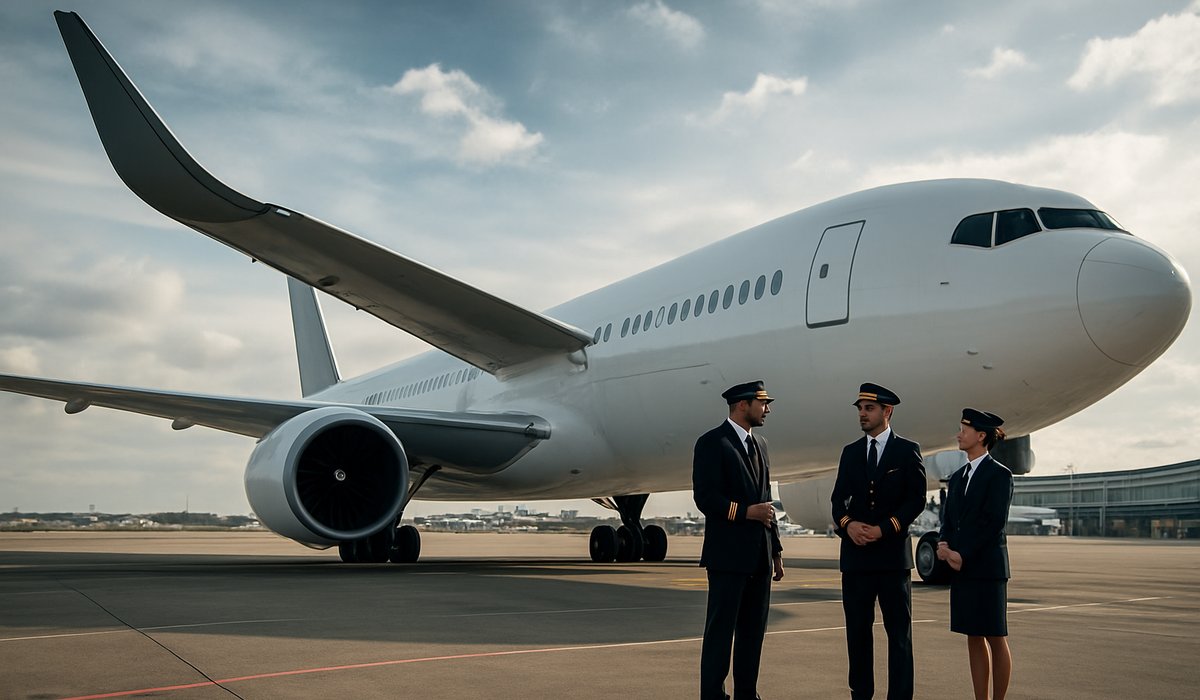
Image generated by AI
Winglets Emerge as Game-Changer in Aviation Fuel Economy—But Real Savings Remain Modest
As airlines face relentless pressure from volatile jet fuel prices, winglet technology offers incremental efficiency gains that are reshaping fleet modernization strategies
The Push for Aerodynamic Efficiency
Winglets have rapidly become a defining feature of contemporary commercial aviation, with carriers ranging from budget operators to premium long-haul specialists retrofitting or ordering aircraft equipped with these specialized wing extensions. These vertical or angled appendages—engineered to reduce drag at the wing tips—represent a tangible response to mounting operational costs and intensifying environmental regulations that have transformed the industry's calculus around fuel consumption.
The technology itself is straightforward: by disrupting wingtip vortices that naturally form during flight, winglets enable aircraft to burn less jet fuel while maintaining identical flight performance. For an industry where aviation fuel represents one of the largest operational expenses—fluctuating dramatically with global market conditions and geopolitical tensions—even modest efficiency improvements translate into substantial bottom-line benefits across large fleets.
Quantifying the Fuel Savings Reality
Research and airline operational data indicate that winglets typically reduce fuel consumption by approximately 4-6 percent during cruise operations, though real-world performance varies considerably based on aircraft type, flight distance, and operational conditions. For long-haul widebody aircraft operating intercontinental routes, the compounding effect of fuel savings across thousands of annual flight hours delivers measurable financial returns.
A Boeing 737 or Airbus A320 equipped with winglets might burn roughly 200-300 fewer gallons per transatlantic crossing. When multiplied across a carrier's annual schedule—and considering current jet fuel prices hovering around $2-3 per gallon depending on market volatility—this translates to six-figure annual savings per aircraft.
Aircraft Manufacturers Lead the Charge
Boeing and Airbus have made winglet integration standard on newer aircraft platforms, marketing them as core components of their sustainability portfolios. Both manufacturers emphasize that winglets contribute to reduced emissions and improved operational economics—dual benefits that appeal to carriers facing both regulatory compliance and cost pressures.
Broader Industry Implications
The adoption of winglet technology reflects a larger aviation sector trend toward incremental efficiency gains. With airlines already optimizing routes, reducing aircraft weight, and investing in next-generation engines, winglets represent one piece of a comprehensive fuel-economy strategy.
As volatile energy markets and environmental mandates continue reshaping airline finances, technologies that deliver consistent 4-6 percent efficiency improvements have become essential elements of fleet planning—even if individual fuel savings remain secondary to broader modernization efforts.
Frequently Asked Questions
How much fuel do winglets actually save airlines? Winglets typically reduce cruise fuel consumption by 4-6 percent, translating to 200-300 gallons per long-haul flight, depending on aircraft type and conditions.
Do winglets reduce airline baggage fees and ticket prices? While winglets lower operational costs, airlines rarely pass these savings to consumers directly. Instead, savings typically offset rising jet fuel prices and maintenance expenses.
Which airlines have winglet-equipped aircraft? Most major carriers including American, United, Delta, Southwest, Lufthansa, and international operators operate fleets with winglet-equipped narrowbodies and widebodies.
Are winglets mandatory on new aircraft? Winglets are standard on most new Boeing and Airbus platforms, though retrofitting older aircraft remains an operator choice based on cost-benefit analysis.
How do winglets compare to other fuel-saving technologies? Winglets are one component alongside advanced engines, lighter materials, and aerodynamic improvements. When combined, these technologies can achieve 20-30 percent fuel reductions compared to older generation aircraft.
Related Travel Guides
Flight Delay Compensation Guide 2026
Understanding Airline Route Changes
Airport Security Process Updated (2026)
External Resources
Disclaimer
This article is for informational and educational purposes only. It does not constitute legal, financial, or professional advice. While we strive to provide accurate and up-to-date information, travel policies, regulations, and conditions change rapidly. Always verify information with official sources before making travel decisions. Nomad Lawyer makes no representations about the accuracy, reliability, completeness, or suitability of the information provided. Readers should consult qualified professionals for advice specific to their circumstances. The views expressed in this article are those of the author and do not necessarily reflect the views of Nomad Lawyer.
Raushan Kumar
Founder & Lead Developer
Full-stack developer with 11+ years of experience and a passionate traveller. Raushan built Nomad Lawyer from the ground up with a vision to create the best travel and law experience on the web.
Learn more about our team →