
Geopolitical Tensions Reshape Global Airways: Airlines Navigate New Airspace Closures and Rising Flight Costs
Breaking airline news and aviation industry updates for 2026.

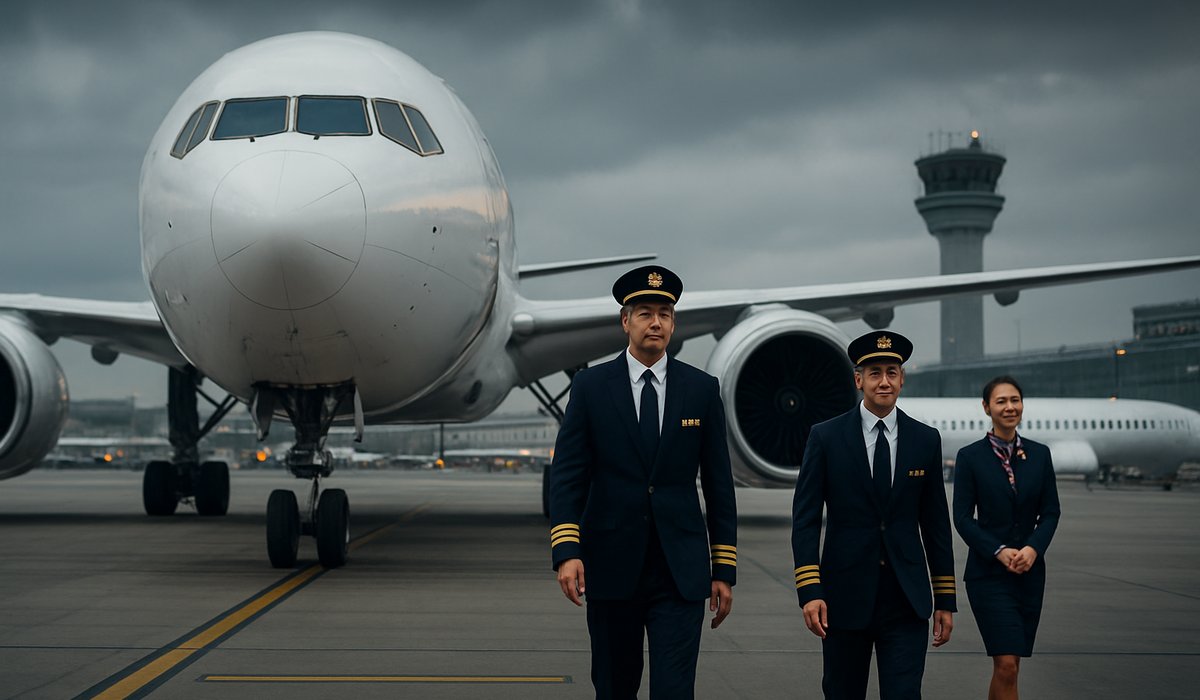
Image generated by AI
Geopolitical Tensions Reshape Global Airways: Airlines Navigate New Airspace Closures and Rising Flight Costs
Restricted airspace over Russia, Ukraine, and Iran forces carriers to abandon established routes, triggering cascading effects on fuel consumption, flight times, and passenger fares
The Silent Crisis Reshaping Aviation Networks
The aviation industry faces an unprecedented challenge as geopolitical conflicts systematically dismantle the carefully constructed route networks that have defined modern air travel for decades. What was once considered an immutable framework—reliable access to international airspace—has fractured into a complex patchwork of restricted zones, forcing global airlines to abandon optimized flight paths and adapt to dramatically altered operational realities.
The closure of airspace over Russia, Ukraine, and Iran represents far more than a temporary inconvenience. These restrictions have fundamentally destabilized assumptions that carriers have relied upon for route planning, fuel efficiency calculations, and cost management. Airlines worldwide are now forced to implement costly detours, longer flight durations, and elevated jet fuel consumption—expenses that inevitably trickle down to passengers through increased baggage charges and ticket prices.
Cascading Operational Impacts Across the Industry
Airlines previously exploited direct routing across Russian airspace as a critical efficiency advantage, particularly for flights connecting Europe to Asia. The closure of these vital corridors has created what industry analysts describe as a "forced inefficiency crisis." Carriers now navigate extended flight paths, burning additional fuel and extending journey times by hours on some routes—adding millions to annual operating expenses.
The disruption extends beyond fuel economics. Airlines face unpredictable operational constraints, requiring constant route recalculation and contingency planning. This operational volatility translates into higher airline fees for baggage, seat selection, and ancillary services as carriers attempt to offset losses from inefficient routing.
Broader Industry Transformation
The cumulative effect of these airspace restrictions has accelerated a fundamental shift in aviation strategy. Carriers are reassessing network architecture, rethinking alliance partnerships, and exploring alternative corridors through Central Asia and the Middle East. Some airlines have strategically repositioned hub operations to minimize exposure to restricted zones.
Industry experts warn that prolonged airspace closures could permanently reshape global aviation geography. Airlines investing in new infrastructure to support detour routes may never recoup these investments, even if restrictions eventually lift.
The geopolitical fragmentation of global airspace represents a critical juncture for aviation: an industry built on freedom of movement now confronts an era of unpredictable, politically-driven constraints that challenge fundamental operational assumptions.
FAQ: Airspace Closures and Aviation Impact
How do airspace closures affect airline ticket prices? Restricted airspace forces longer flight routes, increasing jet fuel consumption and flight times, which airlines offset through higher ticket prices and additional baggage charges for passengers.
Which airlines are most affected by Russian and Ukrainian airspace closures? European and Asian carriers face the greatest impact, as Russian airspace previously provided the most direct routing between continents. Airlines operating on Europe-Asia routes now experience 2-4 hour journey extensions.
Can airlines recover costs from longer routes through baggage fees alone? No. While airlines have increased ancillary fees, the cumulative fuel cost increases far exceed revenue from baggage charges, requiring broader fare adjustments.
Will airspace closures lead to permanent route changes? Likely. Airlines are making infrastructure investments in alternative hubs and corridors. Even if restrictions lift, these investments suggest carriers are preparing for prolonged geopolitical instability.
How long can the aviation industry sustain current operational disruptions? Sustainability depends on fuel price stability and competitor adaptation. Extended closures beyond 12-18 months could trigger airline consolidation and route network abandonment.
Related Travel Guides
Flight Delay Compensation Guide 2026
Understanding Airline Route Changes
Airport Security Process Updated (2026)
External Resources
Disclaimer
This article is for informational and educational purposes only. It does not constitute legal, financial, or professional advice. While we strive to provide accurate and up-to-date information, travel policies, regulations, and conditions change rapidly. Always verify information with official sources before making travel decisions. Nomad Lawyer makes no representations about the accuracy, reliability, completeness, or suitability of the information provided. Readers should consult qualified professionals for advice specific to their circumstances. The views expressed in this article are those of the author and do not necessarily reflect the views of Nomad Lawyer.
Raushan Kumar
Founder & Lead Developer
Full-stack developer with 11+ years of experience and a passionate traveller. Raushan built Nomad Lawyer from the ground up with a vision to create the best travel and law experience on the web.
Learn more about our team →