
Global Aircraft Shortage Keeps Aging Planes in Service as Retirement Rates Plummet
Breaking airline news and aviation industry updates for 2026.

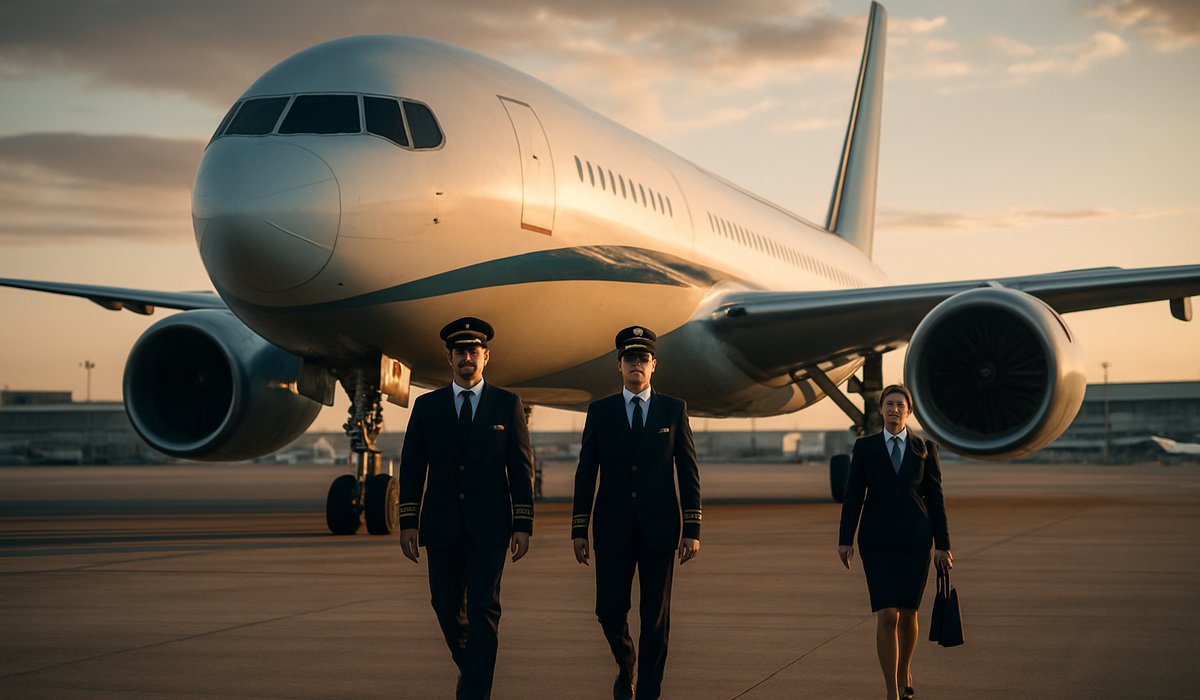
Image generated by AI
Global Aircraft Shortage Keeps Aging Planes in Service as Retirement Rates Plummet
Supply chain crisis delays scrapping of commercial jets, reshaping aviation industry economics
Record Aircraft Shortage Halts Industry's Scrapping Cycle
The aviation industry is experiencing an unprecedented supply crunch that is fundamentally altering how airlines manage their fleets, with aircraft retirement rates hitting historic lows despite aging aircraft remaining in active service across the sector.
The global commercial aircraft market faces a cumulative delivery shortfall of approximately 5,300 planes, according to industry analysis. Simultaneously, manufacturers are contending with roughly 16,000 outstanding aircraft orders that remain unfulfilled—a backlog that underscores the severity of supply chain disruptions that have persisted since the pandemic's aftermath.
This perfect storm of constrained supply and sustained demand is creating an unusual paradox: rather than retiring older, less efficient aircraft as would typically occur during normal market conditions, airlines are compelled to extend the operational lifespan of aging jets. The shortage is effectively suppressing retirement rates to levels well below historical averages.
A Temporary Reprieve with Long-Term Consequences
Industry experts characterize the current suppression in aircraft retirements as a temporary phenomenon driven by immediate operational necessity. As new-build aircraft delivery schedules normalize and manufacturing capacity increases over the coming years, analysts project that retirement rates will rebound to more traditional levels.
However, the implications of this extended aircraft utilization extend beyond fleet management. Keeping older planes in commercial service longer impacts fuel efficiency metrics, maintenance costs, and environmental performance across the aviation sector. Airlines operating pre-pandemic generation aircraft consume significantly more jet fuel than newer, technologically advanced models, directly affecting both operational economics and carbon emissions.
Industry Implications and Market Dynamics
The aircraft shortage represents one of the most significant supply-side challenges facing global aviation in decades. Major manufacturers including Boeing and Airbus continue struggling with delivery timelines, while regional carriers and legacy airlines face difficult decisions about fleet renewal strategies.
This structural constraint is reshaping competitive dynamics within the industry. Carriers with existing modern fleets gain competitive advantages through superior fuel economics and lower maintenance burdens, while those dependent on older assets face compressed margins in an environment of volatile jet fuel prices.
Industry observers anticipate that once the delivery backlog begins clearing—currently projected for 2026 onwards—the market will experience a substantial wave of aircraft retirements. Specialist aircraft recycling facilities are preparing for this eventual surge in scrapping activity, with capacity expanding at major dismantling centers globally.
The current situation highlights how external supply chain pressures can fundamentally disrupt traditional industry cycles, with ripple effects across aviation economics, environmental standards, and competitive positioning.
Frequently Asked Questions
How many aircraft are typically scrapped each year? Under normal market conditions, commercial aviation retires between 400-600 aircraft annually, though this figure varies based on fuel prices, economic cycles, and fleet modernization strategies.
Why are airlines keeping older planes longer due to the aircraft shortage? With new aircraft delivery delays extending 5-10 years, airlines lack sufficient replacement capacity and must maintain aging jets in service to sustain operations and meet capacity demands.
When will the aircraft shortage end and retirement rates normalize? Industry forecasts suggest meaningful relief beginning in 2026-2027, with substantial aircraft scrapping anticipated thereafter as accumulated orders finally reach deliveries.
How does extended aircraft utilization affect airline operating costs? Older aircraft consume 15-25% more jet fuel than modern counterparts, increasing expenses during periods of elevated fuel prices and reducing operational profitability.
Which aircraft types face the longest delays in replacement? Narrowbody jets like the Boeing 737 and Airbus A320 families experience the most acute shortages, as these high-demand aircraft serve short-to-medium routes critical to airline networks.
Related Travel Guides
Flight Delay Compensation Guide 2026
Understanding Airline Route Changes
Airport Security Process Updated (2026)
External Resources
Disclaimer
This article is for informational and educational purposes only. It does not constitute legal, financial, or professional advice. While we strive to provide accurate and up-to-date information, travel policies, regulations, and conditions change rapidly. Always verify information with official sources before making travel decisions. Nomad Lawyer makes no representations about the accuracy, reliability, completeness, or suitability of the information provided. Readers should consult qualified professionals for advice specific to their circumstances. The views expressed in this article are those of the author and do not necessarily reflect the views of Nomad Lawyer.
Raushan Kumar
Founder & Lead Developer
Full-stack developer with 11+ years of experience and a passionate traveller. Raushan built Nomad Lawyer from the ground up with a vision to create the best travel and law experience on the web.
Learn more about our team →