
How Car Accident Lawyers Maximize Settlement Offers for Victims
After a car accident in Bakersfield, California, victims may face medical bills, missed work, and insurance calls. Discover how car accident lawyers maximize settlement offers.

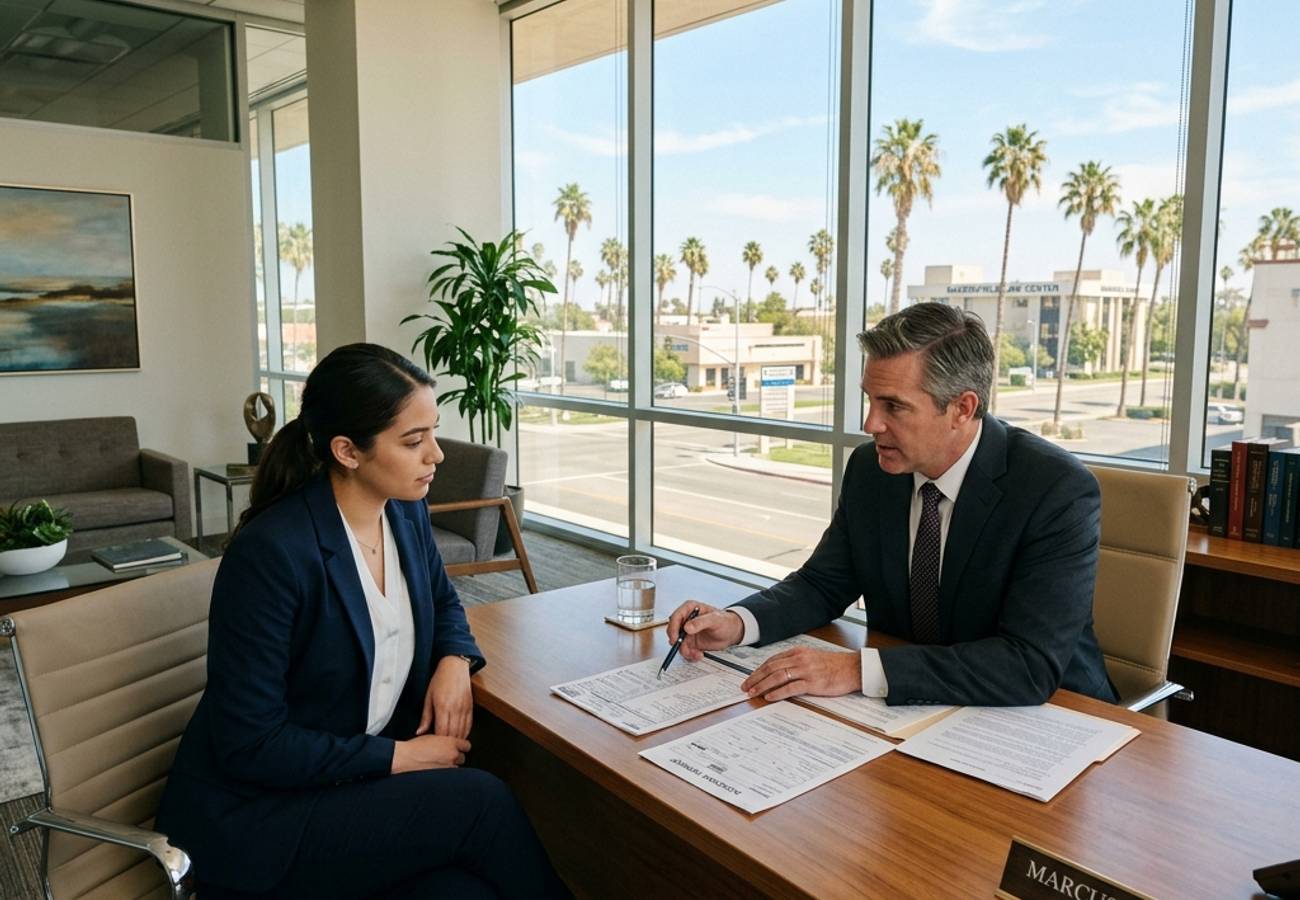
Image generated by AI
How Car Accident Lawyers Maximize Settlement Offers for Victims
After a car accident in Bakersfield, California, victims may face medical bills, missed work, pain, insurance calls, and uncertainty about whether an early settlement offer is fair. Strong compensation usually depends on more than reporting the crash; it requires clear proof of fault, complete treatment records, documented income loss, and careful timing before negotiations begin. Lawyers help organize those details, so insurers must evaluate the full effect of the injury, not just the first round of expenses. Firms such as Kuzyk Personal Injury & Car Accidents Lawyers may review evidence, medical records, and settlement pressure before victims accept payment. That preparation can help claims reflect lasting harm more accurately.
Early Case Framing
Insurers start building their file within hours, often before swelling settles or imaging is complete. In that early window, records, witness names, and symptom notes can shape the whole claim. Personal injury and car accident lawyers focus on preserving those details, which helps victims avoid incomplete statements and gives the case a stronger medical and factual foundation before pressure tactics begin.
Liability Proof
When you can show fault with little room for dispute, the settlement value rises. Lawyers collect collision reports, scene photos, video footage, vehicle damage images, and driver phone data. That material helps explain speed, lane position, braking, and impact angle. A well-built liability file makes it harder for an adjuster to cut payment by claiming shared blame or uncertain mechanics.
Medical Records Matter
Claims gain strength when treatment notes clearly connect symptoms to the crash. Attorneys review emergency records, follow-up visits, imaging, specialist findings, and therapy progress. Sharp documentation can show radicular pain, cervical strain, joint inflammation, or persistent headaches with greater precision. Gaps in care often weaken that chain, giving the carrier room to question whether the collision caused the current limitations.
Hidden Losses Count
A strong case measures more than car repairs and one urgent care visit. Lawyers also document missed wages, reduced work capacity, prescription costs, future procedures, and paid help at home. Pain can disrupt sleep, concentration, parenting, and basic movement. When those effects are documented well, the claim starts to reflect daily human function rather than a narrow stack of invoices.
Timing Changes Leverage
Early offers often arrive before symptoms stabilize, which benefits the carrier more than the patient. Lawyers usually wait until recovery patterns become clearer or future treatment needs can be estimated responsibly. That approach gives the demand real medical weight. It also prevents a victim from settling while nerve pain, restricted range of motion, or surgical risk remains uncertain.
Demand Letters With Weight
A persuasive demand letter reads like a concise case presentation, not a plea. It explains the fault, outlines the diagnosis, tracks the treatment, and attaches records in an order that supports the requested figure. Strong letters also show how the injury changed work, sleep, mobility, and family routines. Adjusters tend to raise offers when the demand is organized, documented, and difficult to dismiss.
Negotiation Strategy
Effective negotiation is usually deliberate, not dramatic. Lawyers answer weak points directly, then force the insurer to justify each low number with facts. One response may focus on future care. Another may address wage loss or imaging results. That pacing keeps pressure on the file while preventing the carrier from controlling the conversation with recycled objections.
Court Risk Drives Offers
Most injury claims settle, yet court trial exposure still affects value. Carriers study whether counsel files suit on time, prepares experts carefully, and presents evidence in a credible way. When that risk looks real, reserve numbers can change. An insurer may keep a low stance against a passive firm, but litigation readiness often pushes the offer upward.
Client Mistakes Are Reduced
Injured people can damage their cases without meaning to. A recorded statement, a missed therapy visit, or a public post showing activity can distort the medical picture. Lawyers help clients keep documentation consistent and avoid casual remarks that sound harmless outside the file. Fewer preventable errors mean fewer openings for the carrier to argue exaggeration, interruption, or alternative causes.
Local Knowledge Helps
Regional experience can affect results more than many victims expect. Lawyers familiar with local roads, traffic patterns, medical providers, and defense habits often identify issues earlier. That awareness helps with witness development, treatment interpretation, and venue judgment. It also improves case presentation because the legal team understands how similar injuries, collisions, and liability disputes are usually framed in the area.
Preparation Raises Settlement Value
Lawyers maximize settlement offers by building a medically clear claim that is factually grounded and costly to challenge. Strong proof of fault matters, yet careful treatment records, full damage analysis, and disciplined timing matter just as much. When those parts work together, insurers face a file that reflects real physical loss and credible legal risk. That process often determines whether a victim receives quick underpayment or compensation that better matches lasting harm.
Related Travel Guides
Why Motorcycle Accident Victims Need Legal Support Right Away
Why Choosing the Right Injury Lawyer Matters for Your Recovery
10 Steps to Increase Car Accident Settlement Value, According to Reddit
Disclaimer
This article is for informational and educational purposes only. It does not constitute legal, financial, or professional advice. While we strive to provide accurate and up-to-date information, travel policies, regulations, and conditions change rapidly. Always verify information with official sources before making travel decisions. Nomad Lawyer makes no representations about the accuracy, reliability, completeness, or suitability of the information provided. Readers should consult qualified professionals for advice specific to their circumstances. The views expressed in this article are those of the author and do not necessarily reflect the views of Nomad Lawyer.
Preeti Gunjan
Contributor & Community Manager
A passionate traveller and community builder. Preeti helps grow the Nomad Lawyer community, fostering engagement and bringing the reader experience to life.
Learn more about our team →