
Inside the Airbus A321XLR: How Ultra-Long-Range Aircraft Challenge Crew Rest Standards
Breaking airline news and aviation industry updates for 2026.

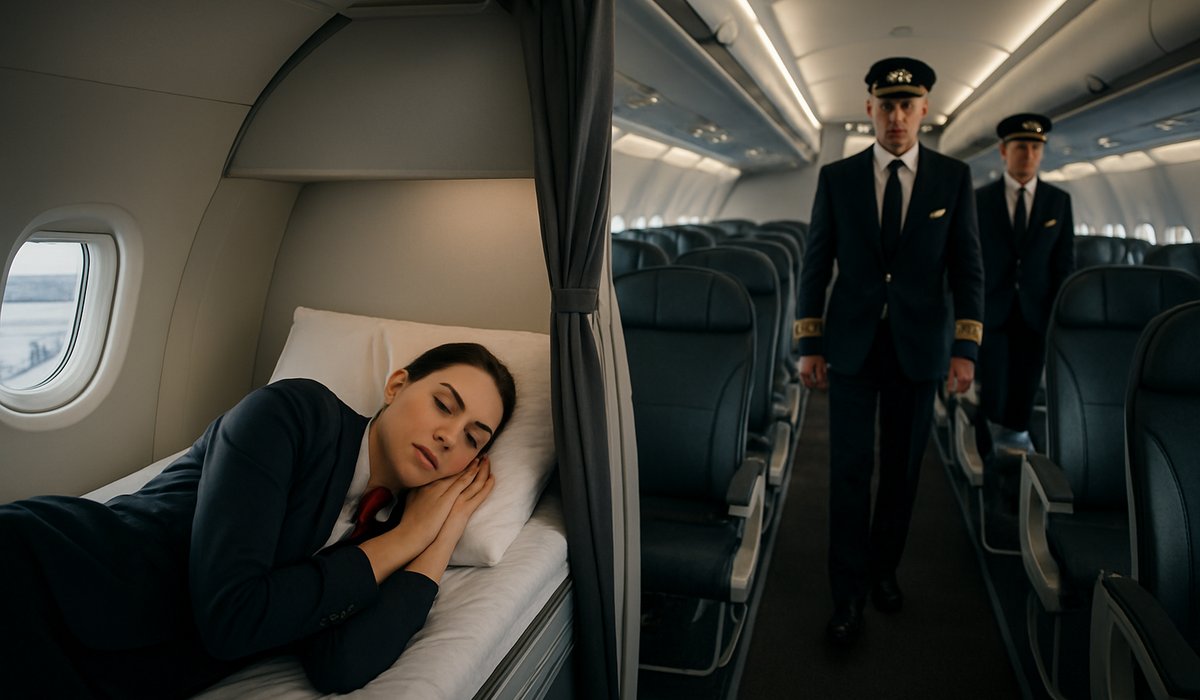
Image generated by AI
Inside the Airbus A321XLR: How Ultra-Long-Range Aircraft Challenge Crew Rest Standards
The aviation industry faces a critical safety question as new extended-range narrowbody jets blur the line between short-haul and long-haul operations
The Emerging Safety Concern
A fundamental challenge is emerging in commercial aviation as aircraft manufacturers push the boundaries of what narrowbody jets can accomplish. The Airbus A321XLR, designed to operate transatlantic and ultra-long-range routes, operates in a gray zone that exposes a significant gap in crew welfare infrastructure—one that could have serious implications for aviation safety and crew working conditions.
Unlike traditional widebody long-haul aircraft such as the Boeing 777 or Airbus A350, which feature dedicated crew rest compartments where pilots and cabin attendants can sleep during flight operations, the A321XLR lacks these essential facilities. Yet the aircraft is certified to operate routes lasting 8+ hours, routes that historically have required mandatory crew rest provisions to prevent fatigue-related operational errors.
What Crew Rest Areas Actually Do
Crew rest areas represent a critical safety mechanism in modern aviation. These specially designated compartments—typically located above the main cabin in widebody jets—allow rotating crew members to sleep in a controlled environment during extended flights. This structured rest period is essential for maintaining alertness, cognitive function, and decision-making capability among flight crews responsible for passenger safety.
The Federal Aviation Administration (FAA) and European Union Aviation Safety Agency (EASA) have long recognized that crew fatigue significantly increases accident risk. Mandatory rest requirements exist precisely because sleep-deprived pilots and cabin crew pose measurable safety hazards during critical flight phases.
The A321XLR's Operational Gap
The Airbus A321XLR fundamentally changes this paradigm. While the aircraft can physically fly 8,000+ nautical miles, it cannot accommodate crew rest in the traditional sense. This creates an unprecedented operational challenge: airlines operating this aircraft on ultra-long-range routes must manage crew fatigue without access to the in-flight rest facilities that have become industry standard for such operations.
Airlines deploying the A321XLR face difficult choices regarding crew scheduling, roster management, and fatigue mitigation strategies. Some operators may need to increase crew complements per flight or adjust duty time limitations to compensate for the absence of rest areas—both costly solutions that impact operational efficiency and route economics.
Industry Impact and Future Implications
The A321XLR's growing order book—with major carriers including Iberia, Norse Atlantic, and others committing to the aircraft—suggests the aviation industry is accepting this compromise. However, this trend raises broader questions about how regulators balance technological capability with crew welfare standards.
Manufacturers and airlines argue that enhanced cockpit technology, improved cabin pressurization, and optimized flight routing partially mitigate fatigue risks. Yet aviation safety experts remain concerned about establishing precedents that normalize extended operations without traditional fatigue management tools.
FAQ: Crew Rest and Ultra-Long-Range Aviation
What is crew rest in aviation, and why is it mandatory? Crew rest refers to structured sleep periods during long flights where pilots and cabin crew rotate out of duty to maintain alertness and safety. Regulations require crew rest on flights exceeding certain duration thresholds because fatigue impairs judgment and reaction time.
Does the Airbus A321XLR have a crew rest compartment? No. Unlike widebody aircraft, the A321XLR lacks a dedicated crew rest area, despite being approved for 8+ hour routes where such facilities traditionally exist.
How are airlines managing crew fatigue on A321XLR flights? Operators are exploring alternatives including increased crew staffing per flight, adjusted duty time limits, and enhanced fatigue risk management systems rather than relying on in-flight rest facilities.
Will regulators require crew rest areas on future narrowbody long-haul aircraft? This remains undecided. The FAA and EASA are monitoring A321XLR operations closely, but no formal requirements have been mandated for newer aircraft.
What are the safety implications of operating ultra-long-range flights without crew rest areas? While manufacturers argue modern technology mitigates risks, aviation safety experts express concern that extended operations without traditional fatigue management tools represent an unprecedented regulatory compromise.
Related Travel Guides
Flight Delay Compensation Guide 2026
Understanding Airline Route Changes
Airport Security Process Updated (2026)
External Resources
Disclaimer
This article is for informational and educational purposes only. It does not constitute legal, financial, or professional advice. While we strive to provide accurate and up-to-date information, travel policies, regulations, and conditions change rapidly. Always verify information with official sources before making travel decisions. Nomad Lawyer makes no representations about the accuracy, reliability, completeness, or suitability of the information provided. Readers should consult qualified professionals for advice specific to their circumstances. The views expressed in this article are those of the author and do not necessarily reflect the views of Nomad Lawyer.
Raushan Kumar
Founder & Lead Developer
Full-stack developer with 11+ years of experience and a passionate traveller. Raushan built Nomad Lawyer from the ground up with a vision to create the best travel and law experience on the web.
Learn more about our team →