
Major U.S. Carriers Align Loyalty Program Mechanics for 2026, Eroding Frequent Flyer Differentiation
Breaking airline news and aviation industry updates for 2026.

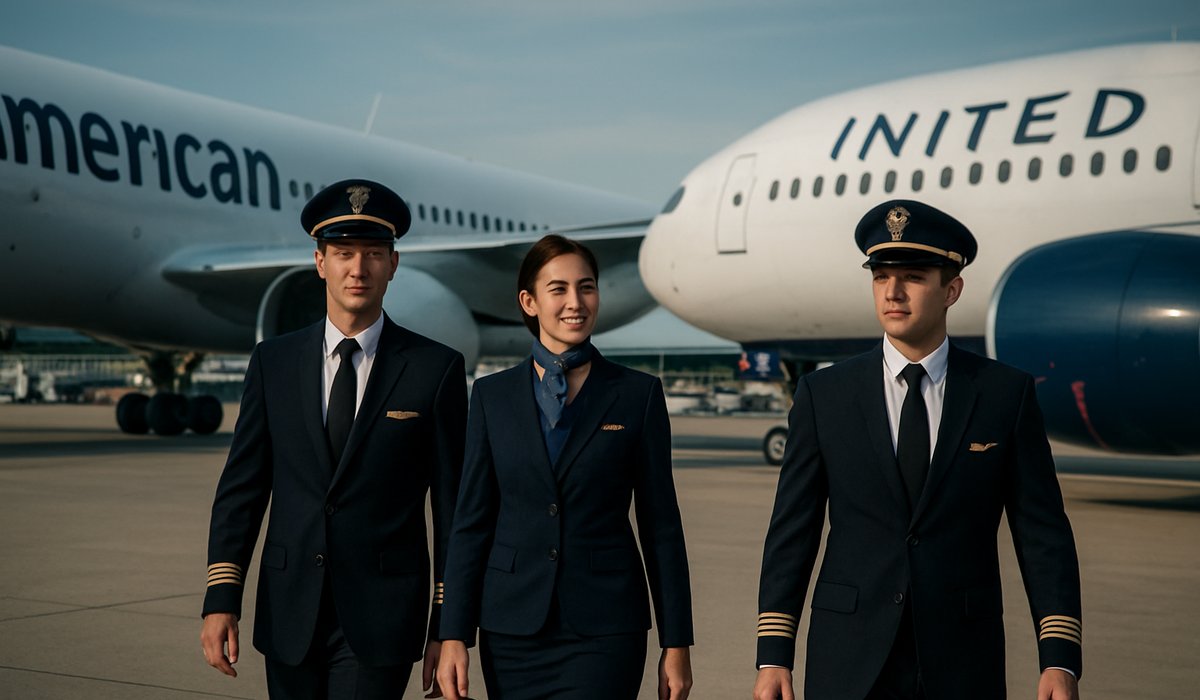
Image generated by AI
Major U.S. Carriers Align Loyalty Program Mechanics for 2026, Eroding Frequent Flyer Differentiation
American, Delta, and United standardize rewards calculations, limiting strategic options for elite travelers
Loyalty Programs Converge on Unified Earning Structure
Three of America's largest airlines are quietly implementing nearly identical loyalty program mechanics beginning in 2026, fundamentally reshaping how frequent flyers accumulate and redeem miles. American Airlines, Delta Air Lines, and United Airlines have each announced changes that align their mileage earning calculations and reward valuations, effectively eliminating one of the few remaining competitive advantages that once distinguished their respective frequent flyer offerings.
The shift marks a significant departure from decades of industry practice, where competing loyalty structures gave sophisticated travelers genuine strategic choices about which carrier deserved their patronage. Under the previous framework, understanding each airline's distinct earning rules and redemption formulas represented a tangible benefit for passengers who invested time in optimizing their travel patterns.
The End of Strategic Program Selection
Industry analysts view the synchronized changes as a watershed moment for airline loyalty. By standardizing how miles are calculated—based on factors such as distance, cabin class, and ticket price—the three carriers have effectively neutralized a key differentiator that once drove loyalty program enrollment and customer retention.
"For decades, frequent flyers could make calculated decisions about which airline offered better value for their specific travel needs," explains aviation industry observers. "That calculation is becoming increasingly irrelevant as the major carriers adopt virtually identical reward mechanisms."
The convergence eliminates a fundamental competitive lever. Savvy travelers who once studied redemption charts and earning multipliers to maximize program value now face essentially uniform structures across all three carriers. This standardization particularly impacts business travelers and frequent leisure flyers who previously leveraged program differences to stretch their mileage purchasing power.
Broader Industry Implications
The alignment reflects a broader consolidation of airline practices across the U.S. aviation landscape. While carriers maintain distinct branding and route networks, their loyalty infrastructure—once a meaningful differentiator—is becoming functionally equivalent.
Consumer advocates suggest the move reduces transparency and choice for frequent flyers, while airlines argue streamlined programs simplify the customer experience. The 2026 implementation gives current members time to adjust strategies before the new calculations take effect across all three major carriers.
For passengers not deeply engaged with loyalty program mechanics, the change may prove largely invisible. However, elite frequent flyers and miles optimization enthusiasts face a new reality: network preference and route convenience, rather than loyalty program mathematics, will become the primary factors in choosing between American, Delta, and United.
FAQ: Airline Loyalty Programs and 2026 Changes
Q: How will the 2026 loyalty program changes affect my accumulated miles? A: Existing mileage balances remain intact; the new earning and redemption structures apply only to flights booked after the 2026 implementation date.
Q: Why are American, Delta, and United standardizing their loyalty programs? A: The carriers cite administrative simplification and improved customer clarity, though standardization reduces competitive differentiation in a consolidated market.
Q: Will I earn fewer miles under the new system? A: Earning rates will depend on your specific travel patterns; some passengers may see changes while others experience minimal impact.
Q: Are regional airlines implementing similar changes? A: Smaller carriers maintain independent loyalty structures, though industry trends suggest gradual alignment across the aviation sector.
Q: How should I adjust my airline selection strategy for 2026? A: Focus on route networks, pricing, and service quality rather than loyalty program calculations, as earning mechanics will no longer provide competitive advantage.
Related Travel Guides
External Resources
Disclaimer
This article is for informational and educational purposes only. It does not constitute legal, financial, or professional advice. While we strive to provide accurate and up-to-date information, travel policies, regulations, and conditions change rapidly. Always verify information with official sources before making travel decisions. Nomad Lawyer makes no representations about the accuracy, reliability, completeness, or suitability of the information provided. Readers should consult qualified professionals for advice specific to their circumstances. The views expressed in this article are those of the author and do not necessarily reflect the views of Nomad Lawyer.
Preeti Gunjan
Contributor & Community Manager
A passionate traveller and community builder. Preeti helps grow the Nomad Lawyer community, fostering engagement and bringing the reader experience to life.
Learn more about our team →