
Airbus Successfully Resolves A350 Structural Defect Through Precision Engineering—Avoiding Costly Fleet Grounding
Breaking airline news and aviation industry updates for 2026.

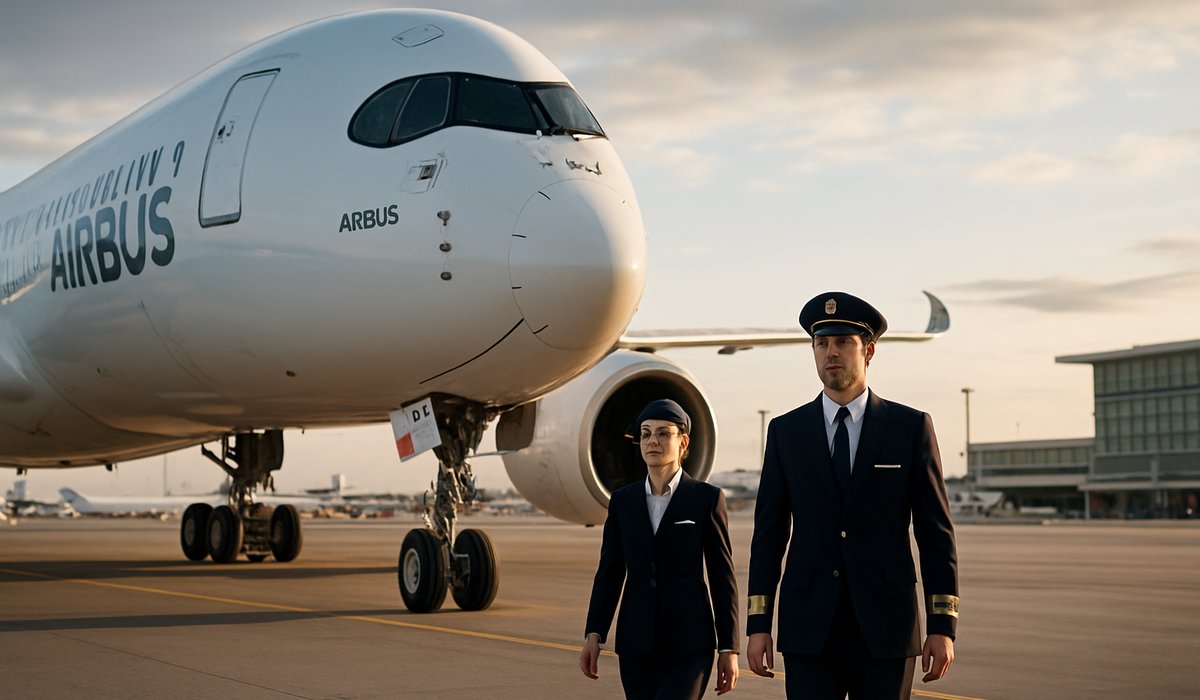
Image generated by AI
Airbus Successfully Resolves A350 Structural Defect Through Precision Engineering—Avoiding Costly Fleet Grounding
The aerospace giant implements targeted composite material fixes to address surface degradation without industry-wide operational disruptions
Breaking Technical Discovery Prompts Swift Engineering Response
Airbus has successfully neutralized a critical structural vulnerability affecting its flagship A350 wide-body aircraft through carefully engineered material modifications, sidestepping the catastrophic financial and operational consequences of a comprehensive fleet grounding. The European manufacturer's surgical approach to resolving localized composite surface degradation demonstrates how modern aviation addresses safety concerns without triggering the kind of industry-wide disruptions that can cost airlines billions in lost revenue.
The defect—characterized by progressive surface deterioration on composite structural panels—initially triggered widespread concern about the long-term durability and airworthiness of next-generation aircraft constructed from advanced composite materials. Industry analysts warned that if left unresolved, the issue could fundamentally undermine confidence in composite aircraft technology across the commercial aviation sector.
Targeted Solutions Replace Fleet-Wide Crisis Response
Rather than implementing a blanket grounding that would have immobilized hundreds of aircraft globally, Airbus deployed a precision engineering strategy focused on material composition adjustments and localized retrofit procedures. This approach allowed the manufacturer to address root causes while maintaining operational continuity across airline networks.
The solution involved modifications to specific composite material formulations and the application of enhanced surface protection protocols on affected aircraft. Airbus coordinated with regulatory authorities to establish a phased implementation schedule, enabling operators to integrate fixes during routine maintenance windows rather than orchestrating emergency service campaigns.
Industry Implications and Long-Term Confidence
The resolution carries significant implications for the broader aviation industry's transition toward composite aircraft construction. Modern jetliners increasingly rely on carbon fiber and advanced composite materials to reduce weight, lower fuel consumption, and improve operational efficiency—making the A350's successful troubleshooting particularly consequential for manufacturers developing next-generation wide-body and narrow-body platforms.
Airlines operating A350 fleets—including Qatar Airways, Singapore Airlines, and Cathay Pacific—avoided the severe scheduling disruptions and ancillary revenue losses that would have accompanied an extended grounding scenario. Industry observers credited Airbus's transparent communication and engineering rigor in maintaining stakeholder confidence throughout the resolution process.
The episode underscores how contemporary aircraft certification and oversight mechanisms enable manufacturers to address emerging technical challenges through evidence-based engineering rather than precautionary fleet-wide suspensions. For an aviation sector operating on razor-thin margins and facing persistent capacity constraints, this distinction carries enormous operational and financial significance.
Frequently Asked Questions
Q: What caused the A350's surface degradation issue? A: Localized composite material deterioration surfaced on structural panels, raising concerns about long-term durability of next-generation composite aircraft construction.
Q: Did Airbus ground the entire A350 fleet? A: No. Airbus implemented targeted material modifications and retrofit procedures during scheduled maintenance, avoiding a costly fleet-wide grounding.
Q: How does this affect other composite aircraft programs? A: The successful resolution reinforces confidence in composite technology adoption across the industry, supporting the commercial viability of advanced materials in modern aviation.
Q: Which airlines operate the A350? A: Major operators include Qatar Airways, Singapore Airlines, Cathay Pacific, and numerous other international carriers utilizing the wide-body platform.
Q: What does this mean for aircraft maintenance costs? A: While retrofit procedures required investment, avoiding a fleet grounding prevented exponentially larger operational losses and scheduling disruptions across global airline networks.
Related Travel Guides
-
Flight Cancellations Atlanta: 40+ Flights Grounded Across Major U.S. Hubs
-
Travel Raleigh Durham Disrupted: 17 Flights Grounded Across Five Airlines
External Resources
Disclaimer
This article is for informational and educational purposes only. It does not constitute legal, financial, or professional advice. While we strive to provide accurate and up-to-date information, travel policies, regulations, and conditions change rapidly. Always verify information with official sources before making travel decisions. Nomad Lawyer makes no representations about the accuracy, reliability, completeness, or suitability of the information provided. Readers should consult qualified professionals for advice specific to their circumstances. The views expressed in this article are those of the author and do not necessarily reflect the views of Nomad Lawyer.
Preeti Gunjan
Contributor & Community Manager
A passionate traveller and community builder. Preeti helps grow the Nomad Lawyer community, fostering engagement and bringing the reader experience to life.
Learn more about our team →