
Hotel Rising Costs and Labor Shortages: 2026 Industry Outlook
Hotel rising costs and labor shortages create uncertainty across U.S. hospitality in 2026. Industry survey reveals mixed bookings, staffing challenges, and operational pressures affecting properties nationwide.

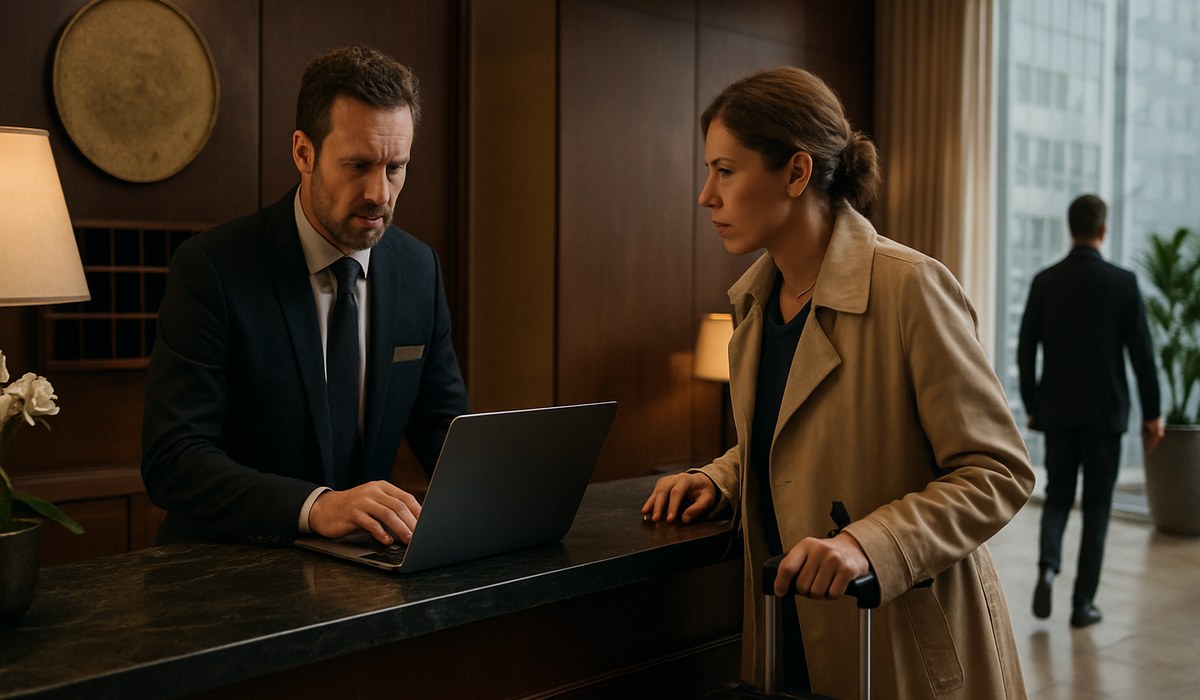
Image generated by AI
U.S. Hotel Operators Navigate Rising Costs and Staffing Crisis in 2026
The American hotel industry faces mounting pressure from labor shortages and escalating operational expenses heading into the second quarter of 2026. Recent industry data reveals that property managers across major markets—including Arizona, Atlanta, Boston, and California—are grappling with workforce gaps and inflationary cost pressures. These challenges directly shape guest experiences, room availability, and booking patterns nationwide.
The combined effect of hotel rising costs and staffing constraints creates significant uncertainty for hospitality investors and operators. Properties from budget chains to luxury resorts report difficulty filling housekeeping, front desk, and maintenance positions. Simultaneously, food costs, energy expenses, and wage pressures continue climbing, squeezing profit margins across the sector.
Labor Shortages Hit Housekeeping and Service Roles Hardest
Labor shortages persist as the most urgent operational challenge facing U.S. hotels in 2026. Housekeeping departments struggle to fill positions in major metropolitan areas like Chicago, Atlanta, and Boston, forcing some properties to reduce daily cleaning frequencies or extend room turnover times.
Service staff shortages cascade throughout hotel operations. Front desk teams work extended shifts. Kitchen crews operate with minimal buffer capacity. Maintenance teams defer non-emergency repairs. The ripple effect directly impacts guest satisfaction scores and online reviews. Properties report that finding qualified candidates willing to accept hospitality wages remains extraordinarily competitive.
Regional labor markets show particular stress. Arizona hospitality businesses compete with construction and logistics firms for entry-level workers. Boston-area hotels face competition from healthcare and technology sectors offering premium wages. Atlanta's rapid tourism growth intensifies demand for hospitality professionals.
Industry associations anticipate labor pressures will persist through summer 2026. To explore how these trends affect your travel plans, check Booking.com's real-time availability across affected regions.
Hotel Rising Costs Reshape Pricing and Profit Dynamics
Hotel rising costs across multiple categories have fundamentally altered pricing strategies for U.S. properties. Utility costs increased 12-18% year-over-year in major markets. Linen and laundry services command higher rates. Guest amenity expenses have climbed due to supply chain inflation.
Labor wage increases, driven by competitive hiring pressures, consume larger portions of operational budgets. Full-service properties in California and Chicago report wage inflation exceeding 8% annually. These costs cannot always pass directly to guests without risking booking declines.
Food and beverage operations face particular pressure. Restaurant and breakfast provisions involve volatile commodity pricing. Staffing a F&B department requires higher compensation packages. Some properties respond by reducing complimentary breakfast offerings or streamlining restaurant hours.
Technology infrastructure upgrades—increasingly expected by modern travelers—demand capital investment that strains budgets already pressured by rising daily costs. Properties balance guest expectation investments against operational necessity.
Booking Patterns Show Mixed Signals and Seasonal Uncertainty
Uncertainty characterizes booking trends across U.S. hospitality markets in early 2026. Corporate travel has rebounded partially, but business travelers remain selective about destination and property type. Leisure bookings fluctuate based on economic sentiment and fuel prices.
Atlanta's convention and tourism sector shows relative resilience. Boston's early-summer bookings remain steady due to academic and research institution conferences. Arizona properties benefit from spring events and golf season. California coastal resorts maintain strong demand despite higher room rates.
Short-lead bookings dominate, as travelers delay decisions due to economic uncertainty. Direct website bookings have increased, while third-party distribution channel bookings slowed. This shift requires properties to invest more heavily in digital marketing and loyalty programs—adding further operational costs.
Seasonal volatility creates planning challenges. Properties struggle to forecast staffing needs when booking windows narrow and cancellation rates fluctuate. This uncertainty cascades through scheduling, procurement, and capital planning decisions.
Visit Expedia's hotel comparison tool to monitor real-time pricing and availability trends across major U.S. markets.
What Guests Get
- Adjusted service standards due to staffing reductions (fewer daily housekeeping visits at some properties)
- Higher room rates reflecting operational cost increases, particularly in high-demand seasons
- Limited amenity packages as some complimentary services are consolidated or eliminated
- Digital-first check-in options designed to reduce front-desk labor requirements
- Loyalty program incentives emphasizing direct bookings to reduce distribution costs
- Flexible cancellation policies adapted to volatile booking patterns and capacity uncertainty
Industry Outlook: Key Data Points and Projections
| Market Sector | Wage Growth Pressure | Occupancy Trend | Rising Cost Impact | Labor Shortage Severity |
|---|---|---|---|---|
| Full-Service Hotels | 7-9% | Mixed (66-72%) | High | Critical |
| Limited-Service Properties | 5-7% | Stable (74-78%) | Moderate | Significant |
| Luxury Resorts | 6-8% | Strong (80%+) | Moderate-High | Moderate |
| Economy Hotels | 8-10% | Pressure (60-68%) | High | Critical |
| Boutique Properties | 6-7% | Variable (65-75%) | Moderate | Significant |
| Convention Hotels | 7-8% | Recovering (70-76%) | High | Critical |
What This Means for Travelers in 2026
Plan strategically and book strategically during 2026's hospitality environment:
-
Expect higher rates – Hotel rising costs directly increase room prices. Budget 8-15% more than equivalent 2025 rates for peak seasons. Shoulder seasons may offer better value.
-
Book earlier for peak periods – Short-lead bookings create availability gaps. Reserve summer and holiday travel 60-90 days in advance for preferred properties.
-
Consider property type carefully – Limited-service hotels typically maintain better availability and staffing than full-service properties. Reduced amenities mean lower costs.
-
Use loyalty programs – Direct bookings through loyalty programs increasingly offer better rates and flexibility than third-party sites as hotels reduce distribution costs.
-
Verify amenities before booking – Confirm that complimentary services (breakfast, parking, fitness center access) are included. Some properties have eliminated or modified traditional offerings.
-
Build flexibility into plans – Wider cancellation windows and flexible dates protect against booking volatility. Properties increasingly offer modifications without penalties.
-
Monitor location-specific trends – Arizona, Atlanta, Boston, California, and Chicago markets show different supply-demand dynamics. Local conditions affect availability and pricing significantly.
Frequently Asked Questions
How do hotel rising costs affect my room rate in 2026? Hotel rising costs including labor wages, utilities, and supply chain expenses translate directly to higher nightly rates. Most U.S. properties have increased rates 8-15% compared to 2025 levels. Cost increases accelerated particularly for full-service hotels in major metropolitan markets like Boston, Chicago, and Atlanta.
Will labor shortages result in reduced hotel service quality? Labor shortages directly impact service delivery at many properties. Housekeeping may operate on extended schedules. Front desk hours may be modified. Some hotels have reduced daily room cleaning to every other day. Service consistency varies by property brand and market strength. Luxury properties in strong markets like California maintain staffing more effectively than economy hotels in pressure markets.
How should I adapt my travel booking strategy given 2026 uncertainty? Book peak-season travel 60-90 days in advance as short-lead bookings intensify. Choose properties based on your priorities rather than traditional expectations. Consider direct website booking to access better rates. Join loyalty programs for pricing advantages. Build cancellation flexibility into reservations.
Which U.S. markets face the most severe hotel rising costs? Full-service properties in California, Boston, Chicago, and major convention cities like Atlanta experience the highest cost pressures. Limited-service properties in secondary markets show more moderate increases. Wage competition from technology and construction sectors intensifies cost pressures in California and Arizona specifically.
Related Travel Guides
U.S. Hotel Amenities Changing in 2026: What to Expect
How to Find the Best Hotel Deals During Economic Uncertainty
Labor Shortages Impact on Tourist Destinations Across America
Disclaimer
Disclaimer
This article is for informational and educational purposes only. It does not constitute legal, financial, or professional advice. While we strive to provide accurate and up-to-date information, travel policies, regulations, and conditions change rapidly. Always verify information with official sources before making travel decisions. Nomad Lawyer makes no representations about the accuracy, reliability, completeness, or suitability of the information provided. Readers should consult qualified professionals for advice specific to their circumstances. The views expressed in this article are those of the author and do not necessarily reflect the views of Nomad Lawyer.
Raushan Kumar
Founder & Lead Developer
Full-stack developer with 11+ years of experience and a passionate traveller. Raushan built Nomad Lawyer from the ground up with a vision to create the best travel and law experience on the web.
Learn more about our team →