
Hoshino Resorts Launches Cool-Down Onsen Programme at KAI Ryokans for Summer 2026 Wellness
KAI Ryokans introduces the Cool-Down Soak programme to adapt traditional Japanese hot spring bathing for summer heat, featuring lower temperatures and expert guidance.

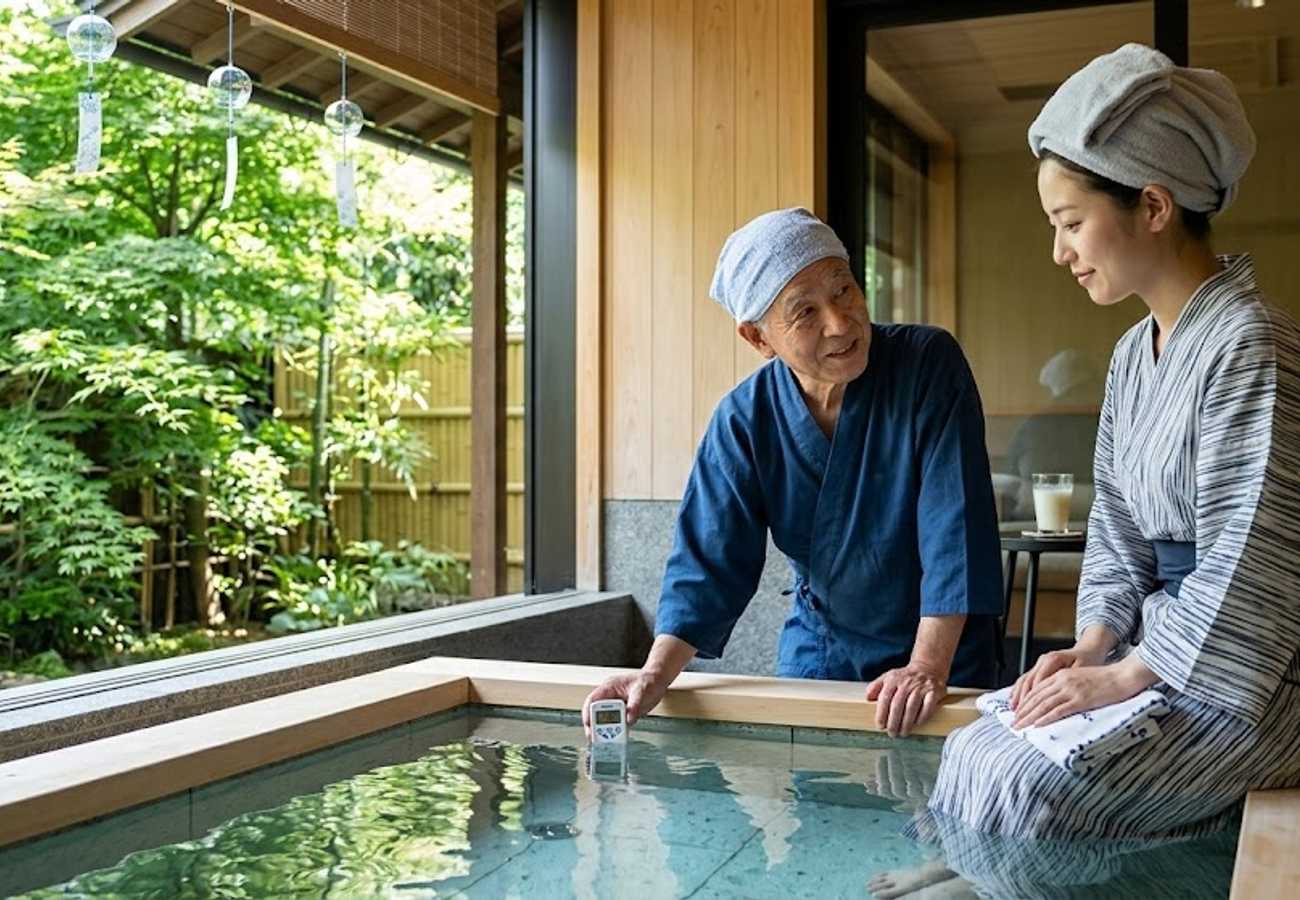
Image generated by AI
Japan is redefining the seasonal boundaries of its famous hot spring culture as Hoshino Resorts introduces a specialized summer wellness initiative across its KAI Ryokan portfolio. Between June and August 2026, the "Cool-Down Soak" programme will offer lower-temperature bathing and expert-led relaxation to combat extreme summer heat.
Historically, the Japanese onsen experience has been viewed as a winter sanctuary, where steaming waters provide relief from the cold. However, the rising intensity of Japanese summers has prompted a shift in hospitality strategy. By adjusting the thermal profile of their baths and integrating medical research, KAI Ryokans are positioning wellness as a year-round necessity rather than a seasonal luxury.
Thermal Adaptation for Summer Bathing in Japan
The Cool-Down Soak is available at all KAI properties from 1 June to 31 August 2026. In a departure from the high temperatures typically associated with traditional hot springs, these baths are maintained at a precise range of 35–36°C.
Industry data indicates that this specific temperature range aligns with the human body’s "thermo-neutral zone," a state where the body does not need to actively work to maintain its core temperature. This adjustment is designed to minimize physical strain and reduce the excessive perspiration that often follows a traditional hot bath during humid months.
The scientific foundation of the programme was developed in collaboration with Dr. Shinya Hayasaka, a specialist in balneotherapy and physician with over 25 years of research into the physiological effects of saunas and hot springs. Under this guided framework, guests are encouraged to soak for 10 to 20 minutes, though these durations are tailored based on the specific mineral composition of the local spring at each property.
Expert Guidance and the Role of the Yumori
To ensure the experience remains culturally authentic while being physically accessible, KAI Ryokans are deploying dedicated "Yumori," or onsen masters. These specialists provide more than just operational oversight; they offer guided wellness instruction, explaining the nuances of the bathing process and assisting guests in optimizing their soak for maximum recovery.
This integration of expert guidance transforms the bath from a passive activity into a structured wellness ritual. For international travelers who may be unfamiliar with the strict etiquette and physiological demands of onsen bathing, the presence of a Yumori reduces the barrier to entry and enhances the overall luxury experience.
Post-Bath Recovery and Seasonal Atmosphere
The wellness journey extends beyond the water's edge. KAI has redesigned its post-bath environment to mirror the cooling needs of the season. This includes the introduction of specialized refreshments served in the Yuagari lounges:
- Low-Alcohol Post-Bath Beer: A lighter alternative to traditional brews to prevent dehydration.
- Chilled Amazake: A traditional fermented rice drink served cold to provide natural sugars and hydration.
The physical environment of the lounges has also been updated with traditional Japanese summer motifs, including wind chimes and paper fans, creating a sensory experience that aligns with the "Cool-Down" theme.
This holistic approach is a direct response to the escalating climate challenges in the region. Reports indicate that heatstroke-related hospitalizations in Japan exceeded 100,000 during the summer of 2025, highlighting the urgent need for hospitality providers to adapt their offerings to protect guest health.
KAI Ryokans Strategic Expansion Toward 2030
The launch of the Cool-Down Soak coincides with the 15th anniversary of the KAI brand and serves as a catalyst for a larger growth strategy. Hoshino Resorts is currently executing a project titled “30 Onsen Ryokans, 30 Onsen Cultures,” aiming to expand its current portfolio of 24 properties to 30 by the end of 2030.
The expansion roadmap for the immediate future includes several high-profile openings and upgrades:
| Scheduled Opening/Update | Location | Prefecture | Year |
|---|---|---|---|
| KAI Kusatsu | Kusatsu | Gunma | 2026 |
| KAI Miyajima | Miyajima | Hiroshima | 2026 |
| KAI Zao | Zao | Yamagata | 2026 |
| KAI Matsumoto (Renovation) | Matsumoto | Nagano | 2026 |
| KAI Ureshino | Ureshino | Saga | 2027 |
This growth strategy emphasizes geographic diversity, ensuring that the brand captures various regional hot spring cultures while maintaining a standardized level of luxury and seasonal adaptability.
Why This Matters: The Evolution of Japan's Wellness Economy
For the modern traveler and the digital nomad, this shift represents a significant change in how Japan is experienced. Traditionally, the "golden route" of Japanese travel often relegated ryokan stays to the autumn or winter months. By scientifically lowering bathing temperatures and focusing on "thermo-neutral" wellness, Hoshino Resorts is effectively removing the seasonal restriction on high-end onsen tourism.
From a logistical standpoint, this allows travel planners and independent visitors to integrate luxury wellness stays into mid-year itineraries without the risk of heat exhaustion. It transforms the ryokan from a seasonal shelter into a year-round wellness hub. Furthermore, by leveraging balneotherapy research, the industry is moving away from "tradition for tradition's sake" and toward a data-driven approach to guest health.
The integration of the Yumori and the focus on post-bath hydration suggests that the future of Japanese hospitality lies in "guided wellness"—where the guest is not just provided a room and a bath, but a curated health experience backed by medical insight.
Adapting ancient traditions to survive a warming climate is the new frontier of luxury hospitality in East Asia.
Related Travel Guides
Disclaimer
This article is for informational and educational purposes only. It does not constitute legal, financial, or professional advice. While we strive to provide accurate and up-to-date information, travel policies, regulations, and conditions change rapidly. Always verify information with official sources before making travel decisions. Nomad Lawyer makes no representations about the accuracy, reliability, completeness, or suitability of the information provided. Readers should consult qualified professionals for advice specific to their circumstances. The views expressed in this article are those of the author and do not necessarily reflect the views of Nomad Lawyer.
Kunal K Choudhary
Co-Founder & Contributor
A passionate traveller and tech enthusiast. Kunal contributes to the vision and growth of Nomad Lawyer, bringing fresh perspectives and driving the community forward.
Learn more about our team →