
Caribbean Dive Surge: Honduras Tourism Sees Roatán and Utila Lead Demand on the Mesoamerican Barrier Reef
Honduras's Bay Islands experience a surge in diving and luxury beachfront tourism in Roatán and Utila, supported by Mesoamerican reef conservation.

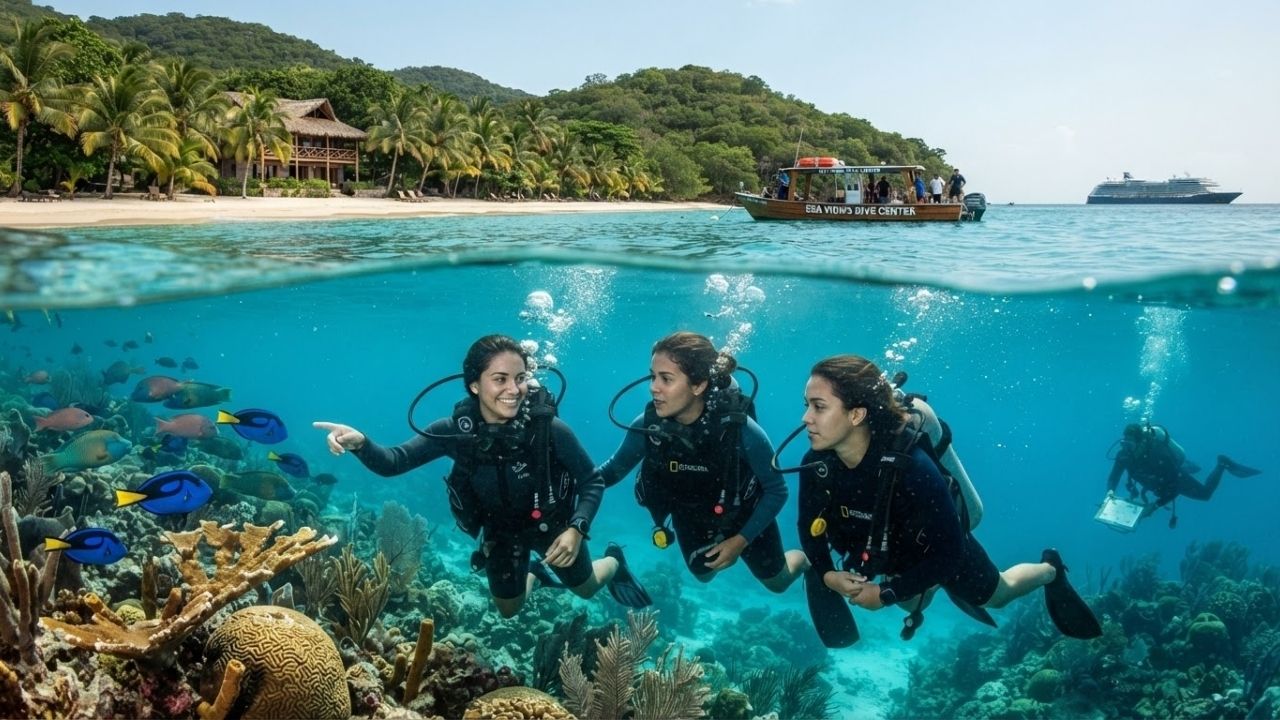
Image generated by AI
Catering to international divers and beachfront travelers, the Bay Islands of Honduras are experiencing strong demand for leisure tourism.
The Caribbean travel market is recording consistent growth in nature-based tourism, with Roatán and Utila serving as primary regional destinations. Hospitality records show high occupancy rates across the islands' dive resorts and beachfront properties. While Roatán attracts cruise ship passengers and luxury travelers to West Bay and Sandy Bay, Utila continues to serve as a global hub for budget-friendly scuba training and certifications, showing a diverse regional tourism sector.
Caribbean Dive Surge: Roatán and Utila Drive Travel Demand
The appeal of the Bay Islands is built around the quality of their marine environments and coastal infrastructure. The islands provide international visitors with direct access to diving, snorkeling, and beach recreation. This specialist positioning helps the region stand out in the competitive Caribbean leisure travel market.
To manage the high volume of visitors, local businesses are coordinating resort stays with guided excursions. Travelers can book multi-day packages that combine dive training with beachfront accommodation, supporting longer stays. This integrated model provides consistent revenue to local divemasters, captains, and service workers across the islands.
Premium Coastal Gateways: Beachfront Lodging in West Bay and Sandy Bay
Roatán remains the largest and most developed island in the archipelago, offering amenities for premium beachfront vacations. The areas of West Bay and Sandy Bay are particularly popular for overnight stays, featuring upscale resorts and private villas along the coastline. These locations offer travelers direct access to sandy beaches and shallow coral reefs.
Cruise tourism also plays a key role in Roatán's visitor economy. Regularly scheduled port calls bring large numbers of short-stay visitors who participate in organized shore excursions, including snorkeling and beach tours. This short-stay traffic introduces first-time visitors to the island, who often return later for longer resort stays.
Affordable Certification Hubs: Scuba Training on Utila
In contrast to Roatán's resort-oriented market, Utila has established a reputation as an affordable training ground for scuba divers. The island features numerous dive centers offering Professional Association of Diving Instructors (PADI) certification courses, attracting travelers who stay for several days to complete their qualifications.
This diving-focused market supports a network of budget guesthouses, local restaurants, and eco-lodges. Travelers on Utila organize their holidays around scheduled training sessions, spending their afternoons exploring the island's coastal paths. This specialized focus helps the island maintain steady booking volumes outside the main winter travel seasons.
Ecological Foundations: The Mesoamerican Barrier Reef
The marine tourism sector across the Bay Islands is directly connected to the health of the Mesoamerican Barrier Reef. As the second-largest reef system in the world, the barrier reef extends along the coasts of Mexico, Belize, Guatemala, and Honduras, supporting diverse coral habitats and marine species.
For travelers, the reef provides the setting for underwater photography and marine life encounters. The proximity of the reef to the shoreline allows divers to access deep walls and coral gardens within minutes of leaving the dock. This convenience is a primary factor driving the popularity of the Bay Islands.
Active Conservation: Reef Monitoring and Responsible Tourism
Because the local economy depends on healthy marine habitats, regional conservation groups are prioritizing reef monitoring. Programs managed by the Roatán Marine Park and the Bay Islands Conservation Association track changes in water temperature, coral cover, and fish populations. These data support the development of sustainable diving guidelines.
Travelers can contribute to these conservation efforts by practicing responsible diving habits, such as maintaining buoyancy control to avoid contact with the reef structure. Using mineral-based, reef-safe sunscreens prevents chemical damage to coral tissues. Supporting operators that follow eco-friendly guidelines helps ensure the long-term safety of the marine park.
Navigating Cruise Tourism and Stay-Over Travel Markets
The coexistence of cruise passengers and stay-over guests creates a balanced visitor economy in Roatán. While cruise passengers generate demand for day excursions and local transport, stay-over guests support hotels, dining, and multi-day dive operators. This dual market helps local businesses maintain steady operations throughout the week.
To manage the volume of visitors during cruise arrivals, tour operators schedule excursions at different locations around the island. This coordination minimizes crowding at popular dive sites and beaches, preserving the experience for all travelers. The balance between cruise and resort travel remains a key focus for local planners.
Sustainable Eco-Lodges and Garifuna Community Support
Sustainable lodging options, including solar-powered eco-lodges, are expanding across both islands to support conservation goals. These properties use rainwater collection systems and organic waste management to reduce their environmental impact. Staying in these lodges appeals to eco-conscious travelers who want to minimize their carbon footprint.
Additionally, visitors can support local communities by taking cultural excursions to Garifuna villages, such as Punta Gorda on Roatán. Purchasing traditional coconut bread and handcrafted items directly from local makers ensures that tourism revenue benefits regional families. These sustainable choices support the preservation of the Bay Islands' cultural heritage.
Practical Travel Advice and Local Insider Tips
Travelers planning a diving holiday to the Bay Islands can prepare with these recommendations:
- Travel in the Shoulder Months of May and October: Plan your visit during these months to enjoy calm seas, excellent underwater visibility, and lower rates at beachfront resorts.
- Try Baleadas and Tapado Soup: Sample traditional baleadas—thick tortillas filled with beans, crema, and cheese—and savor tapado olanchano, a rich seafood soup prepared with coconut milk and plantains.
- Observe Strict Reef Conservation Etiquette: Avoid touching, standing on, or kicking the living coral structure during your dives, and use only certified reef-safe sunscreens.
- Hike Pumpkin Hill on Utila: Walk the path to the top of Pumpkin Hill to enjoy a panoramic view of Utila's coastline and the Caribbean Sea away from the main port.
- Select Certified Eco-Dive Operators: Book your excursions with dive shops that participate in local monitoring and support the Roatán Marine Park.
Bay Islands Tourism and Reef Conservation Matrix
| Island Destination | Primary Tourism Segment | Key Beach / Dive Locations | Key Ecological Initiative | Local Culinary Highlights |
|---|---|---|---|---|
| Roatán | Luxury resorts, cruise passengers | West Bay, Sandy Bay, Half Moon Bay | Roatán Marine Park patrols | Baleadas, Tapado soup |
| Utila | Budget divers, PADI students | Pumpkin Hill, Water Cays | BICA coral reef restoration | Fresh seafood, coconut bread |
| Mesoamerican Reef | Snorkeling, research excursions | Outer walls, shallow coral gardens | Mesoamerican Barrier Reef monitoring | Fish conservation efforts |
| Sandy Bay Hub | Stay-over tourists, eco-lodges | Coral gardens, dolphin research | Eco-lodge waste-water filters | Island-style chicken stews |
| West Bay Coast | Luxury beachfront travelers | West Bay beach, deep drop-offs | Beach erosion control projects | Rum cakes, local fruits |
Frequently Asked Questions
What is driving leisure tourism in the Bay Islands of Honduras?
Tourism growth is driven by strong demand for diving holidays, PADI certification courses, luxury beachfront stays, and cruise ship stops.
How do the visitor markets of Roatán and Utila differ?
Roatán focuses on luxury beachfront resorts, cruise calls, and premium dining. Utila caters to budget-conscious divers seeking PADI training and eco-lodges.
Why is the Mesoamerican Barrier Reef important for Bay Islands tourism?
The reef provides the ecological foundation for all diving and snorkeling activities, making reef conservation essential for the local economy.
How can divers support marine conservation in Honduras?
Divers can choose certified eco-friendly operators, avoid touching coral during dives, and support local reef monitoring programs run by conservation bodies.
The Future of Honduras Marine Tourism
The growth of tourism in Roatán and Utila highlights the link between environmental management and economic sustainability. By balancing luxury beachfront resort development with budget dive training and marine conservation, the Bay Islands are expanding their appeal. Maintaining the health of the Mesoamerican Barrier Reef through active monitoring and responsible traveler habits remains essential for the region's future. As visitor numbers grow, coordination between the Honduran Institute of Tourism, marine biologists, and dive operators will remain key to protecting the islands' natural resources.
By booking with certified eco-guides and respecting marine reserve rules, visitors help protect the Caribbean's diverse coral ecosystems.
Related Travel Guides
Disclaimer
This article is for informational and educational purposes only. It does not constitute legal, financial, or professional advice. While we strive to provide accurate and up-to-date information, travel policies, regulations, and conditions change rapidly. Always verify information with official sources before making travel decisions. Nomad Lawyer makes no representations about the accuracy, reliability, completeness, or suitability of the information provided. Readers should consult qualified professionals for advice specific to their circumstances. The views expressed in this article are those of the author and do not necessarily reflect the views of Nomad Lawyer.
Raushan Kumar
Founder & Lead Developer
Full-stack developer with 11+ years of experience and a passionate traveller. Raushan built Nomad Lawyer from the ground up with a vision to create the best travel and law experience on the web.
Learn more about our team →