
Honduras Rises in Pride With Electrifying Independence Day Parades This September
Honduras celebrates its 205th Independence Day on September 15, 2026, with vibrant school marching bands, palillonas, and civic pride across Tegucigalpa and San Pedro Sula.

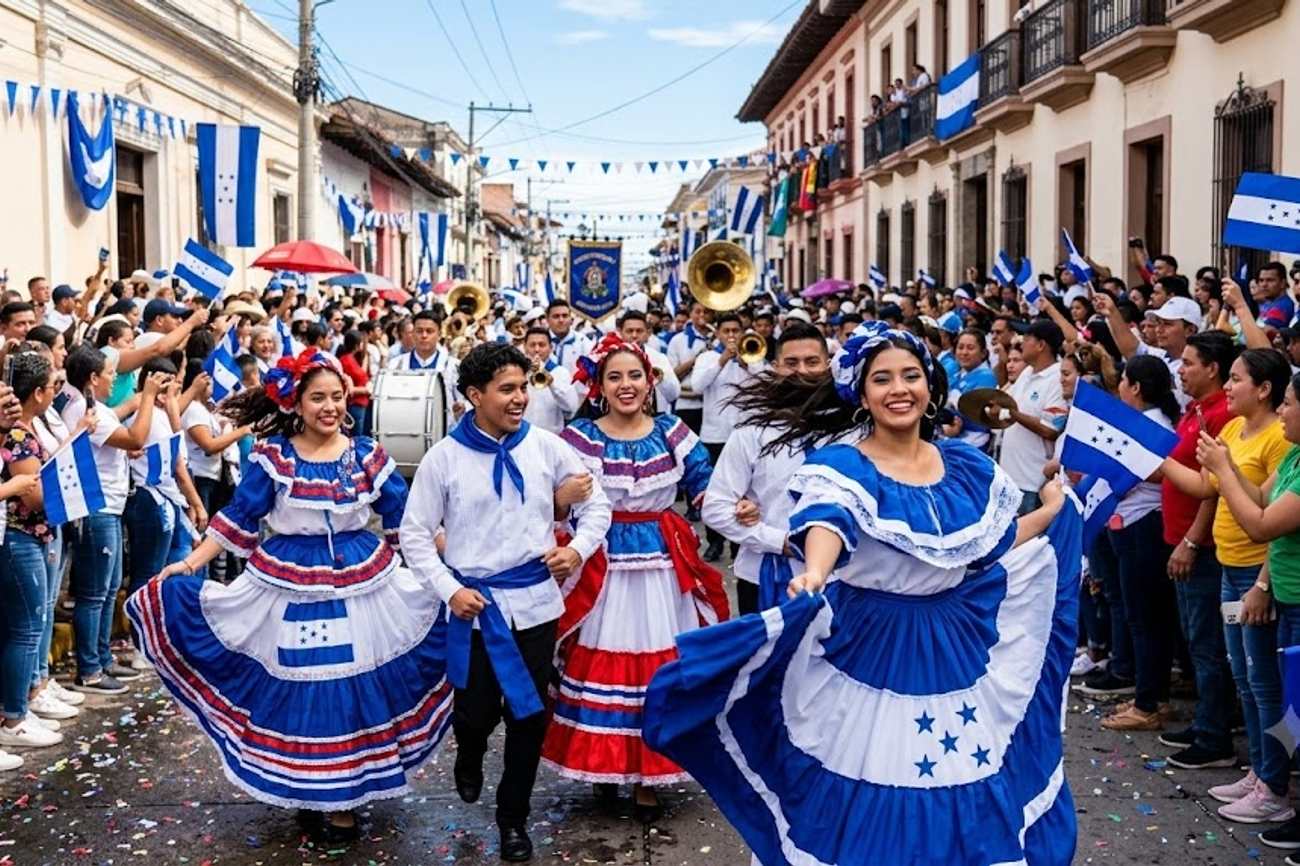
Image generated by AI
Unlike most national holidays celebrated with ticketed stadium spectacles or military flyovers, Honduras surrenders its busiest thoroughfares to hundreds of student marching bands and baton-twirling palillonas who practice for months to honor their sovereignty. On 15 September 2026, the Central American nation will mark its 205th Independence Day, commemorating its separation from Spain in 1821. Across highland capital streets and humid industrial avenues, commercial life grinds to an absolute halt as communities turn urban boulevards into open-air stages of civic pride. For international travelers arriving in Tegucigalpa or San Pedro Sula, this anniversary offers an intimate window into a country that wears its patriotic identity with uninhibited passion, vibrant rhythms, and deep generational solidarity.
Experiencing 15 September in Honduras requires moving past conventional travel guide expectations of Caribbean beach resorts or quiet coffee plantations. Independence Day is a nationwide public holiday where schools, banks, and government offices shutter, leaving the streets to the people. From early dawn, neighborhoods transform as blue-and-white flags flutter from balconies, lampposts, and family storefronts. The energy is intense, grassroots, and entirely community-driven. For visitors willing to navigate early morning road closures and high tropical heat, the celebration reveals how civic tradition, music, and local gastronomy form the bedrock of everyday Honduran life.
The 205th Anniversary: Civic Rhythms and High-Heat Festivities
The celebration on 15 September 2026 represents a shared national rhythm rather than an isolated commercial festival. In Tegucigalpa, the nation's capital, the historic core and major avenues welcome massive school contingents, civic associations, and youth orchestras. Students take the central role, marching in pressed uniforms, bearing flags, and filling the urban basin with brass and percussion. The scale of the program heavily impacts urban mobility; authorities establish extensive street closures and traffic diversions, requiring travelers to set out early and rely on foot transit across central districts.
In San Pedro Sula, the commercial engine of northern Honduras, civic activities center along First Street. More than 20 educational institutions are scheduled to parade along this major corridor, drawing thousands of students, dancers, and family supporters for a day-long showcase of civic devotion. Local authorities establish specialized security corridors and traffic reroutes to manage the crowds, requiring visitors to confirm transit conditions before departing their accommodations.
Climatic conditions add an intense physical dimension to the northern festivities. Meteorological forecasts indicate that temperatures in San Pedro Sula could reach around 37°C on 15 September. The combination of fierce tropical sun, paved streets, and dense crowds makes heat management essential. Carrying bottled water, wearing light breathable cottons, and securing viewing positions beneath building overhangs or shade trees are basic necessities for enjoying the event safely. Detailed regional travel guidelines can be checked directly through the Honduras Tourism Board.
What Makes Honduras Different: Highland Defiles and Sula Valley Energy
The contrast between Honduras's primary urban hubs shapes two distinct regional expressions of Independence Day. Tegucigalpa is nestled within a rugged mountain bowl over 3,000 feet above sea level, where steep winding streets and colonial plazas create natural amphitheaters. The acoustics of drum corps echo dramatically against pine-forested slopes, giving the capital's parades a resonant, historic gravity.
In contrast, San Pedro Sula sits within the broad Sula Valley, surrounded by lush tropical vegetation and the rising heights of the Merendon range. Here, the civic atmosphere is propelled by tropical vigor and fast-paced brass arrangements. Across both cities, the defining cultural element is the palillonas. These student performers lead their respective school contingents with synchronized baton routines, vibrant bespoke costumes, and choreographed movement. Unlike stylized foreign majorettes, Honduran palillonas incorporate Latin dance footwork and athletic precision, embodying civic dignity and youth leadership.
The musical soundscape also distinguishes Honduran parades from standard military reviews. While traditional patriotic anthems form the formal foundation, student marching bands frequently weave infectious Caribbean rhythms, marimba melodies, and Garifuna Punta beats into their brass repertoires. The result is an infectious civic celebration where spectators line sidewalks three rows deep, clapping in sync with booming bass drums and encouraging teenage performers enduring long miles under the sun.
Visitor Insider Tips: Navigating Parades, Heat, and Street Food
Attending Independence Day parades in Honduras is rewarding, but it demands street awareness, climate preparation, and an appetite for authentic local dining.
Timing Your Morning Parades begin early, often stepping off by 7:00 AM to take advantage of cooler morning air. To secure a prime viewing spot with reliable shade, position yourself along First Street in San Pedro Sula or near central routes in Tegucigalpa by 6:30 AM. Activity peaks before midday and begins tapering off by 2:00 PM as schools conclude their circuits, leaving downtown areas quiet by late afternoon.
Local Etiquette and Decorum Hondurans treat the national flag and anthem with genuine reverence. When the national anthem plays or color guards pass carrying the blue-and-white banner, stand upright and remove hats as a mark of respect. Engaging respectfully with families standing nearby fosters immediate warmth; asking politely before taking close-up portraits of student performers is appreciated by parents and teachers supervising the lines.
Street Gastronomy Traditions With standard restaurants operating on limited holiday hours, street food stalls become the social center of the holiday. Taste authentic baleadas prepared fresh on hot comales—thick flour tortillas folded over savory refried red silk beans, salted dry cheese, and rich Honduran mantequilla. Try crispy yuca con chicharrón, featuring tender boiled cassava topped with crunchy pork belly and pickled cabbage slaw, alongside steamed tamales wrapped in banana leaves and sweet cups of rice-based horchata.
Transit and Practical Logistics Given extensive road closures around parade avenues, avoid relying on street-hailed taxis during morning hours. Arrange transportation through your hotel or use reputable radio-taxi dispatch services. Wear durable walking shoes suitable for cracked pavement and keep cash in small denominations for food stalls, as credit card terminals are unavailable among street vendors.
Cultural and Environmental Context: Youth Identity and Natural Heritage
Behind the music and bright banners lies an essential civic reality. For Honduran youth, participating in Independence Day is a rite of passage that demands months of after-school rehearsals, uniform fundraising, and community cooperation. In a society navigating social and economic complexities, these parades offer young people a stage to showcase discipline, talent, and pride in their heritage.
The celebration also provides an opportunity to reflect on the country's rich historical and ecological diversity. Honduras holds ancient civilizational roots, celebrated at monumental sites like the Maya ruins of Copán, inscribed by the UNESCO World Heritage Centre. Protecting this deep indigenous and colonial legacy parallels ongoing efforts to conserve the nation's fragile cloud forests in Celaque National Park and the tropical rainforests of the Caribbean slope.
As urban streets fill with celebration, local environmental initiatives emphasize reducing plastic litter left behind by massive crowds. Visitors who carry reusable water bottles, patronize neighborhood food vendors, and respect municipal guidelines contribute directly to sustainable cultural tourism. By understanding the historical significance of 1821 and supporting community traditions, travelers witness a nation celebrating not just its past sovereignty, but its enduring hope for the future.
FAQ: Visiting Honduras 2026
Are the Independence Day parades free to attend? Yes. All Independence Day parades across Tegucigalpa, San Pedro Sula, and regional towns are free public civic events held on open public streets.
How hot does it get during the parades in San Pedro Sula? Temperatures often reach approximately 37°C by midday. Visitors must carry water, apply sunscreen, and secure shaded viewing spots beneath awnings to avoid heat exhaustion.
Are businesses and banks open on 15 September in Honduras? No. Independence Day is an official national holiday. Government offices, banks, and most commercial businesses are closed, though hotels and street food vendors remain active.
What is the best way to travel around Tegucigalpa on parade day? Walking is the most reliable method within central zones due to major road closures. For longer trips, arrange verified hotel taxis well in advance.
As brass notes fade over the mountains of Tegucigalpa and the Sula Valley cools, the spirit of 15 September endures in the proud steps of Honduras's youth.
Related Travel Guides
Disclaimer
This article is for informational and educational purposes only. It does not constitute legal, financial, or professional advice. While we strive to provide accurate and up-to-date information, travel policies, regulations, and conditions change rapidly. Always verify information with official sources before making travel decisions. Nomad Lawyer makes no representations about the accuracy, reliability, completeness, or suitability of the information provided. Readers should consult qualified professionals for advice specific to their circumstances. The views expressed in this article are those of the author and do not necessarily reflect the views of Nomad Lawyer.
Kunal K Choudhary
Co-Founder & Contributor
A passionate traveller and tech enthusiast. Kunal contributes to the vision and growth of Nomad Lawyer, bringing fresh perspectives and driving the community forward.
Learn more about our team →