
Nature Dividends: Hocking Hills Tourism Drives $295 Million Ohio Success
Nature-based travel in Ohio's Hocking Hills generates $295 million in annual economic benefits, including $179 million in direct visitor spending.

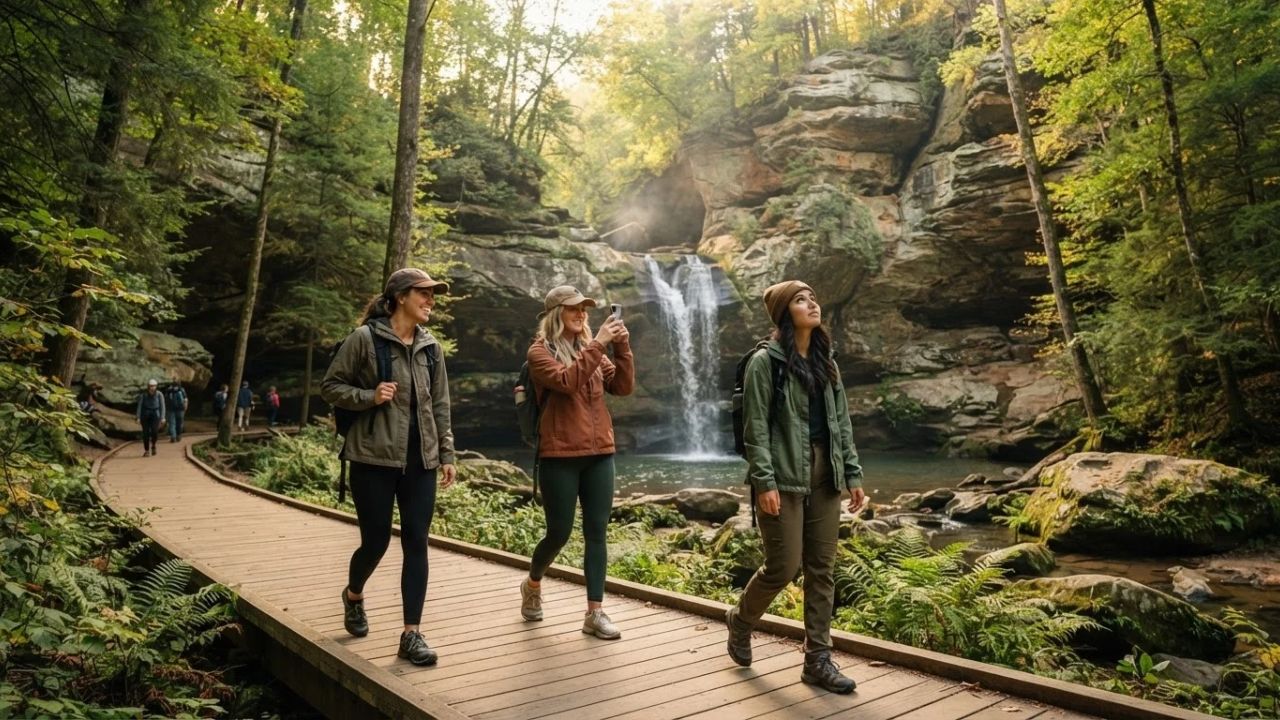
Image generated by AI
Nature-based travel in Ohio's Hocking Hills generates $295 million in annual economic benefits, including $179 million in direct visitor spending, according to a recent Tourism Economics impact study. The sector supports 1,635 jobs and funds community services through lodging tax grants and regional investment funds.
Nature Tourism and Rural Economic Diversification
A significant trend in North American travel is the role of nature-based tourism in diversifying rural economies. Historically, counties in the Midwestern United States relied on agriculture or manufacturing, treating state parks as minor seasonal attractions. In 2026, outdoor recreation has become a primary driver of county development.
By investing in hiking trail maintenance, lodging infrastructure, and local dining hubs, Hocking County converts visitor interest into stable commercial growth. This trend supports regional employment while distributing funding directly to emergency response teams and local non-profit groups.
Economic Impact and Job Creation in Hocking County
The economic data highlights how travelers support businesses, jobs, and public revenues:
- Annual Benefits: Tourism generates $295 million in total economic benefits across the region.
- Direct Spending: Visitors contributed $179 million in direct spending on accommodations, dining, retail, and recreation.
- Employment Support: The travel sector supports 1,635 jobs in hospitality, retail, and tourism-related industries.
- Public Services: Visitor spending generates tax revenues that support public infrastructure, reducing tax pressures on local households.
These findings show that tourism has evolved from a simple visitor draw into an essential part of the county's financial structure.
Reinvesting lodging Taxes into Community Projects
Hocking County utilizes lodging taxes and specialized funds to support community wellbeing and public safety:
- Destination Investment Fund: The Explore Hocking Hills Destination Investment Fund has directed nearly $1.3 million to local non-profit organizations. This funding supports community programs, cultural festivals, entertainment, and historic preservation.
- Emergency Service Grants: Since autumn 2025, visitor-funded lodging taxes have generated around $400,000 in tourism impact grants.
- First Responder Support: These grants fund emergency services and first responders, ensuring that public safety capabilities keep pace with visitor volumes.
This reinvestment model helps return tourism value directly to the residents who host travelers.
Hocking Hills Tourism Economic Impact Coordinates
The table below breaks down the total economic benefits, direct spending, jobs supported, community funds, and emergency grant coordinates established for Hocking County:
| Focus Region | Total Economic Benefits | Direct Visitor Spending | Supported Travel Jobs | Destination Investment Fund | Emergency lodging Tax Grants |
|---|---|---|---|---|---|
| Hocking Hills (Ohio) | $295 million | $179 million | 1,635 jobs | Nearly $1.3 million | Around $400,000 |
| Hocking County | Annual benefits study | Direct business sales | Hospitality & recreation | Non-profit local programs | Supported since autumn 2025 |
These coordinates outline the financial benefits, jobs, and community grants established through regional nature tourism.
Resource Stewardship and Sandstone Conservation
For the visitor, the benefit of choosing designated hiking trails is the protection of Hocking County's rare Black Hand sandstone gorges. Staying on marked paths prevents soil compaction, which protects the root systems of eastern hemlocks and preserves native wild ferns.
Additionally, booking local eco-cabins that utilize rainwater harvesting and low-flow plumbing reduces pressure on Hocking County's groundwater resources. Buying crafts directly from local artisans in Logan keeps travel capital within the community.
For example, you can explore the changing dynamics of Hidden Treasure: Aruba Highlights Rodgers Beach for Quiet Escapes to see how destinations protect coastal shorelines. For transport updates, comparing active travel systems matches other networks, such as Transit Alert: Bury Reopens Market Street Following £5.7 Million Upgrade updates. This trend is similar to the tourism growth seen in other destinations, as detailed in our guide on how Utica, New York Emerges as an Affordable Northeast Tourism Hub.
Visitor Insider Tips: Hiking in Hocking Hills
If you are planning to explore Hocking Hills, keep these practical tips in mind:
- Hike During Weekdays: Visit popular trails like Old Man's Cave, Ash Cave, and Cedar Falls on Tuesdays or Wednesdays to avoid weekend trail congestion.
- Stay on Marked Paths: Never climb rock walls or leave designated boardwalks, as this protects fragile plant species and prevents sandstone erosion.
- Pack a Reusable Water Bottle: Bring your own water container to reduce plastic waste, as garbage bins are limited along deep forest trails.
- Dine at Local Logan Eateries: Support Hocking County farmers and chefs by dining at independent restaurants in nearby Logan, Ohio.
- Prepare for Limited Cell Service: Download trail maps before arriving at the park, as cellular coverage can be weak in deep sandstone gorges.
Long-Term Outlook for Ohio Nature Tourism
The long-term outlook for Hocking Hills is focused on expanding sustainable trail networks, installing electric vehicle (EV) charging stations near park trailheads, and developing additional community-guided heritage walks. As traveler demand for outdoor recreation remains strong, conservation boards will rely on impact grants to manage natural resources.
By protecting local ecosystems and reinvesting lodging taxes, Hocking County aims to build a sustainable nature travel network.
FAQ
What is the annual economic benefit of tourism in Hocking Hills?
Tourism in Hocking Hills generates $295 million in annual economic benefits, including $179 million in direct spending.
How many jobs are supported by tourism in Hocking County?
The tourism sector supports 1,635 jobs in hospitality, retail, and recreation across Hocking County.
What is the Explore Hocking Hills Destination Investment Fund?
It is a fund that has directed nearly $1.3 million to local non-profit organizations to support community programs, festivals, and historic preservation.
How does lodging tax benefit local emergency services?
Since autumn 2025, lodging taxes have generated around $400,000 in tourism impact grants to support local first responders and emergency teams.
Stay updated on the conservation programs and economic updates shaping Ohio nature travel.
Related Travel Guides
Disclaimer
This article is for informational and educational purposes only. It does not constitute legal, financial, or professional advice. While we strive to provide accurate and up-to-date information, travel policies, regulations, and conditions change rapidly. Always verify information with official sources before making travel decisions. Nomad Lawyer makes no representations about the accuracy, reliability, completeness, or suitability of the information provided. Readers should consult qualified professionals for advice specific to their circumstances. The views expressed in this article are those of the author and do not necessarily reflect the views of Nomad Lawyer.
Raushan Kumar
Founder & Lead Developer
Full-stack developer with 11+ years of experience and a passionate traveller. Raushan built Nomad Lawyer from the ground up with a vision to create the best travel and law experience on the web.
Learn more about our team →