
Historic Hotels Across America Preserving Presidential Era Luxury and Political Heritage in 2026
Explore the network of historic hotels across America that served as unofficial presidential compounds and diplomatic hubs, preserving the architectural legacy of U.S. political history.

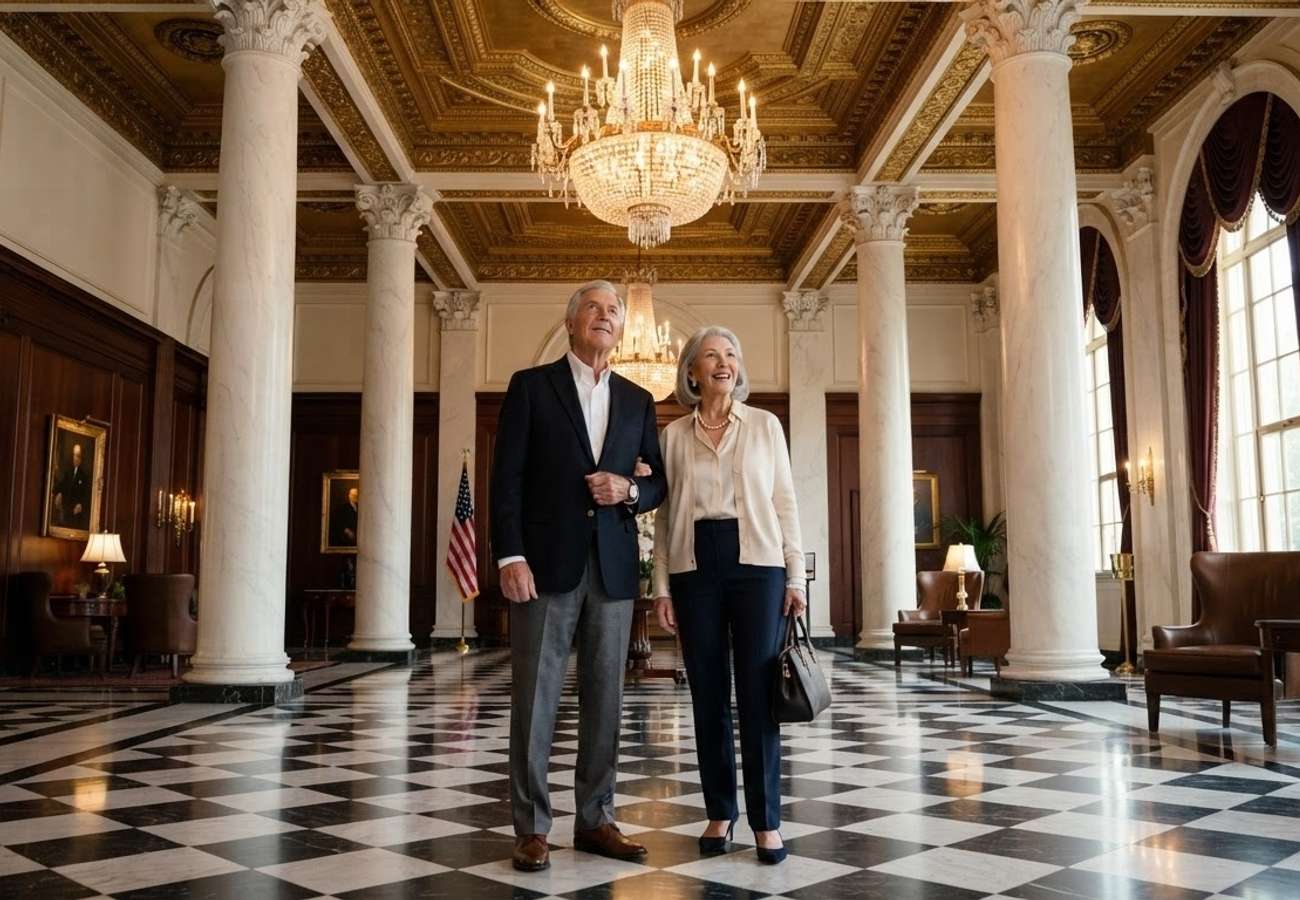
Image generated by AI
U.S. presidents historically utilized luxury hotels as strategic extensions of the White House for diplomacy and governance. Today, these properties serve as architectural archives of American political power.
Before the implementation of high-security presidential compounds and modern aviation, the U.S. executive branch relied on rail and carriage travel. This necessitated stays at the nation's premier luxury hotels and coastal resorts. These venues functioned as clandestine sites for policy discussions and diplomatic negotiations.
The National Trust for Historic Preservation’s Historic Hotels of America program ensures these sites maintain their original interiors and archives. Modern guests can now access the same ballrooms, grand lobbies, and verandas used by world leaders.
Presidential Landmarks and Strategic Retreats
The Greenbrier, West Virginia Established in 1778, this mountain resort has hosted over two dozen presidents. Known as a "summer White House," it provided a secluded environment for political elites. Notably, the property transitioned into a military hospital during World War II and housed a secret underground bunker for Congress during the Cold War.
The Willard InterContinental, Washington D.C. Positioned adjacent to the White House, this venue is cited as the birthplace of American "lobbying" culture. The practice originated from political influencers waiting in the lobby to secure meetings with decision-makers. Its Beaux-Arts architecture continues to house presidential suites and diplomatic venues.
The Omni Homestead Resort, Virginia As one of the oldest continuous resorts in the U.S., the Homestead leveraged its geothermal hot springs to attract presidents seeking health treatments and recovery away from the capital.
Hotel del Coronado, California Built in 1887, this Victorian beachfront icon served as the primary West Coast retreat for political leaders, hosting state dinners and wartime presidential visits.
The Waldorf Astoria, New York This Manhattan landmark has hosted nearly every U.S. president since the early 20th century. Its Art Deco interiors have functioned as critical venues for international conferences and political fundraising.
Regional Political Hubs
- Fairmont Copley Plaza (Boston): A New England landmark that has welcomed every president since the 1900s for campaign events and official receptions.
- Palmer House Hilton (Chicago): A symbol of urban resilience rebuilt after the 1871 Great Chicago Fire, serving as a central hub for Midwestern political figures.
- The Kahala Hotel & Resort (Hawaii): A high-security Pacific escape used by presidents and international dignitaries for private diplomatic summits.
- The Brown Palace Hotel (Denver): A neutral meeting point for national discussions in the Western U.S., distinguished by its stained-glass atrium.
Summary of Presidential Property Significance
| Property | Primary Political Role | Key Feature |
|---|---|---|
| The Greenbrier | Cold War Continuity / Summer Retreat | Underground Congressional Bunker |
| Willard InterContinental | Diplomatic Lobbying Hub | Proximity to White House |
| Hotel del Coronado | West Coast Diplomatic Base | Victorian Beachfront Architecture |
| Waldorf Astoria | Global Diplomacy / Fundraising | Art Deco Presidential Suites |
| The Kahala | Pacific Strategic Escape | High-Security Seclusion |
Why This Matters: The Intersection of Hospitality and Statecraft
Industry observers note that these properties represent more than luxury accommodation; they are "living history" assets. The transition of these hotels from active political hubs to luxury tourist destinations reflects a broader trend in heritage tourism where the "experience" is tied to historical power dynamics.
From a market perspective, the preservation of "Presidential Suites" and original architectural layouts allows these hotels to command a premium. They are not selling rooms, but rather access to the environments where global history was shaped. The dual identity of sites like The Greenbrier—mixing leisure with Cold War strategic utility—adds a layer of "dark tourism" and military history that increases the property's intellectual value.
Industry Outlook
Expect a surge in "heritage-driven" luxury travel as guests increasingly seek authenticity over generic modern luxury. These hotels will likely expand their archival offerings, such as guided political history tours and curated presidential experiences, to differentiate themselves in a competitive high-end market.
The legacy of American governance remains etched into the corridors of these historic landmarks.
Related Travel Guides
Disclaimer
This article is for informational and educational purposes only. It does not constitute legal, financial, or professional advice. While we strive to provide accurate and up-to-date information, travel policies, regulations, and conditions change rapidly. Always verify information with official sources before making travel decisions. Nomad Lawyer makes no representations about the accuracy, reliability, completeness, or suitability of the information provided. Readers should consult qualified professionals for advice specific to their circumstances. The views expressed in this article are those of the author and do not necessarily reflect the views of Nomad Lawyer.
Preeti Gunjan
Contributor & Community Manager
A passionate traveller and community builder. Preeti helps grow the Nomad Lawyer community, fostering engagement and bringing the reader experience to life.
Learn more about our team →