
6 Hidden Pet-Friendly Travel Destinations in Asia for Uncrowded Adventures in 2026
Explore six emerging pet-friendly travel destinations across Asia, from Hoi An to Karuizawa, offering uncrowded landscapes and specialized infrastructure for travelers with animals.

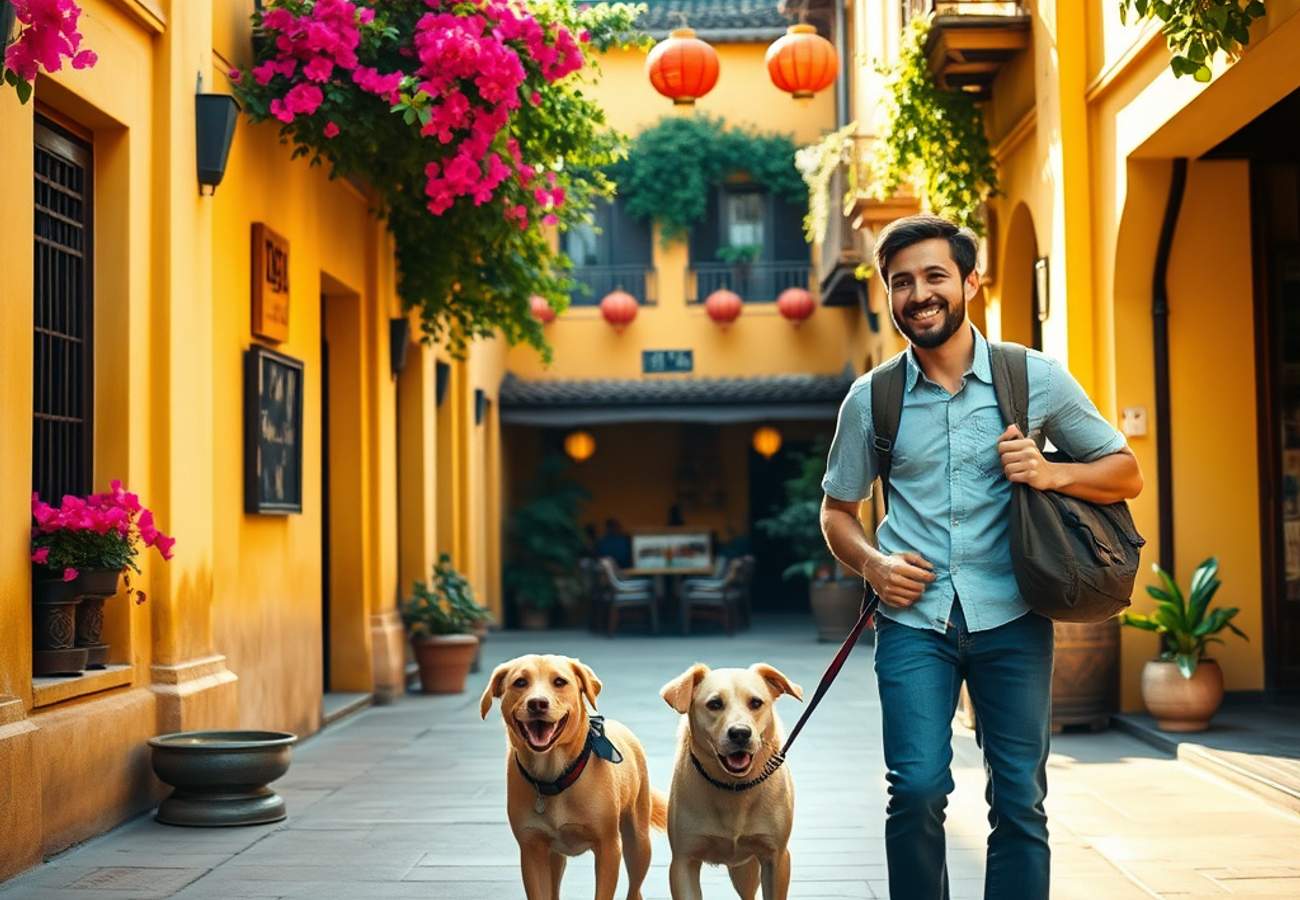
Image generated by AI
The shift toward pet-inclusive tourism is accelerating across Asia, driven by flexible work models and a surge in specialized animal-friendly infrastructure. From coastal retreats to mountain escapes, a new tier of destinations is emerging that prioritizes "pawrents" over traditional tourist crowds.
Emerging Hubs for Pet-Inclusive Tourism
Traveling with animals in Asia was once a logistical hurdle. However, 2026 marks a turning point as hotels, cafés, and public spaces actively pivot to accommodate pets. This trend is most visible in lesser-known cities where the pace of life is slower and the environment is more conducive to animal movement.
Hoi An, Vietnam: Coastal Culture and Walkability
Hoi An has evolved into a primary choice for pet owners due to its compact, pedestrian-centric layout. The Old Quarter’s tree-lined lanes and riverside routes allow for stress-free exploration.
- Key Asset: An Bang Beach provides expansive sandy areas for outdoor activity.
- Infrastructure: Boutique homestays and private villas now routinely provide pet bedding and water bowls.
- Dining: A high density of open-air cafés and courtyard restaurants allows pets to remain with their owners during meals.
Karuizawa, Japan: High-End Mountain Retreats
Located in Nagano Prefecture, Karuizawa serves as a refined alternative to the congestion of Tokyo. It is specifically engineered for nature-based pet travel.
- Nature Access: Kumoba Pond and surrounding forest trails offer low-traffic walking routes.
- Specialized Services: Some local establishments now offer dedicated pet menus and professional grooming support.
- Lodging: Ryokan-style stays and resorts have integrated in-room pet amenities and curated walking maps.
Gangneung, South Korea: The East Coast Escape
Gangneung is positioning itself as a seaside sanctuary, avoiding the metropolitan density of Seoul.
- Coastal Access: Anmok Beach and the "Coffee Street" area feature numerous outdoor seating options for dogs.
- Nature Trails: The Gyeongpo Lake walking path is a flat, shaded route optimized for animal exercise.
- Accommodation: The rise of "pet pensions"—properties designed exclusively for animal owners—offers a higher standard of comfort than traditional hotels.
Yilan, Taiwan: Countryside and Hot Springs
Yilan County offers a blend of agricultural landscapes and wellness retreats, making it a top pick for those seeking authenticity over commercialism.
- Unique Stays: Pet-friendly farm stays and hot spring resorts with private outdoor areas.
- Recreation: Dongshan River Water Park provides wide grassy areas for off-leash or free-movement activities.
- Atmosphere: A slow-paced environment with cafés situated in renovated warehouses and farm buildings.
Ipoh, Malaysia: Heritage and Urban Greenery
Ipoh has moved beyond the shadow of Kuala Lumpur and Penang to offer a more relaxed, heritage-focused experience.
- Urban Layout: Colonial-era shophouses now feature courtyard cafés that welcome pets.
- Green Space: Taman DR Seenivasagam serves as a critical urban green lung for pet exercise.
- Vibe: Lower tourist density compared to other Malaysian hubs makes navigation easier for those with animals.
Pet-Friendly Destination Comparison
| Destination | Primary Appeal | Key Pet Feature | Best For |
|---|---|---|---|
| Hoi An | Heritage/Coast | Pedestrian Old Quarter | Cultural Explorers |
| Karuizawa | Mountains/Forest | Specialized Pet Menus | Luxury Seekers |
| Gangneung | East Sea Coast | Pet Pensions | Beach Lovers |
| Yilan | Countryside | Hot Spring Retreats | Nature Enthusiasts |
| Ipoh | Colonial History | Courtyard Cafés | Slow-Travelers |
Why This Matters: Industry Analysis
From a logistical perspective, the rise of these "hidden" destinations signals a shift in the Asian hospitality market. We are seeing a move away from generic "pet-allowed" policies toward "pet-centric" design.
For the traveler, the real impact is the reduction of "travel friction." In major hubs like Tokyo or Bangkok, pets are often restricted to small areas or specific zones. In contrast, destinations like Karuizawa or Hoi An integrate pets into the primary experience. Our analysis suggests that the growth of "pet pensions" in South Korea and specialized farm stays in Taiwan indicates a professionalization of the pet-travel sector, moving it from a niche convenience to a primary revenue driver for regional tourism.
Forward Outlook
Expect a further integration of pet-specific tech in these regions, including digital "pet passes" for streamlined entry to attractions and an increase in specialized pet transport services between these hubs. As the "digital nomad" lifestyle continues to evolve, these uncrowded destinations will likely see a permanent increase in long-term residents traveling with animals.
The era of leaving pets behind is ending; the era of the shared journey has arrived.
Related Travel Guides
Disclaimer
This article is for informational and educational purposes only. It does not constitute legal, financial, or professional advice. While we strive to provide accurate and up-to-date information, travel policies, regulations, and conditions change rapidly. Always verify information with official sources before making travel decisions. Nomad Lawyer makes no representations about the accuracy, reliability, completeness, or suitability of the information provided. Readers should consult qualified professionals for advice specific to their circumstances. The views expressed in this article are those of the author and do not necessarily reflect the views of Nomad Lawyer.
Kunal K Choudhary
Co-Founder & Contributor
A passionate traveller and tech enthusiast. Kunal contributes to the vision and growth of Nomad Lawyer, bringing fresh perspectives and driving the community forward.
Learn more about our team →