
Canada Overhauls Fighter Fleet With F-35A Purchase, Retiring Aging CF-18 Hornets
Breaking airline news and aviation industry updates for 2026.

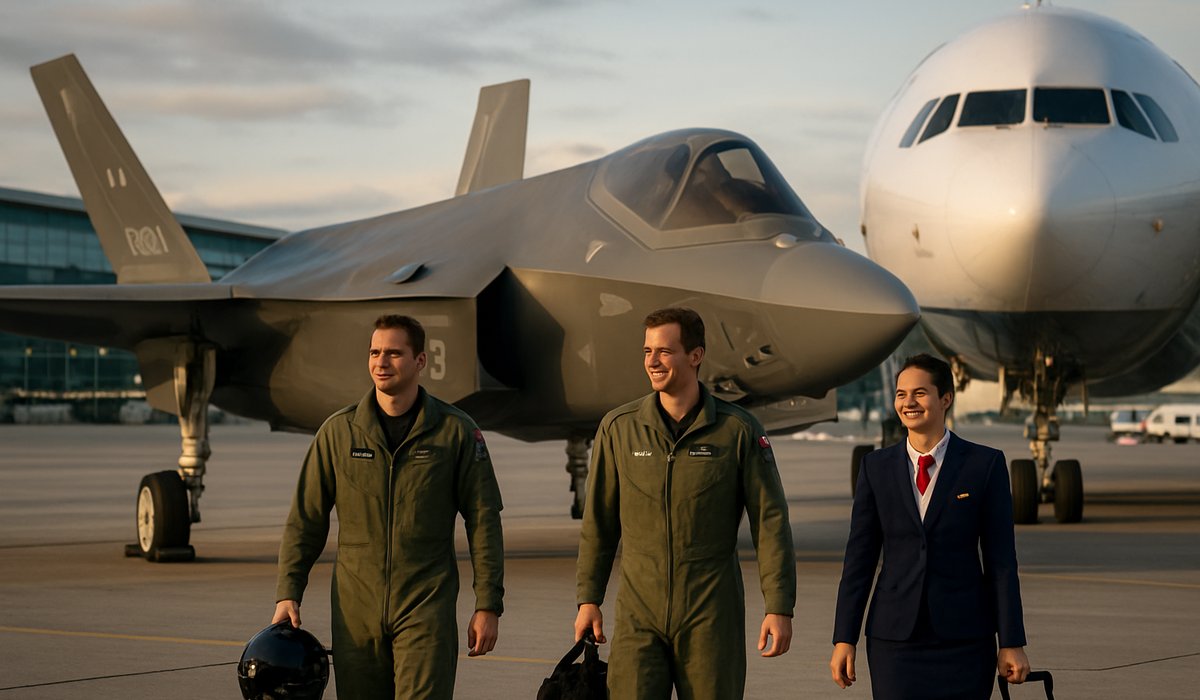
Image generated by AI
Canada Overhauls Fighter Fleet With F-35A Purchase, Retiring Aging CF-18 Hornets
Ottawa commits to 88 next-generation aircraft as aging interceptors fail to meet NATO and NORAD operational demands
Strategic Shift Driven by Aging Aircraft Maintenance Crisis
Canada has committed to a sweeping modernization of its military aviation capabilities, announcing plans to retire its fleet of McDonnell Douglas CF-18 Hornet fighter jets in favor of 88 Lockheed Martin F-35A Lightning II aircraft. The decision marks the country's most substantial air defense investment in over three decades, reflecting mounting operational pressures and aging equipment that has left the Royal Canadian Air Force increasingly unable to meet continental and alliance commitments.
The catalyst for this transformation is stark: with barely 40% of the existing CF-18 fleet mission-ready at any given time, the RCAF faces a critical capability gap in fulfilling its dual obligations to both the North American Aerospace Defense Command (NORAD) and NATO alliance partners. The aging Hornet platform, first introduced to Canadian service in the 1980s, has reached a point where maintenance demands and technical limitations now outweigh operational viability.
Timeline and Deployment Strategy
According to the Government of Canada, initial F-35A deliveries will commence in 2026, with the first aircraft entering operational service by 2028. This phased approach provides the RCAF with a transition period to establish training protocols, infrastructure upgrades, and pilot certification programs necessary to integrate fifth-generation fighter technology into existing operations.
The F-35A Lightning II represents a generational leap forward in combat aviation capability. The single-engine stealth fighter offers advanced sensor fusion, networked warfare integration, and superior situational awareness compared to its aging predecessor—critical advantages in modern air operations where information dominance determines tactical outcomes.
Geopolitical Context and Allied Pressure
Canada's decision arrives amid broader NATO realignment following Russia's invasion of Ukraine and the subsequent acceleration of air defense modernization across allied nations. With European allies significantly increasing defense budgets and upgrading fighter fleets, Canada's commitment demonstrates renewed focus on meeting collective security obligations and NATO interoperability standards.
The procurement also addresses long-standing concerns from the United States regarding North American air defense modernization. F-35A integration across Canadian, U.S., and allied forces strengthens coordinated defense architecture over the Arctic and Atlantic regions—increasingly critical given geopolitical tensions in the north.
The Long Road to Operational Readiness
Despite this strategic necessity, Canada's path to full F-35A deployment remains lengthy. The gap between the CF-18's retirement timeline and comprehensive F-35A operational capability presents a vulnerability window that defense officials will need to manage carefully through transitional measures and extended operations of selected legacy aircraft.
This modernization signals Ottawa's determination to rebuild air force capability after years of budget constraints and deferred investments have degraded the RCAF's operational posture relative to emerging threats.
FAQ
When will Canada's new F-35 fighter jets arrive and become operational? First deliveries begin in 2026, with initial operational service expected by 2028, representing a multi-year transition process for training and infrastructure development.
Why is Canada replacing the CF-18 Hornet fighter jets? The aging CF-18 fleet suffers from only 40% mission readiness due to maintenance demands and technical obsolescence, preventing the RCAF from meeting NATO and NORAD commitments effectively.
How many F-35A fighter jets is Canada purchasing? Canada has committed to acquiring 88 Lockheed Martin F-35A Lightning II aircraft, marking the country's largest air defense investment in over 30 years.
What advantages does the F-35A offer over the CF-18 Hornet? The F-35A provides fifth-generation stealth technology, advanced sensor fusion, network integration capabilities, and superior situational awareness—critical advantages absent in the 1980s-era Hornet platform.
How does this decision relate to NATO and Arctic security? The modernization strengthens NATO interoperability standards and enhances North American air defense capabilities in the Arctic region amid rising geopolitical tensions.
Related Travel Guides
Flight Delay Compensation Guide 2026
Understanding Airline Route Changes
Airport Security Process Updated (2026)
External Resources
Disclaimer
This article is for informational and educational purposes only. It does not constitute legal, financial, or professional advice. While we strive to provide accurate and up-to-date information, travel policies, regulations, and conditions change rapidly. Always verify information with official sources before making travel decisions. Nomad Lawyer makes no representations about the accuracy, reliability, completeness, or suitability of the information provided. Readers should consult qualified professionals for advice specific to their circumstances. The views expressed in this article are those of the author and do not necessarily reflect the views of Nomad Lawyer.
Raushan Kumar
Founder & Lead Developer
Full-stack developer with 11+ years of experience and a passionate traveller. Raushan built Nomad Lawyer from the ground up with a vision to create the best travel and law experience on the web.
Learn more about our team →