
Inside the Cockpit of In-Flight Service: How Senior Cabin Crew Command the Skies
Breaking airline news and aviation industry updates for 2026.

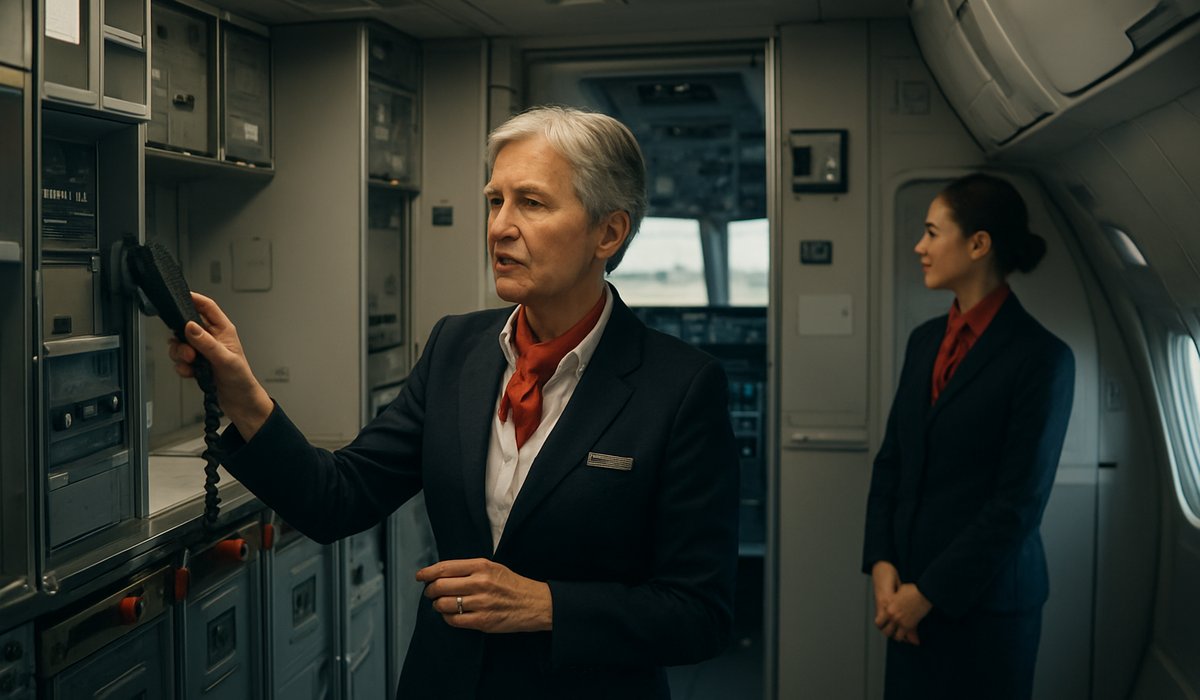
Image generated by AI
Inside the Cockpit of In-Flight Service: How Senior Cabin Crew Command the Skies
The critical leadership role that keeps modern aviation running smoothly—and what it takes to master it
The Unsung Command Center at 35,000 Feet
While pilots capture public imagination, a parallel command structure operates throughout the cabin of every commercial flight. Senior cabin crew members—the de facto air traffic controllers of passenger experience—orchestrate intricate service operations, safety protocols, and crew coordination with military precision, wielding authority that extends far beyond beverage trolleys and seat assignments.
Known variously as Senior Pursers, Inflight Service Managers, or Cabin Services Directors depending on the airline and region, these senior crew members represent a critical—yet often invisible—layer of aviation operations. Their role has evolved into a sophisticated blend of hospitality management, safety oversight, and operational liaison work that directly impacts passenger satisfaction, crew efficiency, and regulatory compliance on every flight.
Leadership Under Pressure
The SCCM's responsibilities begin long before cabin doors close. During pre-flight preparation on the ground, these professionals conduct crew briefings, verify equipment functionality, review passenger manifests, and coordinate with ground services to ensure aircraft readiness. Once airborne, their authority extends to managing the entire cabin ecosystem—delegating crew assignments, monitoring service quality, troubleshooting passenger issues, and maintaining continuous communication with the flight deck.
"The role demands someone who can think strategically while managing real-time operational challenges," explains the complexity inherent in the position. Senior crew must balance contradictory demands: delivering premium service while maintaining strict safety standards, accommodating passenger requests while adhering to regulatory constraints, and leading their team with authority while preserving crew morale during long, demanding flights.
A Lifeline Between Cabin and Cockpit
Perhaps most critically, SCCMs serve as the essential communication bridge between flight crew and cabin operations. They relay critical information to pilots—passenger medical emergencies, mechanical observations, weather impacts on comfort, security concerns—while disseminating flight deck decisions to cabin staff. This two-way channel is indispensable for coordinated decision-making during irregular operations or in-flight emergencies.
The position requires extensive aviation experience, comprehensive knowledge of aircraft systems, deep familiarity with safety procedures, and proven leadership capability. Airlines invest significantly in training and developing cabin crew into these senior roles, recognizing that smooth flight operations depend fundamentally on this coordinated, hierarchical structure.
The Modern Aviation Workforce Challenge
As airlines face ongoing crew shortages and operational pressures, the SCCM role has become increasingly demanding. These professionals now navigate complex passenger expectations, managing situations from medical emergencies to behavioral incidents—requiring emotional intelligence alongside operational expertise.
FAQ: Understanding Senior Cabin Crew Roles
What exactly does a Senior Cabin Crew Member do? SCCMs lead all cabin operations, coordinate with the flight deck, manage crew assignments, oversee passenger service, and handle emergency procedures.
How is this role different from regular flight attendants? Senior crew members hold supervisory authority, make operational decisions, and maintain direct communication with pilots—regular attendants implement their directives.
What qualifications are needed to become an SCCM? Most airlines require 3-5+ years of cabin crew experience, safety certifications, leadership training, and demonstrated excellence in service and operations.
Do Senior Pursers make more money than flight attendants? Yes—the supervisory responsibility and experience requirements typically result in significantly higher compensation.
Why is the SCCM role critical for aviation safety? They serve as the operational backbone connecting cockpit decisions to cabin execution, ensuring coordinated responses to emergencies and irregular situations.
Related Travel Guides
External Resources
Disclaimer
This article is for informational and educational purposes only. It does not constitute legal, financial, or professional advice. While we strive to provide accurate and up-to-date information, travel policies, regulations, and conditions change rapidly. Always verify information with official sources before making travel decisions. Nomad Lawyer makes no representations about the accuracy, reliability, completeness, or suitability of the information provided. Readers should consult qualified professionals for advice specific to their circumstances. The views expressed in this article are those of the author and do not necessarily reflect the views of Nomad Lawyer.
Preeti Gunjan
Contributor & Community Manager
A passionate traveller and community builder. Preeti helps grow the Nomad Lawyer community, fostering engagement and bringing the reader experience to life.
Learn more about our team →