
Qatar Airways Business Class on Boeing 777-300ER: What Premium Travelers Actually Pay in 2026
Breaking airline news and aviation industry updates for 2026.

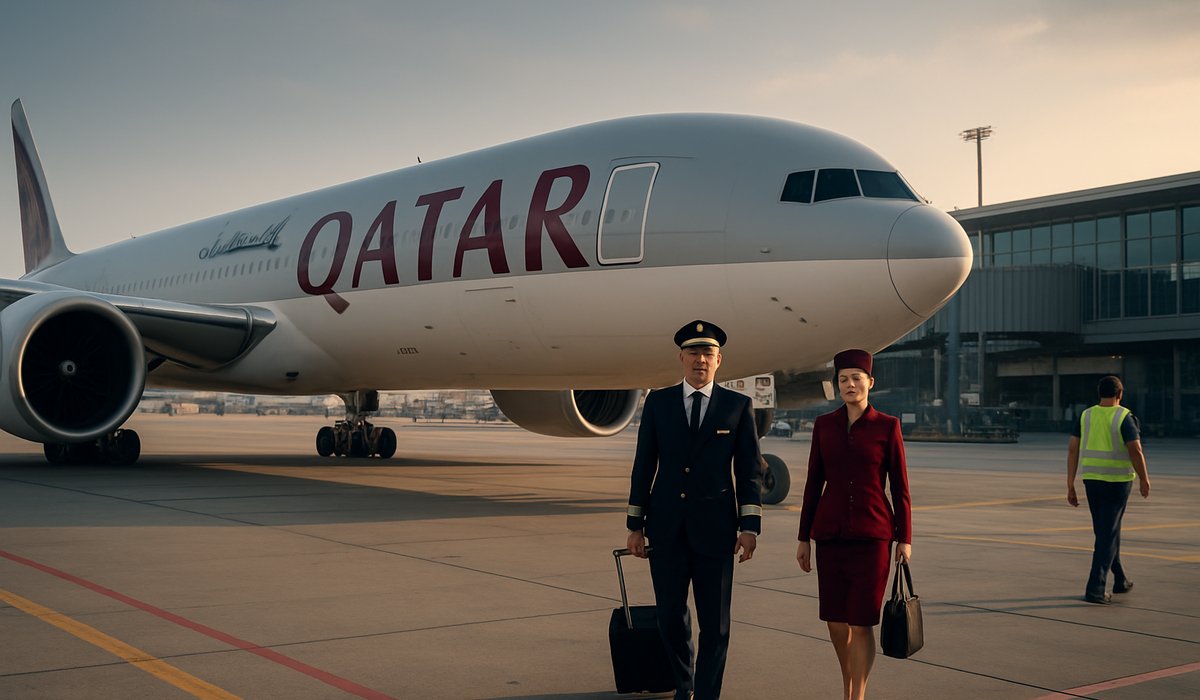
Image generated by AI
Qatar Airways Business Class on Boeing 777-300ER: What Premium Travelers Actually Pay in 2026
As luxury aviation commands record prices, the Middle Eastern carrier's flagship aircraft reveals the true cost of premium long-haul travel
Premium Pricing Reaches New Heights on Qatar's Fleet
Qatar Airways is commanding substantial premium fares for Business Class seats aboard its Boeing 777-300ER aircraft in 2026, underscoring the aviation industry's sustained pricing power in the luxury segment despite broader economic headwinds. The Doha-based carrier's long-haul Business Class offering—positioned as delivering what the airline describes as "the trip of your dreams"—reflects both the carrier's market positioning and evolving travel cost dynamics shaping the sector.
Industry Recognition Drives Premium Valuations
The pricing strategy aligns with Qatar Airways' dominant standing in global airline rankings. The carrier has secured the top position on Skytrax's World Airline Awards for nine consecutive years, a distinction that reinforces its market leverage in commanding elevated Business Class fares. This recognition extends across multiple rating categories, with the airline consistently ranking among the world's ten best Business Class providers—a credential that translates directly into pricing premium.
The Boeing 777-300ER, a wide-body aircraft optimized for ultra-long-haul operations, serves as Qatar's flagship platform for premium long-distance routes. The aircraft's configuration, featuring premium seating, enhanced cabin amenities, and refined service delivery, supports the carrier's ability to sustain premium pricing in an increasingly competitive marketplace.
Broader Industry Implications for Business Travelers
The sustained premium pricing observed on Qatar Airways reflects several structural factors reshaping aviation economics. Elevated jet fuel prices, driven by geopolitical tensions and supply chain disruptions, continue filtering through airline operational costs. Additionally, the business aviation segment has demonstrated resilience in absorbing fare increases, with corporate travel recovering robustly post-pandemic and demand for premium cabin experiences remaining robust among international business travelers.
Qatar Airways' pricing strategy also reflects competition dynamics within the Gulf carrier segment, where rivals like Emirates and Etihad maintain comparable premium positioning. The carrier's investment in fleet modernization, including newer long-haul aircraft and cabin product enhancement, justifies premium pricing relative to legacy carriers in other regions.
What This Means for Premium Travel in 2026
For business travelers evaluating long-haul options in 2026, Qatar Airways' Business Class fares reflect both the operational realities of modern aviation and the strong market position of carriers offering exceptional service standards. The pricing environment underscores that premium cabin travel remains a significant investment, with carriers leveraging brand recognition and product differentiation to maintain pricing discipline in an inflationary era.
FAQ: Understanding Premium Airline Pricing in 2026
Q: Why are business class airline tickets so expensive in 2026? A: Multiple factors drive premium pricing: elevated jet fuel prices stemming from geopolitical volatility, sustained demand from corporate travelers, premium cabin product investments, and carrier brand positioning all contribute to elevated Business Class fares globally.
Q: How does Qatar Airways' pricing compare to other premium carriers? A: Qatar Airways leverages its nine consecutive Skytrax top rankings to command premium pricing aligned with competitors like Emirates and Etihad, though pricing varies by specific route, advance booking, and seasonal demand.
Q: What should business travelers budget for long-haul Business Class in 2026? A: Fares vary significantly by route and booking window, but premium long-haul Business Class seats on flagship carriers typically command substantial premiums—often thousands of dollars—reflecting aircraft type, service standards, and carrier positioning.
Q: Is the Boeing 777-300ER worth the premium cost? A: The aircraft's long-range capability, cabin comfort features, and operational efficiency support higher fares, though value perception depends on individual traveler priorities and route-specific alternatives.
Q: How are aviation industry fuel costs affecting passenger ticket prices? A: Volatile jet fuel markets directly impact airline operating costs, with carriers passing increases to passengers through base fares and ancillary charges, particularly affecting premium cabin pricing.
Related Travel Guides
- Qatar Airways Network Expansion and Gulf Tourism Resilience Combats Travel Chaos and Airport Disruptions: Full Reopening Set to Mitigate Flight Cancellations Across Doha, Dubai, Riyadh and Muscat
- How the Global Premium Travel Boom is Driving Next-Generation Aircraft Deployment and Regional Tourism Growth in 2026
- Macron's Rafale Fighter Escort: Debunking the Viral Photo and France's Real Presidential Aircraft Strategy
Disclaimer
This article is for informational and educational purposes only. It does not constitute legal, financial, or professional advice. While we strive to provide accurate and up-to-date information, travel policies, regulations, and conditions change rapidly. Always verify information with official sources before making travel decisions. Nomad Lawyer makes no representations about the accuracy, reliability, completeness, or suitability of the information provided. Readers should consult qualified professionals for advice specific to their circumstances. The views expressed in this article are those of the author and do not necessarily reflect the views of Nomad Lawyer.
Preeti Gunjan
Contributor & Community Manager
A passionate traveller and community builder. Preeti helps grow the Nomad Lawyer community, fostering engagement and bringing the reader experience to life.
Learn more about our team →