
American Airlines Business Class on Boeing 787-9: What Premium Travel Really Costs in 2026
Breaking airline news and aviation industry updates for 2026.

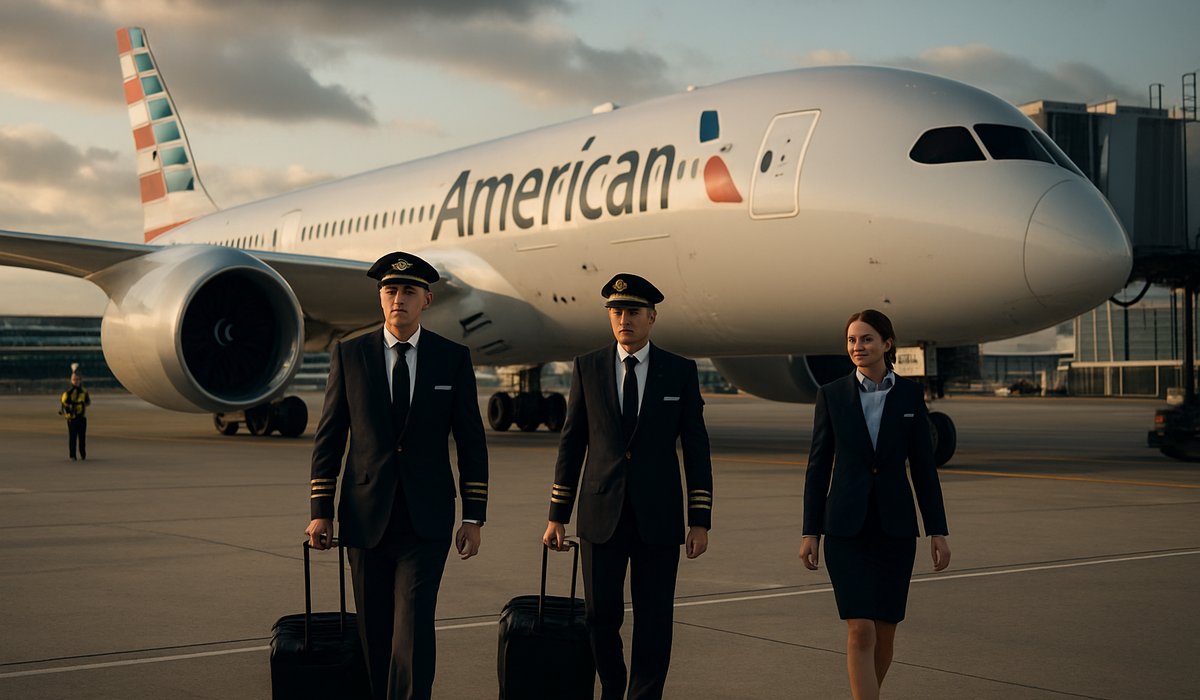
Image generated by AI
American Airlines Business Class on Boeing 787-9: What Premium Travel Really Costs in 2026
Dynamic pricing and seasonal demand reshape premium cabin fares as carriers navigate post-pandemic travel recovery
Premium Cabin Pricing Remains Volatile Amid Industry Shifts
American Airlines' business class offerings on its Boeing 787-9 Dreamliner fleet continue to command significant price variations across major international routes, reflecting broader shifts in aviation pricing strategies as carriers adjust to evolving travel demand patterns and operational costs.
Unlike economy fares governed by relatively predictable algorithms, premium cabin pricing operates within a far more complex framework. Business class tickets on American's widebody aircraft fluctuate substantially based on seasonal passenger volume, route-specific capacity constraints, competitive pressures, and fluctuating fuel surcharges—creating a dynamic pricing environment where identical routes can command vastly different fares week to week.
Understanding the Premium Pricing Framework
The cost of securing a business class seat on American Airlines' Boeing 787-9 depends heavily on multiple external factors beyond base ticket prices. Seasonal demand cycles significantly influence premium cabin revenue; peak winter months and summer vacation periods typically see elevated fares, while shoulder seasons offer relatively modest pricing windows. Route-specific capacity management also plays a decisive role, with heavily traveled transatlantic corridors experiencing steeper premium markups than less competitive routes.
Fuel costs, a persistent variable in airline economics, continue impacting overall pricing structures. Recent volatility in jet fuel prices has forced carriers to reassess premium cabin strategies, with some implementing fuel surcharges that directly affect final booking costs. Additionally, loyalty program dynamics and corporate travel agreements create pricing tiers that further fragment the business class market.
The Broader Aviation Industry Context
This pricing complexity reflects systemic challenges across the aviation sector. Post-pandemic recovery has intensified competition for premium leisure and business travelers, prompting carriers to employ increasingly sophisticated yield management systems. American Airlines, competing against global carriers on transatlantic and transpacific routes, must balance revenue maximization with market competitiveness.
The Boeing 787-9's superior fuel efficiency and enhanced passenger comfort features—including improved cabin pressure, humidity control, and larger windows—justify premium positioning but haven't insulated fares from market pressures. Industry analysts note that premium cabin capacity decisions now directly influence pricing power, making fleet deployment increasingly consequential for revenue strategies.
What Travelers Should Know
Passengers seeking business class travel should anticipate significant price variations rather than standardized fares. Booking windows, advance purchase timing, and flexibility with dates remain critical negotiating tools for securing optimal pricing on American's premium Dreamliner service.
FAQ: Business Class Pricing and Premium Aviation Travel
Q: How much does American Airlines business class typically cost on the 787-9? A: Pricing varies dramatically based on route, season, and demand. Transatlantic business fares range from approximately $5,000 to $15,000+ depending on these variables.
Q: Why do business class fares fluctuate so dramatically? A: Dynamic pricing algorithms adjust for seasonal demand, fuel costs, competitor pricing, aircraft capacity, and booking patterns—creating constant price adjustments.
Q: Does jet fuel pricing directly affect my business class ticket cost? A: Yes. Fuel surcharges and operational cost structures influence premium cabin revenue management and final ticket pricing.
Q: Can I secure better business class fares through airline loyalty programs? A: Corporate travel agreements, elite frequent flyer status, and advance booking often provide preferred rates, though availability remains limited on premium routes.
Q: How does the Boeing 787-9's efficiency impact ticket pricing? A: Better fuel efficiency improves margins but doesn't necessarily lower fares—carriers typically maintain premium pricing while improving profitability.
Related Travel Guides
Flight Delay Compensation Guide 2026
Understanding Airline Route Changes
Airport Security Process Updated (2026)
External Resources
Disclaimer
This article is for informational and educational purposes only. It does not constitute legal, financial, or professional advice. While we strive to provide accurate and up-to-date information, travel policies, regulations, and conditions change rapidly. Always verify information with official sources before making travel decisions. Nomad Lawyer makes no representations about the accuracy, reliability, completeness, or suitability of the information provided. Readers should consult qualified professionals for advice specific to their circumstances. The views expressed in this article are those of the author and do not necessarily reflect the views of Nomad Lawyer.
Preeti Gunjan
Contributor & Community Manager
A passionate traveller and community builder. Preeti helps grow the Nomad Lawyer community, fostering engagement and bringing the reader experience to life.
Learn more about our team →